Rare plant seeds, roots, stems, leaves flowers scientific research, biotechnology,

Zanthoxylum asiaticum seed

Zanthoxylum asiaticum seed

LATIN NAME: ZANTHOXYLUM ASIATICUM

COMMON NAME: Sichuan Pepper, Asian Prickly Ash

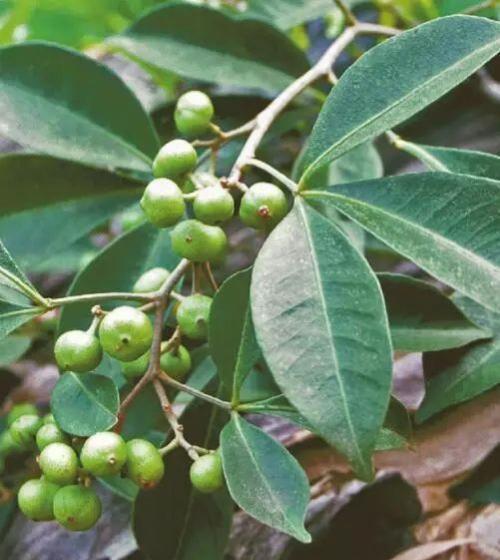
The Zanthoxylum asiaticum, or Sichuan pepper, is one of the most distinctive and useful of the citrus relatives, and its prickly stems, its compound, bright-green leaves and its small, red, aromatic seed pods which give the famous numbing flavour have made it a plant of the woodlands and the gardens across the regions of the East. It grows as a deciduous or semi-evergreen shrub or a small tree of the citrus family, reaching up to five metres or more, with the prickly, branching stems bearing alternate, compound, bright-green leaves with the many oval, aromatic leaflets, and bearing, in the spring, the small, yellow-green flowers in the clusters, followed by the small, red, aromatic seed pods which split open to reveal the black seeds. It is a species of the flowering shrub, native to the woodlands and the thickets of the East and the southeast Asia, while it has been cultivated for its aromatic seed pods, and it is known as the Sichuan pepper or the Asian prickly ash.

Scientific Research & Plant Biotechnology

The Sichuan pepper has a real and distinguished place in research. It has been studied in the chemistry and the food science, since the Zanthoxylum asiaticum is the source of the Sichuan pepper with its distinctive numbing flavour, and the researchers have examined the seed pods, their aromatic compounds and their composition, while the study of the spices and the flavour compounds has drawn attention in the international food and natural-products press. The plant has also been studied in the horticulture and the economic botany, since the Sichuan pepper is a popular spice and a useful shrub for the garden, and the researchers have examined its cultivation, its propagation and its value, while the study of the spice plants has been of continuing interest. The species has also been studied in the botany and the taxonomy, since it is a member of the citrus family and a relative of the other zanthoxylum, the prickly ashes and the citrus, and its relationships, its distribution and its many forms have been examined, while the small, red, aromatic seed pods of the Sichuan pepper have been of interest to the botanists and the cooks. For a spice of such distinction, the Zanthoxylum asiaticum has a rich and distinguished record of research.

Ecological & Economic Value & Wide Applications

To grow the Sichuan Pepper from seed, the Sichuan pepper is a deciduous shrub of the woodlands, bearing the prickly stems, the compound, bright-green leaves and the small, red, aromatic seed pods. Its small, yellow-green flowers feed the bees and the other pollinators, and its red seed pods are a food for the birds, while its prickly, branching habit gives a fine presence in the woodland garden and the shrub border. Its economic value is real: the Sichuan pepper is prized as a distinctive spice and a useful shrub for the garden, and its value has drawn attention in the international food and horticultural press, while the numbing, aromatic flavour and the easy cultivation have made it a favourite of the cooks and the gardeners, and the shrub is a fine addition to the woodland garden, the shrub border and the herb garden. To raise the Sichuan pepper, sow the seeds in pots of moist, open soil in a cool, bright place, keep them gently watered, and grow the little shrubs on in the sun.

sow the seeds in pots of moist, open soil in a cool, bright place, keep the young zanthoxylum gently watered, and grow the little shrubs on in the sun.


Zanthoxylum asiaticum (Asian Prickly Ash) Overview

Description Zanthoxylum asiaticum, commonly known as Asian Prickly Ash, is a small deciduous tree or shrub belonging to the Rutaceae family, native to East and Southeast Asia. This plant is characterized by its thorny stems, aromatic leaves, and small, yellowish-green flowers that bloom in the spring. The plant typically grows up to 2-5 meters in height, depending on the environmental conditions. Its leaves are compound, with several small leaflets, and the tree produces small fruits that turn reddish as they mature. These fruits contain seeds that are often used in traditional medicinal practices and culinary dishes.

Zanthoxylum asiaticum is closely related to other members of the Zanthoxylum genus, such as Sichuan peppercorns (Zanthoxylum piperitum), and shares many similar characteristics, including the distinctive numbing sensation caused by its seeds.

Ecological Role and Habitat This species is typically found in temperate and subtropical regions of East Asia, including China, Japan, and Korea. It thrives in well-drained soils, preferring areas with moderate rainfall and temperate climates. Zanthoxylum asiaticum is commonly found in forest margins, hillsides, and along riverbanks. The plant is well-suited for areas with some shade, although it can tolerate direct sunlight. Its thorny branches and aromatic leaves help to protect it from herbivores, while the plant provides food for various insects, birds, and other wildlife, especially during its fruiting season.

Uses and Benefits

  1. Culinary Use: The fruit and seeds of Zanthoxylum asiaticum are used in cooking, particularly in East and Southeast Asian cuisines. Much like Sichuan peppercorns, the seeds of Zanthoxylum asiaticum impart a unique numbing sensation to the palate, known as “mala,” which is a hallmark of Sichuan cuisine. These seeds are often used to add a spicy, peppery flavor to sauces, broths, and stir-fries, and are commonly found in spice blends and seasoning powders. The seeds are also used to flavor oil and in pickling mixtures.
  2. Medicinal Uses: Zanthoxylum asiaticum has a long history of use in traditional medicine. Its fruits, seeds, and bark are believed to have a variety of health benefits. In Chinese traditional medicine, it is used to treat ailments such as digestive issues, joint pain, and skin conditions. The plants seeds are considered to have anti-inflammatory and analgesic properties and are often included in herbal remedies to relieve pain and improve circulation. The bark and leaves have been used in some cultures for their purported ability to treat fevers and reduce swelling.
  3. Aromatic and Fragrant: Like other species in the Zanthoxylum genus, Zanthoxylum asiaticum contains aromatic oils that contribute to its distinctive spicy fragrance. These essential oils are sometimes used in traditional medicine, aromatherapy, and even in making perfumes. The plant’s pleasant fragrance also makes it useful as an ornamental shrub or tree in gardens, especially where it can be appreciated for both its visual and aromatic qualities.
  4. Cultural Significance: In some regions, Zanthoxylum asiaticum is also valued for its cultural importance. The plant is used in rituals and ceremonies, where its thorns symbolize protection, and its numbing properties are associated with warding off negative energy. The seeds are often seen as a symbol of resilience and strength in certain folk traditions.
  5. Ornamental Use: Due to its attractive foliage and thorny structure, Zanthoxylum asiaticum is sometimes used in landscaping as an ornamental plant. Its ability to grow in partial shade and its unique characteristics, including its spicy aroma and striking fruit, make it an interesting choice for gardens and parks. The tree’s small size and its colorful fruit also make it an appealing option for smaller landscapes.

Conclusion Zanthoxylum asiaticum, or Asian Prickly Ash, is a versatile plant with multiple uses in culinary, medicinal, and ornamental applications. Its unique flavor and numbing properties make it an important ingredient in traditional Asian cuisine, while its medicinal benefits continue to be valued in folk medicine. Additionally, its aromatic qualities and cultural significance further enhance its value. As an ecological contributor, it plays a role in providing food for wildlife and maintaining the balance of local ecosystems. Whether for culinary, medicinal, or ornamental purposes, Zanthoxylum asiaticum is a valuable and multifunctional plant in its native regions.

Prev:
Next: