


Zanthoxylum acanthopodium Seeds | Sichuan Pepper
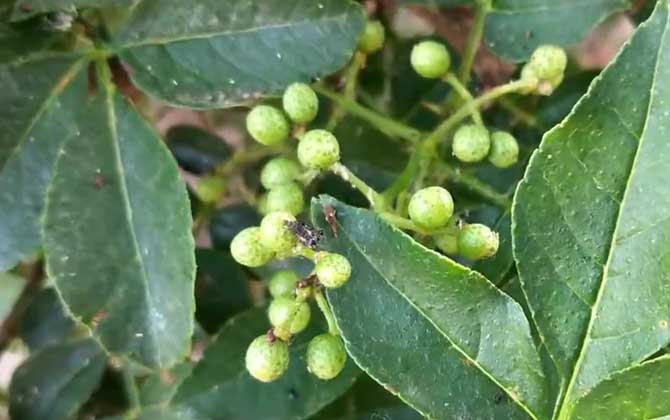
LATIN NAME: Zanthoxylum acanthopodium
COMMON NAME: Sichuan Pepper, Prickly Ash
Plant Profile
Timur is a thorny shrub of the Himalayan foothills, grown for the numbing red husks that go into Nepali and Indian spice blends. It reaches two to five metres on open slopes and forest edges between roughly 1,500 and 2,800 metres, from Nepal and Bhutan through northeast India to Yunnan, Myanmar and Sumatra. The stems are armed with broad-based prickles, and the pinnate leaves carry five to nine glossy leaflets that smell of lemon when crushed. Small yellow-green flowers appear in loose clusters in spring, and on female plants they are followed by red-brown capsules the size of peppercorns that split to show a single jet-black seed. The husk around that seed is the spice. It is sold dried, whole, and is the timur of Nepali achar and the ‘wrong pepper’ that turns up in packets labelled Sichuan pepper.
Science & Biotechnology
Zanthoxylum acanthopodium is one of some 250 species of prickly ash, and like most of them it is dioecious: male and female flowers sit on separate plants, so only the female ones ever carry fruit. Pollination is done by small flies and bees working the inconspicuous greenish flowers, and a lone plant in a garden will flower for years without setting a single peppercorn. The numbing sensation comes from a group of unsaturated amides, the sanshools, which lock onto two-pore potassium channels in the membranes of sensory nerves and set off a buzzing, tingling response quite separate from the burn of chilli. The profile differs between species, which is why Nepali timur tastes more resinous and less electric than the Chinese product. The seed coat is hard and water-resistant, a trait that lets it sit in the soil for a year or more before germinating. Wild stands in eastern Nepal are now picked hard for the spice trade, and yields in any one year depend heavily on how many female plants a collector can reach.
Uses & Benefits
The dried husks go into pickles, chutneys, lentil dishes and, increasingly, into the sort of restaurant cooking that has discovered timur as a local alternative to Sichuan pepper. They are used whole and fished out, or ground and added late, since the aroma is volatile and the numbing quality fades with long cooking. Beyond the kitchen the plant is a serviceable hedge, dense, thorny and hard to push through, and on stony ground it holds soil on terrace edges. The wood is small and tough and is used for tool handles, and the bark and fruit have a long record in local medicine for toothache and stomach complaints, though the evidence for most of those uses is thin. The leaves are browsed by goats when little else is available. For a grower the crop is slow to arrive, because seedlings may take four or five years to flower and the sex is unknown until then.
Growing from Seed
Clean the seed of its black coat and sow fresh if you can; stored seed loses vigour quickly. Sow in autumn in a gritty mix and leave the pots outside through winter, or stratify for ten weeks at four degrees, then move to 20 degrees. Germination is uneven, spread over two to four months, and the seedlings are slow for the first year. Grow them on in deep pots, since the taproot is long and resents being coiled, and pot them up rather than planting out until they are 30 cm tall. Give them sun, sharp drainage and a warm position against a wall in cool districts, because late frost cuts back young growth. Plant at least two seedlings and keep both until they flower, so that a female has a male nearby. Prune only to shape, in late winter, and wear gloves: the prickles are broad and go in deep.
Our Take
A Himalayan pepper with a resinous, citrus edge and a serious set of thorns. Plant three seedlings and hope for a female.
Related Reading
Gardeners who grow Sichuan Pepper often pair it with these related subjects: