


Acacia stenophylla Seeds | River Cooba
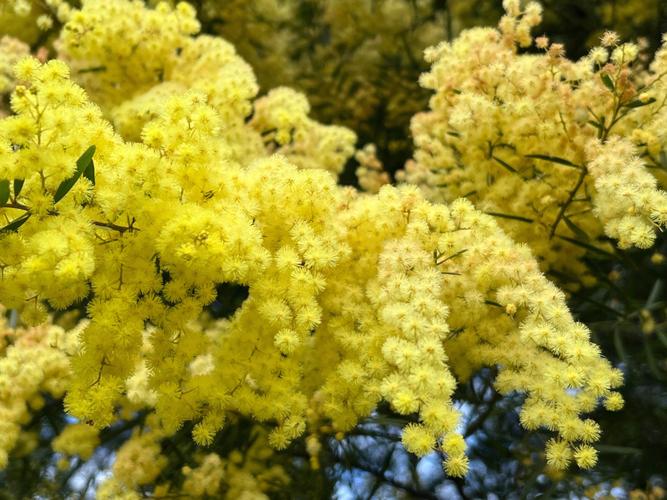
LATIN NAME: Acacia stenophylla
COMMON NAME: River Cooba, Shoestring Wattle
Plant Profile
River cooba is a graceful wattle of the inland rivers of Australia, growing four to ten metres with a short trunk, dark fibrous bark and long, weeping branches that hang almost to the ground. Its phyllodes are extraordinary: twenty to forty centimetres long and only a few millimetres wide, like green shoelaces, and they hang vertically so that the midday sun barely touches them. In spring it produces pale cream, globular flower heads along the branches, followed by narrow, curled pods. It grows on the floodplains of the Murray, Darling and other inland rivers, where it is flooded for weeks at a time and then baked dry for months, and it is one of the few trees that tolerates both. Its shade is valued by stock, and its timber is hard and dark.
Science & Biotechnology
Acacia stenophylla is a phyllodinous wattle, meaning its leaves are flattened leaf stalks, and the vertical hanging of those phyllodes is a photoprotective adaptation that reduces the leaf area exposed to the midday sun. The species is diploid and belongs to the group of Australian acacias that dominate the arid zone, a group that has been studied extensively for its nitrogen fixation and its response to flooding. Its roots reach deep into the water table, which is why it stays green on the driest floodplain, and it can survive both prolonged inundation and years of drought. The seed is hard-coated and persists in the soil for years, germinating after flood or fire. In Australia it is a useful species for salinity control and riverbank stabilisation, and it is not considered invasive outside its range.
Uses & Benefits
The tree is planted for shade, for windbreaks and for stabilising riverbanks and saline land, and its foliage is browsed by stock in dry times, though it is not a primary fodder. Its timber is hard, dark and durable, used for small turnery and for fence posts, and the bark has been used for tanning and for fibre. In the garden it makes a graceful weeping specimen for a dry or periodically wet site, and its long phyllodes move in the wind. It is also a useful shade tree for a paddock, since its canopy is light and grass grows beneath it. It is not a tree for a small garden or for a site that stays wet but never floods, and it needs full sun.
Growing from Seed
Scarify the seed with hot water and soak overnight, then sow one centimetre deep in a sandy mix at twenty-five degrees. Germination takes one to three weeks. The seedling develops a deep taproot quickly, so use a deep tube and plant out young, before the root coils. Choose a site in full sun with deep soil, and water through the first two summers; after that the tree looks after itself. It tolerates clay, salt and seasonal flooding, but not permanent waterlogging. Stake for the first year in windy sites. Prune only to remove lower branches, and do not cut into old wood, which does not reshoot freely.
Our Take
An Australian wattle with shoelace leaves and a weeping habit, built for flood and then drought. Give it room and deep soil.
Related Reading
Readers interested in River Cooba frequently explore these as well: