


Diplotaxis erucoides Seeds | White Wall Rocket
LATIN NAME: Diplotaxis erucoides
COMMON NAME: White Wall Rocket
Plant Profile
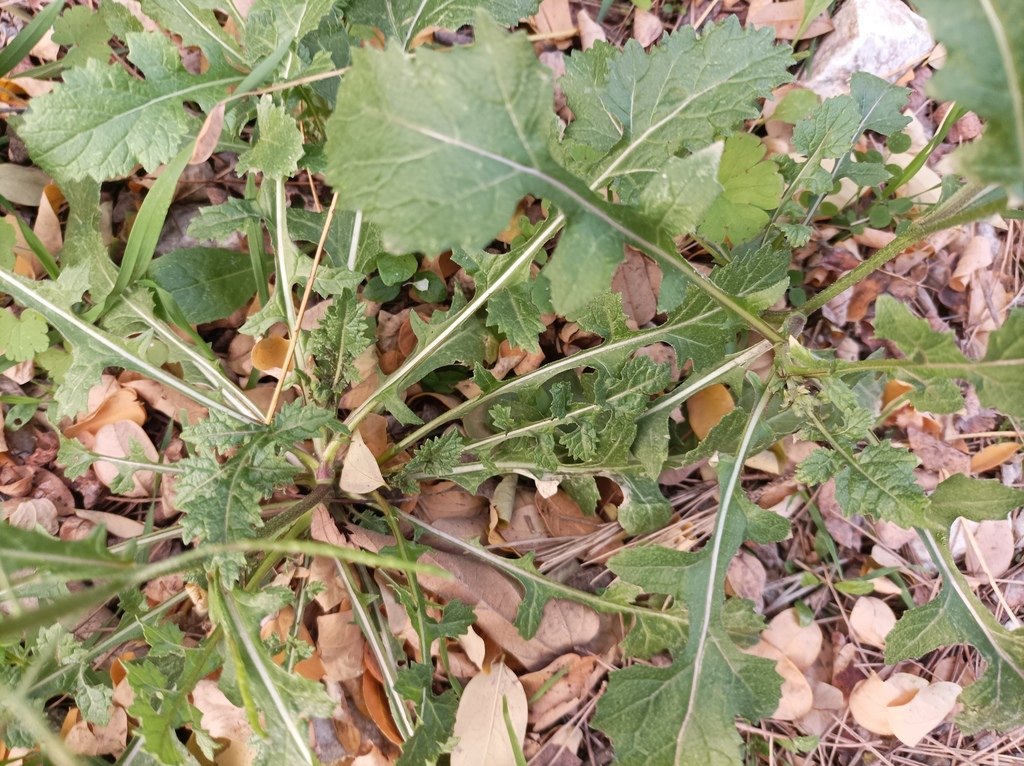
White wall rocket is a weed by trade and a spectacle by accident. Diplotaxis erucoides is an erect annual of twenty to sixty centimetres from the western Mediterranean, sparsely hairy, with pinnatisect leaves up to fifteen centimetres long, and it covers fallow fields in sheets of white for weeks in autumn and spring.
The flowers are the classic crucifer four: white petals of six to eight millimetres, four sepals, six stamens and a green stigma on a short style. They open in racemes that lengthen as the plant ages, so a single stem carries buds, open flowers and young fruit all at once.
The fruit is a siliqua of twenty-five to thirty-three millimetres holding forty to eighty seeds arranged in two parallel rows, and that two-rowed arrangement is the meaning of the genus name. Diplotaxis means double row, which is a reminder that generic names are often field descriptions in Greek clothing.
The epithet erucoides means rocket-like, a comparison with Eruca, the salad rocket, and it is a fair one: the leaves have the same peppery warmth, milder and rounder, and in the western Mediterranean the plant is gathered and eaten exactly as its better-known relative is.
Science & Biotechnology
Its native range is the western Mediterranean, but the plant has travelled with agriculture wherever the climate allows: the Atlantic islands, southern England as a casual, Ethiopia and the Near East, Argentina, and California, where it is established in the coastal districts. Movement along grain routes is the ordinary explanation.
Observation records show two clean peaks, one in March and a broader one from October to December, which is the Mediterranean pattern of autumn and spring germination interrupted by summer drought. In its home range the plant can be found in flower in almost any month where rain has fallen recently.
The genus matters beyond botany. Diplotaxis species cross with Brassica and have been used as sources of drought tolerance and disease resistance in oilseed breeding, and the genetics of the group have been worked over for that reason. A common weed with a place in the crop’s gene pool is more than a weed.
Uses & Benefits
The young leaves are eaten raw in salads across its native range, with the same pungency as rocket and a softer, rounder flavour. Older leaves turn acrid and are best cooked, and the flowers are edible as decoration. The plant carries a food rating in the ethnobotanical literature that reflects real, continuing use.
In the garden it can be treated as a salad crop, sown in a row and cut young, but its real value is ecological. As a winter annual it covers bare soil, flowers when little else does, and supports the early bees of the Mediterranean spring; in a British garden it behaves as a hardy annual and flowers from early summer.
It is a weed of arable ground in southern England and a frequent casual further north, so anyone sowing it near farmland should deadhead it. There is no toxicity record, and the plant is not on any invasive list in Europe, though its colonising habit is not in doubt. Near kin on the list are Diplotaxis harra, Lunaria annua and Aurinia saxatilis, all Brassicaceae.
Growing from Seed
Sow in autumn in mild climates or in early spring in cold ones, directly where the plants are to flower. The seed germinates within a week in warm, damp soil, and the seedlings are fast, making a rosette of divided leaves before the stem rises.
Thin to twenty centimetres and water only in dry spells; the plant is built for Mediterranean drought and resents rich, wet ground, where it grows soft and falls over. A single sowing on a patch of poor soil will flower for weeks and ripen a heavy crop of seed.
If you want it back next year, let the first pods ripen and cut the plants down before the last ones split. The seed does not persist long in the soil, so a colony needs one plant allowed to complete its cycle each year rather than a standing population.
Our Take
Wall rocket is a plant that has been misjudged by both sides: gardeners dismiss it as a weed and foragers overlook it in favour of the scarcer things. In reality it is a free salad crop, a reliable bee plant and one of the most generous flowerers in the Mediterranean flora.
Sow it where you would otherwise grow nothing, between the wall and the path, in the dry corner behind the shed. It will cover the ground, feed the bees and give you a bunch of peppery leaves every fortnight, and ask for nothing in return but to be allowed to seed once.
Related Reading
Readers interested in White Wall Rocket frequently explore these as well: