


Libanotis seseloides Seeds | Seseli-like Libanotis
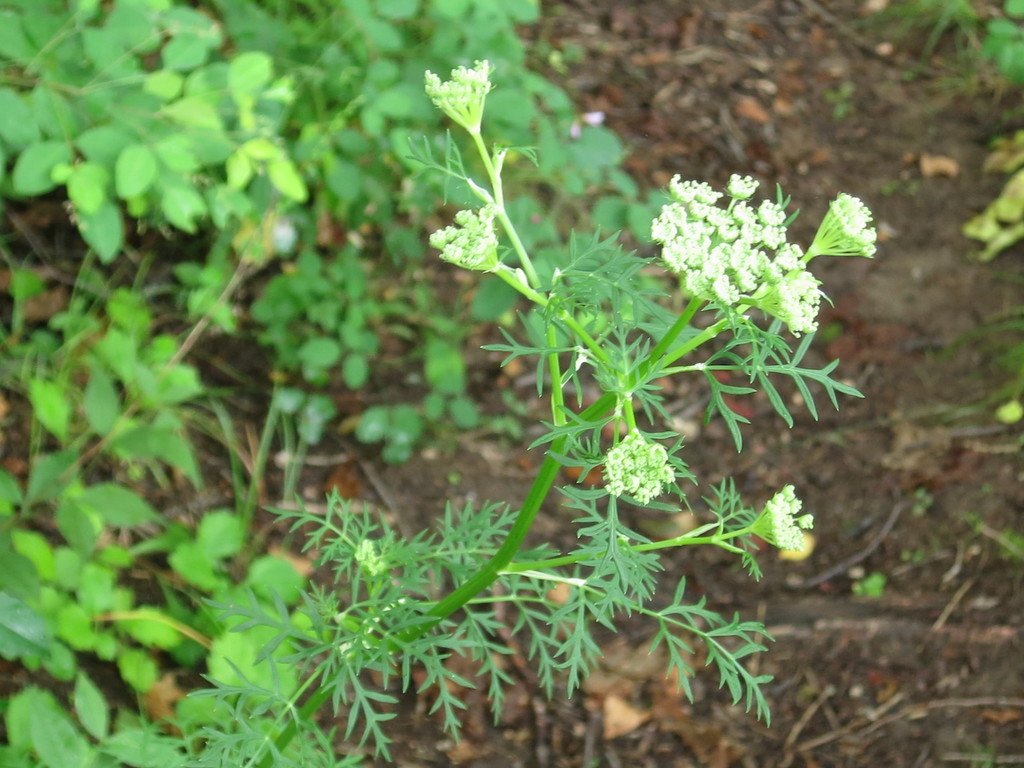
LATIN NAME: Libanotis seseloides
COMMON NAME: Seseli-like Libanotis
Plant Profile
Libanotis seseloides is a plant with a filing problem. Generations of floras placed it in Libanotis, the resin-scented umbellifers, while modern treatments move it into Seseli, and both names still appear in databases and on seed lists for the same stiff steppe plant.
It grows forty to a hundred centimetres tall from a woody crown, with finely divided leaves cut into narrow segments that give the plant a dry, threadlike texture. The stems branch near the top into a flat-topped head of small white florets, backed by a ruff of narrow bracts that stays visible under the umbel.
Flowering runs through July and August on the meadow steppes, dry slopes and forest edges of a huge northern range: Buryatia and Chita, the Amur and Primorye, Mongolia, Korea, and the northern Chinese provinces from Heilongjiang and Inner Mongolia down to Gansu, Ningxia, Hebei, Shandong and Jiangsu.
The two names describe the plant from different angles. Libanotis comes from the Greek word for frankincense, a nod to the resinous smell of crushed fruits; seseloides means resembling Seseli, the name Dioscorides used for a medicinal umbellifer of the Mediterranean, which this plant is not.
Science & Biotechnology
Crush a ripe fruit and the reason for the frankincense comparison is obvious. The oil tubes along the fruit carry a monoterpene-rich essential oil, the standard chemistry of the family’s aromatic members, and the composition varies enough between populations that chemists have used it to argue about relationships within the group.
The generic argument turns on small structures: the shape of the bracts and bracteoles, the presence of teeth on the calyx, the number and position of the oil tubes in the fruit, and the way the styles bend as the seed ripens. Molecular work has since shown that the old Libanotis sits inside Seseli rather than beside it, so most authorities now use one genus for both.
Reproduction is the family’s standard arrangement, and efficient with it. Protandrous flowers open male first, the umbels present a flat platform to beetles, flies and small bees, and each fruit carries two seeds equipped with ribs and oil tubes but no wings, so dispersal is by gravity, wind-tumbling and the occasional passing animal rather than flight.
Uses & Benefits
In the folk practice of northeastern China the dried root has been gathered under the name yanfeng, in the broad round of umbellifer drugs used for coughs and colds, usually in compound decoctions. The plant’s official place is minor, and modern pharmacy pays it little attention.
In the garden it belongs to the dry-steppe school of planting: fine texture, upright posture, white umbels that read as a haze rather than a statement, and a constitution that shrugs off drought, wind and thin soil. It pairs naturally with grasses and late-flowering perennials that want the same lean conditions.
The insect value is out of proportion to the plant’s modest appearance. Flat umbels in midsummer are a service station for parasitoid wasps, hoverflies and pollen beetles, and a stand left to seed carries its structure into autumn, when the dried ribs catch low light and the stems stay upright through winter weather. The rest of the Apiaceae here runs to Cuminum cyminum, Carum carvi and Ammi visnaga.
Growing from Seed
Treat it like any northern umbellifer. Seed needs a period of cold and moisture, so sow in autumn outdoors or stratify for four to six weeks in damp sand at refrigerator temperature, then sow shallowly, three to five millimetres, and keep the medium moist but never wet.
The plant makes a taproot and resents disturbance, so sow where it is to grow or start it in a deep container. The first season produces a leafy rosette and very little else; flowering comes in the second year and continues for several seasons on established crowns, which also self-sow lightly on open ground nearby.
Site it in full sun on well-drained, lean soil and give it nothing else. Rich ground and summer irrigation produce floppy stems and a shorter life, while the dry, stony conditions of its native steppe keep the plant compact, long-lived and upright without any staking at all.
Our Take
The taxonomists have moved this plant back and forth between two genera for two hundred years and the plant has ignored all of it, flowering on the same dry slopes under either label. For gardeners the argument matters only on the day the seed order is written.
Sow in autumn or chill the seed first, put it in full sun on lean ground, and leave it alone. The reward is a haze of white in midsummer, an insect population worth watching, and dried stems that hold their shape into the new year.
Related Reading
If Seseli-like Libanotis appeals to you, these related plants are worth a look: