


Carum carvi Seeds | Caraway
LATIN NAME: Carum carvi
COMMON NAME: Caraway
Plant Profile
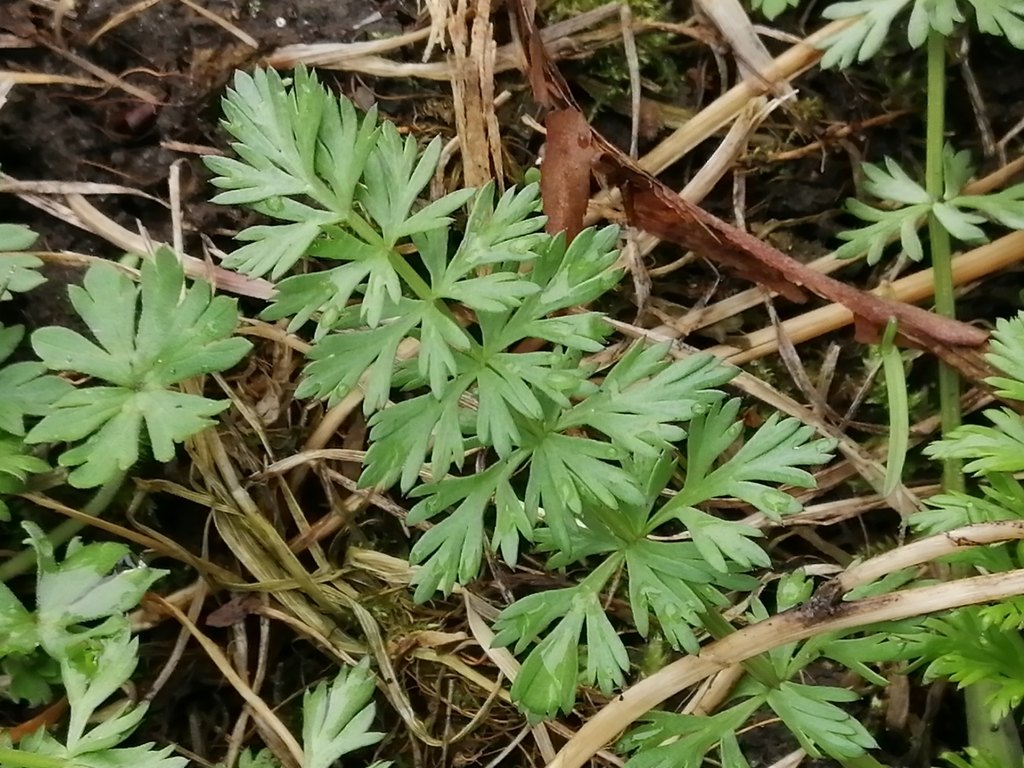
Caraway is a biennial of the carrot family, 30 to 60 cm in flower, with feathery leaves cut into thread-like segments on stems of 20 to 30 cm. The first year it makes a flat rosette and nothing else. The second year it sends up hollow stems, flowers in June and July, sets fruit and dies, which is the whole cycle and the source of most of the disappointment it causes.
The flowers are small, white or faintly pink, in compound umbels of five to sixteen unequal rays, each ray 1 to 6 cm long. The umbel is flat-topped, as umbels are, and it is visited by the usual short-tongued flies and beetles that service the family. There is nothing ornamental about it, but it is busy with insects for a fortnight.
What gardeners call seed is a fruit. Each one is a smooth, crescent-shaped achene about 3 mm long, laterally compressed, with five pale ridges along its back and a smell that is unmistakable when crushed. Break one open and the oil is in the channels between the ridges.
Science & Biotechnology
Ground caraway yields up to 7.5 percent volatile oil, and most of that is S-carvone, the compound responsible for the anise-like smell and for the taste that divides people into two camps. The fixed oil, about 15 percent, is mostly oleic, linoleic, petroselinic and palmitic acid. Carvone is also the main compound in spearmint oil, so the two smell related without tasting alike.
The name is a tangle. Caraway comes through Latin carum from Greek karon, which meant cumin, and the Sanskrit karavi has been translated as both caraway and fennel depending on who was translating. English use of the word is recorded from about 1440, possibly by way of Arabic. The plant has been called cumin by people who meant caraway for most of its written history.
Dioscorides mentions it in De Materia Medica as a herb and a tonic, Apicius uses it in Roman recipes, and the Arab world knew it as karawiya and grew it in Morocco. It has been in cultivation so long that the wild range, from Europe through western Asia to North Africa, tells you very little about where it started.
Uses & Benefits
The fruit goes whole into rye bread, and seeded rye without caraway is a different bread. It is the flavouring in aquavit and in kummel, it turns up in Irish soda bread and in casseroles, and the leaves can be used like parsley in salads and soups, though they are coarser and stronger. The root is eaten as a winter vegetable in parts of central Europe, boiled like parsnip.
In the garden it is a useful insectary plant: the second-year umbels draw in hoverflies and parasitic wasps at exactly the moment aphids build up on the brassicas, and a row left to flower beside the vegetables does more for pest control than most bought remedies. It also brings in the beetles that pollinate the orchard.
The catch is that it seeds itself with enthusiasm. Once a plant has flowered in the vegetable garden you will have caraway in that bed for years, and the seedlings are hard to tell from carrot until they are big enough to smell. That is either a supply or a weed, depending on how much rye bread you bake. Apiaceae is well covered here, with Ammi visnaga, Orlaya grandiflora and Bupleurum rotundifolium alongside.
Growing from Seed
Sow in late summer or early autumn for flowering the following summer, or in early spring for flowering the year after. The seed needs cold to break dormancy, so an autumn sowing is more reliable; spring-sown seed often sits until the next winter and then bolts, which confuses people who expected flowers in July.
Sow 5 mm deep in rows 30 cm apart, thin to 20 cm, and keep the ground clear of weeds in the rosette year. It prefers sun and a well-drained soil with organic matter; in warm climates it is grown as a winter annual, in temperate ones as a summer annual or a biennial. It does not transplant well because of the taproot.
Cut the umbels when the first fruits turn brown, before they shatter, and finish them on a sheet in the sun. A single plant gives a surprising amount, and a metre of row is more than a household uses in a year. Store the fruit whole in a jar and grind it as needed; ground caraway loses its smell within a few months.
Our Take
It is worth growing for the smell alone, which is one of the good ones, and for the way a row of it changes the insect population of a vegetable garden. But it demands patience: a whole year of flat green rosette before there is anything to show, and no flower at all if you sow in the wrong season.
Grow it once, let it seed, and then decide where you want it, because it will decide for you otherwise. In a herb bed it is a genuine perennial supply; in a rotation it is a nuisance. Either way, the fresh fruit is better than anything in a jar on a supermarket shelf, and that is the argument.
Related Reading
Continue exploring with these related plants: