


Iresine Seeds | Bloodleaf
LATIN NAME: Iresine
COMMON NAME: Bloodleaf
Plant Profile
Iresine is a genus of 20 to 25 species in the Amaranthaceae, all native to the American tropics, and the garden plant is usually Iresine herbstii, a soft-stemmed subshrub 40 to 80 cm tall with opposite, rounded leaves that are deeply notched at the tip.
The leaves are the point. They are a deep ruby, beetroot or purple, often with lighter veins in pink or cream, and the colour is strongest in full sun and in a warm season. In shade the plant turns green and loses the reason for growing it, so it is not a plant for a dark corner.
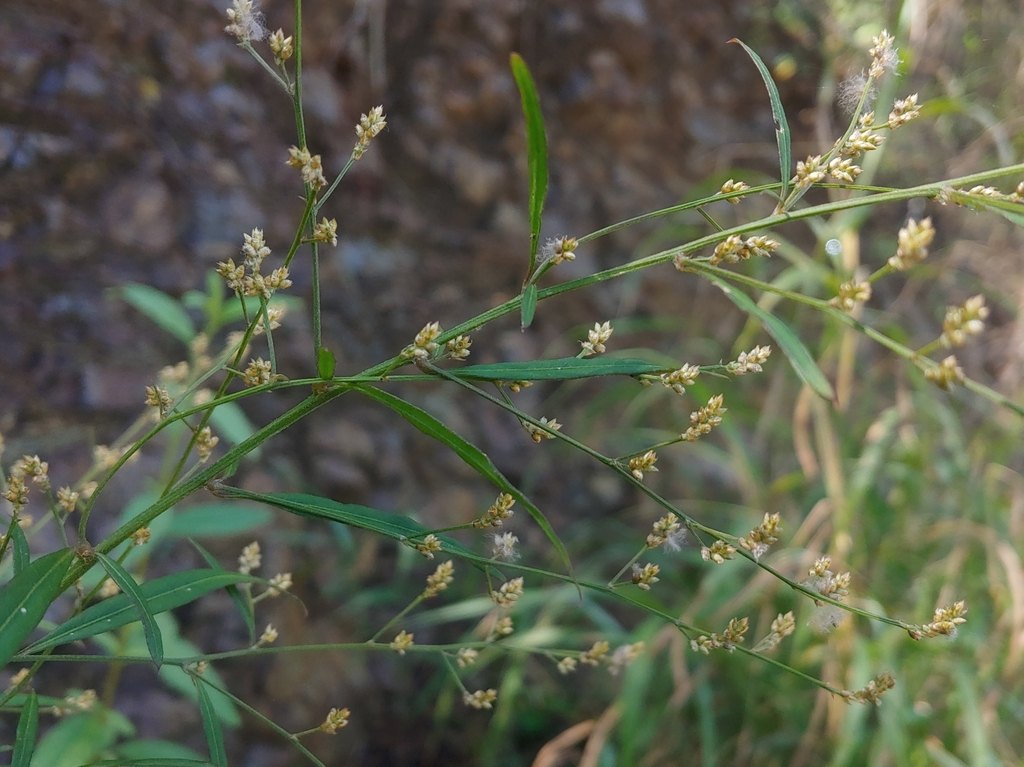
The flowers are small, greenish and insignificant, produced in spikes at the ends of the stems, and most growers pinch them off because flowering makes the plant leggy. The species is a perennial in the tropics and a summer bedding plant elsewhere, and it ranks among the few foliage plants that will grow in a hot, sunny border.
The species is Iresine herbstii, described from Brazil in the nineteenth century, and it has been grown in European conservatories since the 1860s, when it was valued for the same reason it is valued now: it holds a dark colour in full sun. Amaranthaceae is well covered here, with Halogeton arachnoideus, Atriplex hortensis and Salsola tragus alongside.
Science & Biotechnology
The red and purple colour is produced by betalains, the pigment group found only in the Caryophyllales and never alongside anthocyanins. That is a useful botanical rule: if a plant has betalains, it cannot have anthocyanins, and the two have never been found in the same species.
The genus name comes from the Greek erios, meaning woolly, and refers to the hairs on the flowers, which are a feature of the genus. The family Amaranthaceae is characterised by opposite leaves and by small, often wind-pollinated flowers, and it includes amaranth, quinoa and beet as well as this ornamental.
The colour intensity is light-dependent, like the colour of many betalain-containing plants. A plant grown in shade produces less pigment and turns green, which is a protective response: the pigment is expensive to make and is only worth producing when the light is strong enough to require protection from UV.
Uses & Benefits
It is used for foliage colour in bedding schemes, containers and tropical plantings, where its dark leaves contrast with silver, lime and orange. It combines well with cannas, coleus and dahlias, and it ranks among the few plants that can hold a dark colour in full sun without scorching.
The cultivar Purple Lady is a tall form with deep purple leaves and pink veins, and it is grown both as a bedding plant and as a house plant. Other selections include forms with almost black leaves and forms with cream variegation, which are less vigorous and more tender.
In its native range some species are used as additives to ayahuasca, the hallucinogenic brew of the Amazon, and others are used medicinally for wounds and for fever. The garden species is not used for either, and it is not edible in any quantity.
In a cold climate it is grown as a summer bedding plant or a house plant, and it ranks among the few foliage plants that will take the heat of a south-facing patio without scorching. It is not frost-hardy, and a single cold night will blacken the leaves.
Growing from Seed
Under cover eight to ten weeks before the last frost, at 21 to 24 °C, on the surface and only just covered, because the seed needs light. Germination is quick, ten days or so. The seed is fine and the seedlings are small and slow at first.
Prick out into 7 cm pots and grow on at 18 to 20 °C in bright light, which is essential for colour. Pinch once to encourage branching. Set them out 30 cm apart once the frost has gone, in full sun.
Water regularly and feed every two weeks; the plant is hungry and thirsty compared with most bedding plants. Pinch off the flowers as they appear. In a cold climate, take cuttings in late summer and overwinter the stock at 15 °C, since the plant is not frost-hardy and seed must be bought fresh each year. Cuttings root in water in ten days at 20 °C, and a plant brought indoors in autumn will supply material all winter.
Our Take
Iresine is a plant for people who want dark red foliage without waiting for a maple. It is easy from seed, fast to grow, and it holds its colour in full sun, which few dark-leaved plants do. Grow it in a container or at the front of a hot border, and combine it with silver and lime. Pinch it back, water it well, and it will give you beetroot-coloured leaves until the frost.
Related Reading
Continue exploring with these related plants: