


Sedum Seeds | Stonecrop
LATIN NAME: Sedum
COMMON NAME: Stonecrop
Plant Profile
Sedum is a large genus of about four hundred species of fleshy-leaved perennials and shrubs in the Crassulaceae, native to the temperate and subtropical regions of the northern hemisphere. It has been divided repeatedly, and many of the garden plants called sedums are now placed in Hylotelephium, Phedimus or Petrosedum.
The name comes from the Latin sedere, to sit, which refers to the way the plants sit on rocks and walls. The English name stonecrop says the same thing. It ranks among the oldest garden names in the language, and it has survived every change in the taxonomy. That is more than the genus has managed.
The leaves are thick and water-storing, and they vary from tiny and cylindrical in the wall species to broad and flat in the border kinds. The flowers are star-shaped, five-petalled and borne in flat or rounded heads, usually in pink, white or yellow. The autumn kinds are the ones most gardeners know.
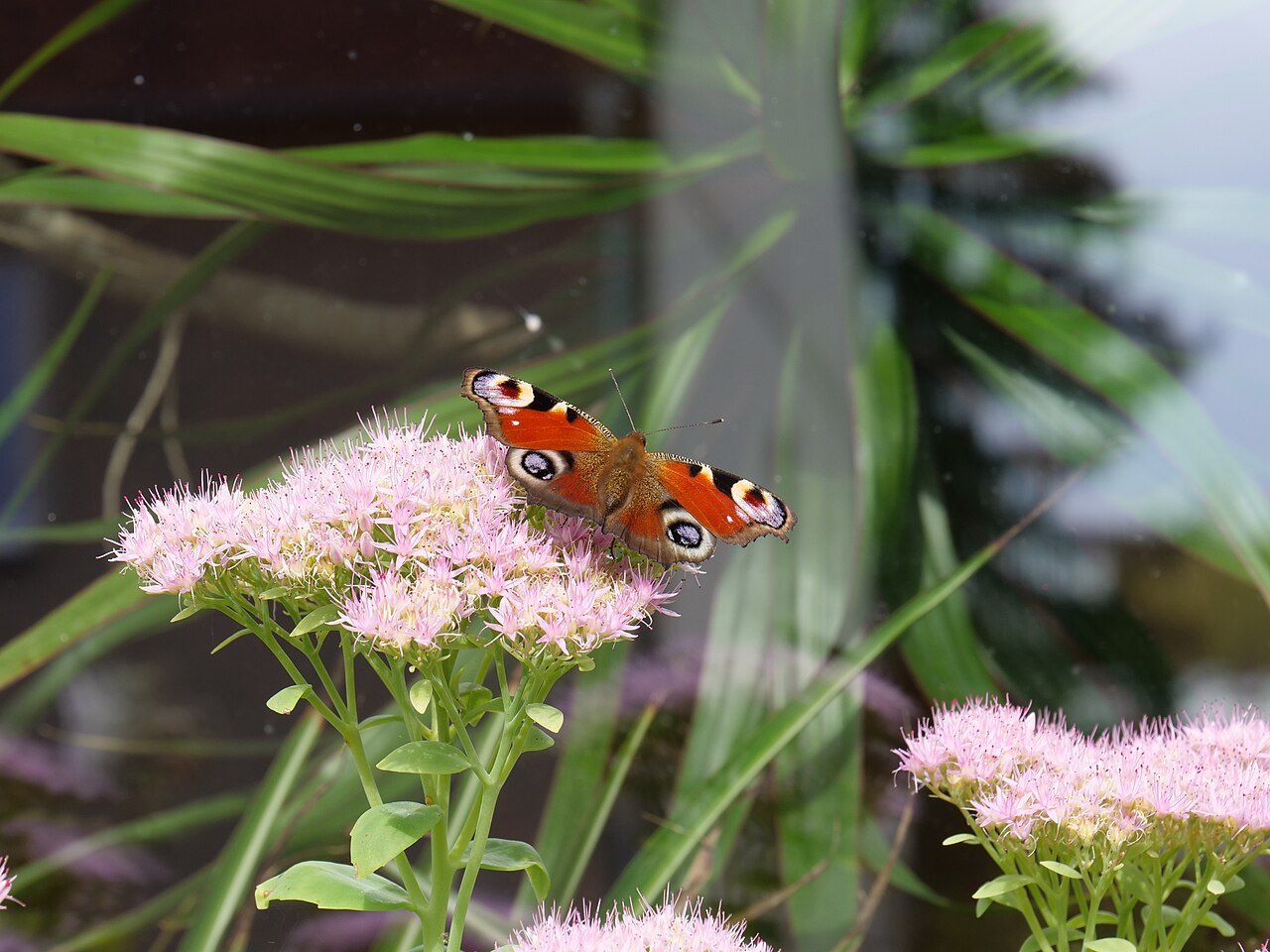
The showiest of the border sedums is the one long grown as Sedum spectabile, now Hylotelephium spectabile, a plant of rocky ground in China and Korea. It was described from cultivated material and its wild range was worked out later, which is common for plants that reached Europe early. It reached Kew in the nineteenth century and spread from there. The rest of the Crassulaceae here runs to Sedum aizoon, Sedum forsterianum and Sedum spurium.
Science & Biotechnology
All sedums use crassulacean acid metabolism to some degree, and the pathway is one of the reasons the family dominates dry habitats. Stomata open at night, carbon dioxide is stored as malic acid, and the acid is released by day behind closed stomata. It is a way of having photosynthesis without losing water. The chemistry was worked out in the twentieth century.
The autumn-flowering species are important nectar plants, because they open when the bee season is nearly over and the colonies are building winter stores. A clump of Hylotelephium in September will carry dozens of bees, wasps and butterflies. That is its main ecological value in a garden. It is also the reason to leave the stems standing.
The genus has been split on the basis of chromosome number, flower shape and, more recently, DNA. Hylotelephium has a distinctive four-parted flower, Phedimus has a different chromosome count, and Petrosedum is the group of low, yellow-flowered European species. The old name persists in the trade because it sells. That is a sound commercial reason and a poor botanical one.
Uses & Benefits
Sedums are used on green roofs, in rock gardens, in troughs and at the front of a dry border, where their tolerance of drought and thin soil is unmatched. They are also good in containers, where they can be left for a fortnight without water. Few plants are so forgiving. That is a quality worth more than a flower.
The autumn species are used for late colour and for cut flowers, and the dried heads are left standing for winter structure. Some of the low species are used as groundcover on banks and between paving, where they knit quickly and suppress weeds. Others are simply weeds. The genus has both kinds, and the line is thin.
There is a limited food use in Asia, where the young shoots of some species are eaten as a vegetable, and a limited medicinal use as a cooling poultice for burns. Neither is important in the West. The genus is grown for ornament, and it earns its place there. The rest is history, and the history is long.
Growing from Seed
Sow the dust-fine seed on the surface of a gritty mix in spring, and keep it barely moist. Germination is quick in warmth and the seedlings are small but sturdy. Named cultivars must come from cuttings, because seedlings vary in colour, habit and flowering time. Cuttings root in a week in summer, without any help at all.
Plant in full sun and any soil that drains, and do not enrich it, because rich soil makes soft growth that flops. The tall border kinds benefit from a Chelsea chop in late spring, which keeps them compact and delays flowering slightly. The low kinds need nothing. That is the whole of the cultivation advice.
Divide crowded clumps every few years in spring, and replant the outer rosettes, which are the youngest. Cut the tall kinds back in winter or leave the heads for structure and for seed. Either way, the plants will return, and they will return larger. That is the pattern of the whole genus, and it is a generous one.
Our Take
Sedum is a genus that gardeners think they know, and the taxonomy has quietly moved out from under them. The plants in the border are Hylotelephium, the ones on the wall are Petrosedum, and the name on the label is a compromise. None of that matters to the bees, and that is the important point.
Grow them for the autumn, leave the stems standing, and let the taxonomy sort itself out. It will, eventually, and the plants will not have noticed. They have been sitting on rocks for a very long time, and they will continue.
Related Reading
Continue exploring with these related plants: