


Limonium sinuatum Seeds | Statice
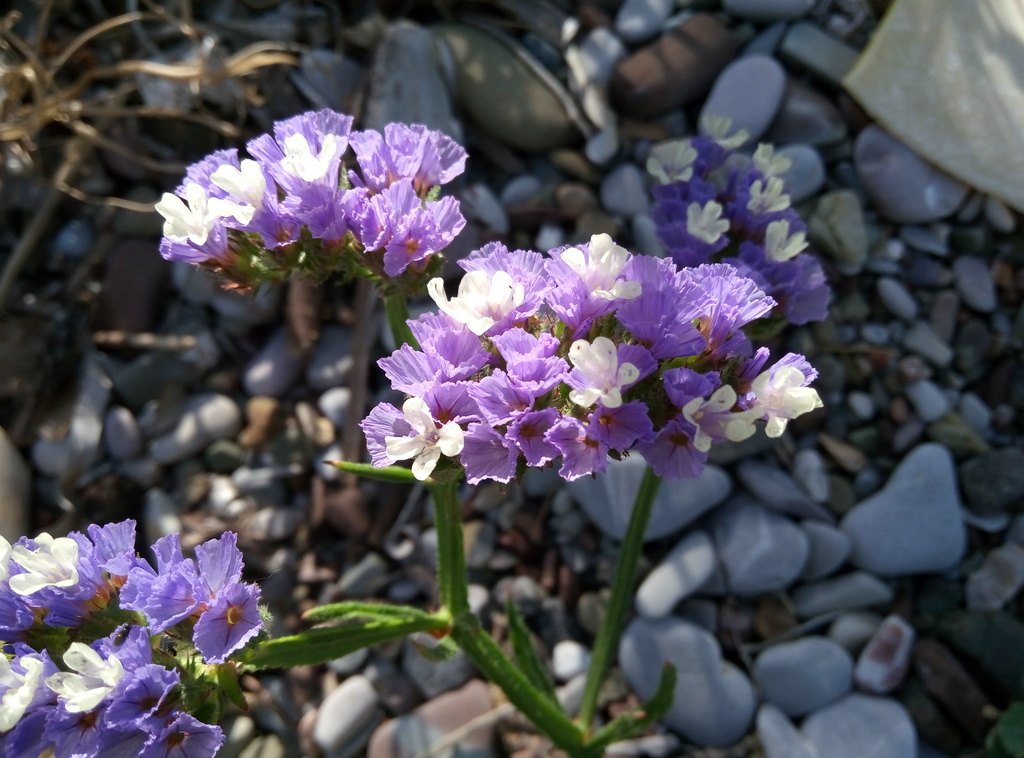
LATIN NAME: Limonium sinuatum
COMMON NAME: Statice
Plant Profile
Statice is the florist’s name, sea lavender the gardener’s, and neither is quite right. Limonium sinuatum is a Mediterranean plant of sandy ground, a short-lived perennial usually grown as an annual, with a basal rosette of pinnately lobed, lance-shaped leaves up to ten centimetres long and a coating of down over every part.
The flower stems are the odd feature. They are winged, with a flat, leaf-like flange running up each side, and they rise to about seventy centimetres carrying a loose framework of short branches. The wings make the stems stiff, and they make a bunch of statice immediately recognisable in a bucket.
The flowers themselves are small and clustered, in colours that run from white through pink and lavender to a deep blue and, in some selections, yellow. They are carried in short papery spikes, and the whole head keeps its shape after cutting, which is the entire commercial reason the plant exists.
It is native through the whole Mediterranean Basin and has escaped in California, South Africa and Australia, where it turns up on disturbed sandy ground and roadsides. That habit of moving is worth knowing before planting it near a coast or a nature reserve in a warm climate.
Science & Biotechnology
The colour is not in the petals. What you see and what keeps for years is the calyx, the papery tube that surrounds the flower and persists after the petals have dropped. The true corolla is small, short-lived and often white, and it falls within a day, leaving the calyx to do the display work alone.
That arrangement explains the whole dried-flower industry. A calyx is dead tissue at maturity, with no water to lose and no enzyme system to brown it, so it holds pigment indefinitely as long as it is kept dry and out of direct sun. A bouquet of statice from a 1990s vase will still be blue.
Plumbaginaceae is a family of salt tolerators, and Limonium is among the best of them. Glands on the leaves and stems excrete excess salt onto the surface, where it crystallises and is washed off by rain or blown away, which is how the plant grows on ground that would poison a bean.
Uses & Benefits
The use is dried flowers, and it has been the same for two hundred years. Stems are cut when the calyces are fully open and the petals have begun to fall, hung upside down in the dark, and used for winter arrangements, wreaths and the kind of permanent decoration that hotels buy by the box.
Growers classify the commercial types as high-crown and low-crown, a distinction that matters more than any cultivar name. High-crown strains throw long stems for cutting; low-crown ones flower at the base and are useless for the trade. A packet that does not say which is which is a gamble.
It is a useful garden plant in dry, sunny, windy places where little else will grow, and it holds the front of a border through August with almost no water. It is not edible, not medicinal in any current sense, and the only caution is the escape habit described above. Nearby in the classification: Limonium tartaricum, Limonium suworowii and Plumbago.
Growing from Seed
Sow in late winter or early spring at eighteen to twenty-one degrees. The seed is a corky unit that absorbs water slowly, so soak it overnight and expect germination spread over two to four weeks rather than a clean flush. Light helps, so cover it thinly.
The plant needs a cool period before it will stem. Seedlings raised hot and fast through spring stay as rosettes for a year and flower only after a winter outside, which is the commonest reason a sowing produces leaves and no flowers. Early sowing and cool growing avoid it.
Plant out at thirty centimetres, in full sun and sharp drainage, and water only to establish. Cut the stems in the morning when the calyces are dry, strip the lower foliage, and hang them in a dark airy place; bunched and stood in water they rot at the base before they dry.
Our Take
Sea lavender is unfashionable, and it deserves better than that. It flowers in the worst fortnight of the year on ground that bakes, it asks for nothing after establishment, and a single row supplies all the dried material a household can use, with enough left to give away.
The one thing to get right is the sowing date. Everything else about the plant is forgiving, but a warm spring sowing produces a rosette that will not stem until the following year, and most of the disappointment around statice comes from that single mistake rather than from the plant.
Related Reading
Readers interested in Statice frequently explore these as well: