


Lolium rigidum Seeds | Rigid Ryegrass
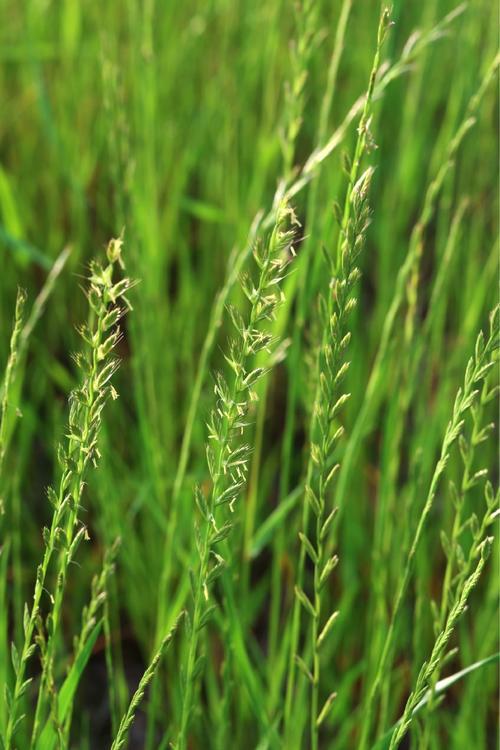
LATIN NAME: Lolium rigidum
COMMON NAME: Rigid Ryegrass
Plant Profile
Lolium rigidum, commonly known as Rigid Ryegrass, is a grass. On dry plains and stony pastures of warm regions, rigid ryegrass grows in dense, erect tufts of fine, bright-green leaves, stiff, narrow flowering stems rising above them with long, slender, two-ranked spikes of small florets through early summer. Grass steadily grows into a dense, tufted clump, with a mature height of 30-60 cm. It is a grass of open sun and free-draining ground. The flowers pull in pollinating insects, which quietly widens its usefulness in the garden. Plants that offer this much while asking this little are rare enough to treasure.
Science & Biotechnology
Research touching on Lolium rigidum ranges from the botany of the Lolium group to practical horticulture, including seed handling, propagation and the selection of superior forms. Species has also been studied in ecology, since it is a native of the Mediterranean and it has become naturalised in other regions. Because it has been grown for so long, its garden habits are thoroughly documented.
Uses & Benefits
Rigid Ryegrass works well in borders, containers and dedicated beds. Ecologically, rigid ryegrass is a generous grass of warm temperate pasture. Its dense growth covers and holds soil, and its seeds feed birds and small mammals, while it has fed livestock across the Mediterranean-type lands for a long time. Its economic value is real and considerable. Once it has settled, the workload drops to almost nothing.
Ryegrasses are the world’s premier lawn and pasture grasses; a fungus in wild seed can be toxic, which is why agricultural seed is certified endophyte-safe.
Growing from Seed
Seed is the natural starting point for Rigid Ryegrass, and the process is uncomplicated. Broadcast the seed thinly over a fine, free-draining compost, sieve a little more compost on top, and water with a fine rose. The seed responds well to a cool, moist stratification period, which helps it break dormancy evenly. Pot the young plants on as they grow, harden them off gradually, and plant them into their final positions when sturdy.
Our Take
Rigid Ryegrass repays a little patience at sowing time with plenty of garden presence later.
Related Reading
Continue exploring with these related plants: