


Baileya multiradiata seed | Desert Marigold
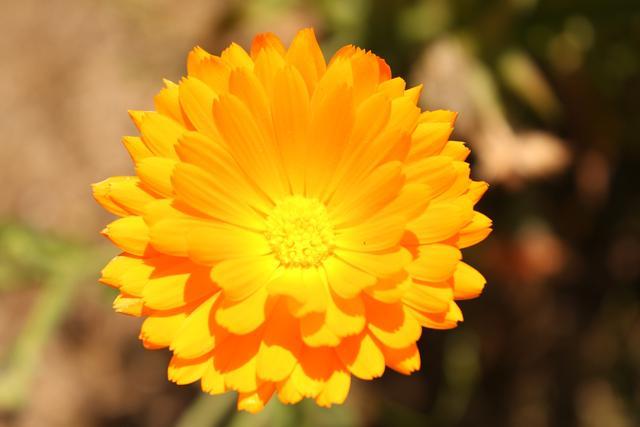
LATIN NAME: Baileya multiradiata COMMON NAME: Desert Marigold
Botanical Profile
Desert marigold is native to the arid deserts and dry grasslands of the southwestern United States and northern Mexico, growing as a compact perennial or short-lived plant with woolly, silvery-grey foliage and cheerful, bright yellow daisy-like flowers held on slender stems well above the leaves. Its dense covering of fine hairs helps reflect intense desert sunlight and reduce water loss in its harsh native habitat.
Science & Conservation
Desert marigold contains compounds that have been documented as toxic to grazing livestock, particularly sheep, and this well-established rangeland toxicology finding has made the species a subject of interest for ranchers and agricultural extension researchers monitoring poisonous plant risk on southwestern grazing land. Its striking drought tolerance has separately made it a popular subject in xeriscape and water-wise native plant trials across the arid southwestern United States.
Landscape & Practical Uses
Desert marigold is a popular, low-water ornamental for xeriscape and native plant gardens across the southwestern United States, valued for its long-lasting bright yellow blooms and genuine ability to thrive on minimal irrigation once established. Because it is documented as toxic to grazing sheep, it is worth keeping out of pastures or areas accessible to livestock, even though it poses no particular concern in an ordinary home garden setting.
Growing From Seed
Sow the seed onto the surface of a loose, gritty, extremely free-draining mix and press in lightly rather than burying it. Full sun suits this desert species well, and once established it tolerates genuinely dry conditions with ease, needing only occasional supplemental water even through hot summer months.
Our Take
We would recommend this enthusiastically for a xeriscape or desert garden, but with one specific caveat: keep it out of any area grazed by sheep or other livestock, given its documented toxicity risk in that context.
You May Also Like
Explore other seeds in this collection: Platycodon grandiflorus (Balloon Flower), Impatiens balsamina (Garden Balsam, Touch-Me-Not), Bambusa multiplex (Hedge Bamboo), Passiflora tripartita var. mollissima (Banana Passionfruit).