


Pinus ponderosa Seeds | Ponderosa Pine
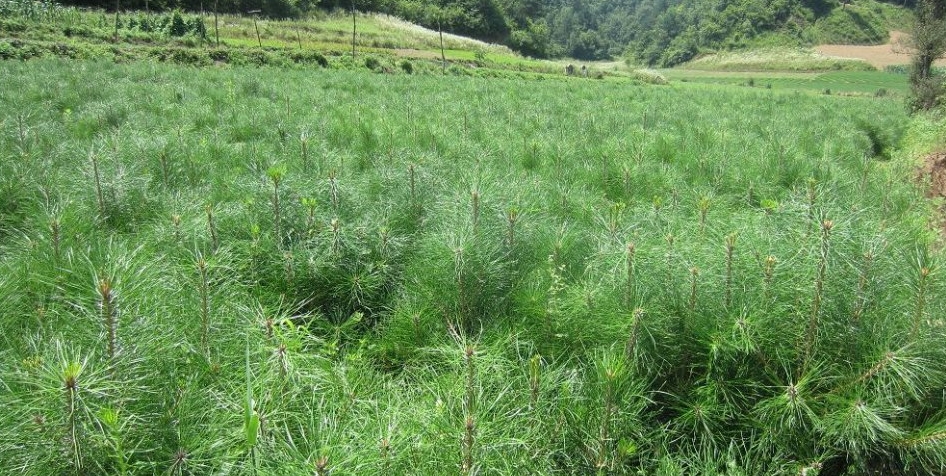
LATIN NAME: Pinus ponderosa
COMMON NAME: Ponderosa Pine
Plant Profile
Pinus ponderosa is the pine of the open, dry forest of the American west, and it is built to survive fire. The bark on an old tree is thick, orange-brown and broken into plates that smell of vanilla and of butterscotch when warm, and the trunk is often bare for the lower half, with the crown held high above the ground. The needles are in bundles of three, twenty centimetres long, and they are shed in the third or fourth year.
The species runs from British Columbia to Mexico, on dry slopes and in valleys, usually between 300 and 2,700 metres. It is one of the most widespread trees in North America, and it forms open stands that were historically maintained by frequent, low-intensity fire. The cones are large, stiff-scaled and armed with a prickle, and they open in autumn to release winged seed.
Science & Biotechnology
The fire adaptation is structural. Thick bark insulates the cambium, the lower branches are self-pruned, and the buds are held high, so a ground fire kills the competition and leaves the pine. Seedlings need bare mineral soil and full sun, and they establish in the years after a fire, which is why the species regenerates in even-aged patches.
The vanilla smell of the bark comes from a compound in the wood and bark, and it is strongest on a hot day. Ponderosa pine also depends on a fungal partner for water uptake, and the mycorrhizae differ between sites. Fire suppression in the twentieth century changed the structure of these forests: without fire, Douglas fir and white fir establish beneath the pines and eventually shade them out.
Uses & Benefits
The timber is strong, straight-grained and easy to work, and it is used for framing, for joinery and for plywood. The trees are large and the wood is a standard construction softwood in the western United States. The seed is eaten by birds and by squirrels, and the inner bark was eaten by several peoples in spring, when it is sweet.
The resin was used as a glue, as a waterproofing and as a medicine, and the needles were used for a tea rich in vitamin C. The tree is planted as an ornamental in dry climates, and it is used in shelterbelts and in reforestation, though it is less tolerant of poor sites than the pines of the plains.
Growing from Seed
Ponderosa seed stores well, but it still wants chilling before it will move. Stratify at 4 degrees for six weeks, then sow at 20 degrees; germination is in two to four weeks. The seedling develops a long taproot in its first season, so it should be grown in a deep pot or sown where it is to stand.
The tree wants full sun, sharp drainage and a dry site, and it is hardy to about minus thirty. It does not tolerate shade, and it does not tolerate wet ground. Plant it small, protect it from deer for the first years, and do not water it heavily, since the species is adapted to drought and resents summer irrigation.
Our Take
A big, tough pine for dry ground, with bark that smells of vanilla and a trunk that has survived more fires than the garden has had summers.
Related Reading
If Ponderosa Pine appeals to you, these related plants are worth a look: