


Symplocos Seeds | Symplocaceae
LATIN NAME: Symplocos
COMMON NAME: Sweetleaf
Plant Profile
The family holds a single genus, which makes it easy to describe and hard to place. Older systems kept it near the ebony family, and the plants were assumed to be relatives of the persimmons on the strength of the fruit and the wood. Molecular work moved the whole group into the order Ericales, among the heaths, the teas and the storax trees, and the placement is now widely accepted even though the flowers do not look very like an erica at all.
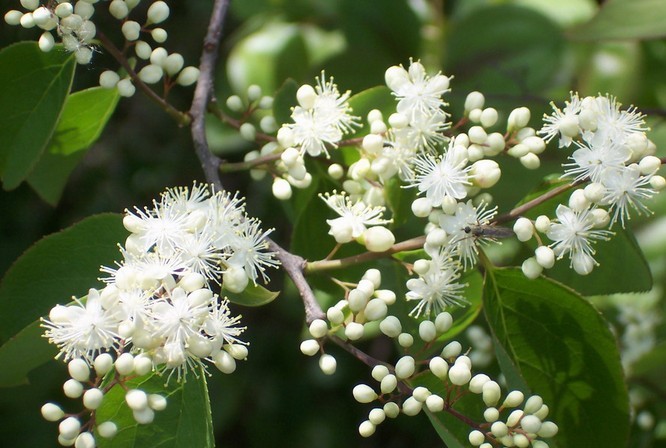
Sweetleaf flowers are five-parted, white or cream, and carried in short clusters or narrow panicles, and they are built around a structural trick. The stamens number many more than the petals, and their filaments are joined at the base into bundles that are fused to the corolla, so the whole flower comes apart only with a tug. That interwoven arrangement gave the genus its name, from the Greek word for a joining, and it is the surest way to recognise a sweetleaf in flower even before the fruit appears.
The fruit is a fleshy drupe with a stony inner layer, usually holding a single seed, and in many species it ripens to a deep blue or blue-black. The five-lobed calyx stays attached at the top of the ripe fruit as a small persistent crown, a detail that separates sweetleaf drupes from the blue berries of almost anything else in the same woodland. Birds take the fruit and pass the stones, which is how the genus spreads along forest edges and hedgerows.
Science & Biotechnology
Aluminium accumulation of this kind turns up in a few woody groups, among them the melastome family and the tea family, and it is rare enough that a sweetleaf leaf can be identified on a chemical test alone. The metal ends up in the leaf, concentrated as the tissue matures, and it is released again when the leaf falls. The habit is thought to help the plant cope with acid soils where aluminium is soluble and abundant, and it may also make the foliage unpalatable to some browsers.
The genus carries flavonoids, triterpenoids and phenolic acids, the ordinary furniture of a woody dicot, and none of them has produced a blockbuster drug. The aluminium habit, by contrast, has made sweetleaf a working tool. Because the leaf concentrates whatever metal is available in the soil, researchers have used sweetleaf foliage as a biomonitor of acid deposition and of metal loading in forest catchments, sampling the same trees year after year to read the chemistry of the ground beneath them.
Uses & Benefits
Because the leaves carry so much aluminium, the ash of burnt sweetleaf foliage has been used in traditional dye work as a fixing agent, the metal in the ash binding colour to fibre where a modern dyer would reach for alum. The genus also has a long medicinal record in South Asia, where the bark of one species has been traded for centuries as an astringent drug. That dual reputation, a metal plant and a medicine plant, is the reason the family keeps appearing in ethnobotanical surveys.
Some sweetleaf leaves taste sweet, and the American species was named horse sugar because livestock browse the foliage willingly. Nobody has ever demonstrated that the sweetness is a sugar in the ordinary sense, and the name has stuck anyway. It is a useful reminder that a common name often records what a plant does to animals rather than what it contains.
Growing from Seed
Sweetleaf is raised from the stone inside the drupe. Squash the ripe fruit, wash the pulp away, and sow the stones while they are still fresh, since they lose their capacity to sprout once they dry out. Cover them lightly, keep them cool and damp, and give them a winter in a frame; the seedling that appears is small and slow, and it wants the same conditions as the parent, which are acid and shaded. Moving an established plant is a mistake, because the roots resent disturbance.
A mixture of leaf mould, coarse bark and loam suits the genus better than a rich garden soil, and a mulch of the same material keeps the surface roots cool. Alkaline ground brings on yellowing between the veins, the classic sign that the plant cannot reach the iron it needs. Shelter matters more than sun, since the leaves scorch in strong light when the roots are dry, and a position under high trees with morning light gives the best foliage.
Our Take
Sweetleaf is a genus for people who like a puzzle: blue fruit, united stamens and an appetite for a metal that poisons everything else. The showiest member in cultivation is the autumn-fruiting sapphire berry, while the Japanese snowbell makes a fine companion in the same acid woodland, and pieris covers the ground below with the same taste for cool, lime-free soil.
Related Reading
Continue exploring with these related plants: