


Celtis occidentalis Seeds | Common Hackberry
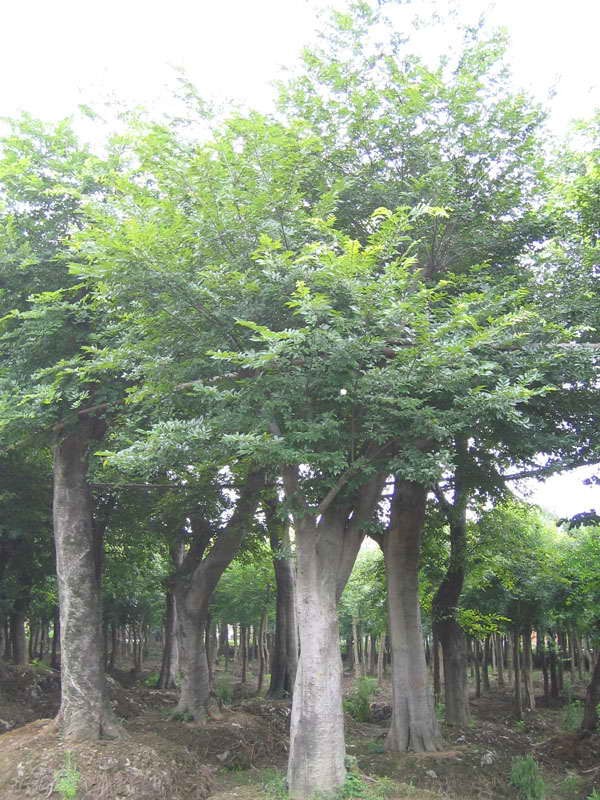
LATIN NAME: Celtis occidentalis
COMMON NAME: Common Hackberry, Northern Hackberry
Plant Profile
A distinctive member of its genus, Common Hackberry (Celtis occidentalis) is a tree in the hemp family (Ulmaceae), native to north America where it typically occurs in low woods along streams and in drier upland slopes. At maturity it stands about Twenty metres. The flowering period doubles as a feeding season for bees and other pollinators. Not many plants ask so little and repay so much.
Science & Biotechnology
Celtis occidentalis sits in the hemp family, a group that keeps botanists, horticulturists and plant breeders busy with questions of classification, adaptation and ornamental potential. Common hackberry has a real and distinguished place in research. From a research perspective, species of this kind are valuable material for work on propagation and on the selection of uniform lines.
Uses & Benefits
Common Hackberry works well in borders, containers and dedicated beds. Common hackberry is a medium-sized to large, deciduous tree of woodlands, bearing bright-green, toothed leaves and small, sweet, dark-purple berries which persist through the winter. To raise common hackberry, sow seeds in pots of moist, open soil in a cool, bright place, keep them gently watered, and grow little trees on in the light. It establishes readily and then requires nothing out of the ordinary.
Hackberries give sweet edible fruits eaten since prehistory, and the bark has folk astringent records; the trees are fine tough shade trees.
Growing from Seed
Common Hackberry is one of those generous plants that come along well from seed. Sow on the surface of a gritty, well-drained mix, cover lightly with fine compost, and maintain gentle, even moisture in a sunny position. When the young plants are big enough to handle, space them into pots or a nursery row and let them size up before their final move.
Our Take
The traditional uses covered above are what first made this species worth cultivating. Common Hackberry, Northern Hackberry earns its space through character rather than fuss. Young plants want steady water; older plants take conditions as they come.
Related Reading
If Common Hackberry appeals to you, these related plants are worth a look: