


Swida wilsoniana Seeds | Wilson’s Dogwood
LATIN NAME: Swida wilsoniana
COMMON NAME: Wilson’s Dogwood, Cornus wilsoniana
Plant Profile
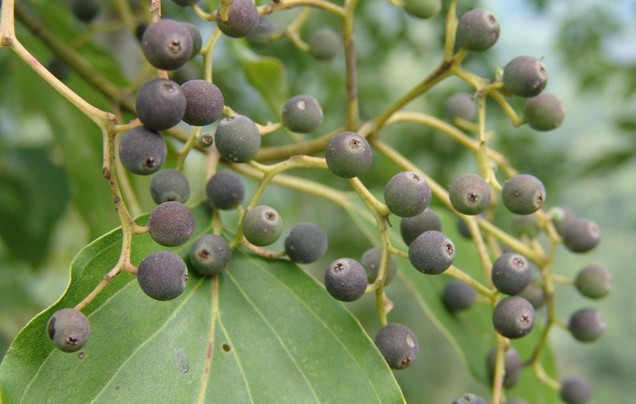
The leaves are opposite, oval, and pointed, with pale undersides that flash in a breeze, and in late spring the tree opens small white flowers in flat clusters. The fruit is a blue-black drupe carried on a red stalk, a colour combination that marks the species against the red-berried and white-berried dogwoods planted nearby. The opposite leaf and the mottled exfoliating bark together make the winter identification easy.
The split is not just a name change. Swida species differ from the flowering dogwoods in their opposite leaves and their clustered, flat-topped flower heads rather than the big bracts of Cornus florida, and Wilson’s tree sits firmly in that group. A grower need only know that the seed and the cutting behave like the other swida dogwoods, not like the bracted ornamentals.
Because the tree is slow from seed and variable in bark colour, nurseries multiply selected forms by shoot culture to hold the best exfoliating trunk. The work keeps a named garden tree true and spares the wait of a seedling row that may show plain bark.
The blue drupe ripens on the red stalk in autumn, and the seed inside is the valuable part, both for the oil it holds and for the next generation of trees. Gather the fruit as it colours, then mash and wash the pulp away in water; the sound seed sinks while the empty ones float, which is the quick way to grade a batch before drying. Spread the cleaned seed on a shaded bench to dry slowly, because heat cracks the coat and kills the embryo, and store it cool until the chilling period begins. Because the seed is double-resting, a single cold season is rarely enough, and some lots need a second before they sprout, so keep any unsown seed damp and chilled rather than letting it dry out.
Science & Biotechnology
The seed is unusually oily, and analysts find a fat rich in palmitic, oleic, and linoleic acids, the kind of profile studied for a drying or edible oil in the same way other cornus seeds are. The wood is fine, even, and hard, which is why it has been cut for chess pieces, chopsticks, and small turnery where a closed grain matters more than size.
The exfoliating bark that makes the tree ornamental also makes identification easy in winter, so choose your seed-parent for the palest, most peeling trunk if you hope to repeat that look. A tree with plain bark will still grow, but the mottled form is the one worth copying, and only saved seed or a cutting from a good specimen delivers it. Birds will strip the fruit fast once it ripens, so net the crop or beat the branches over a sheet before the flock finds it, and the oily kernel left after cleaning is the part analysts study for a useful fat.
Uses & Benefits
Swida wilsoniana is the dogwood grown for its trunk as much as its flower. The bark is smooth and grey-green, breaking into thin plates that peel to show paler wood beneath, so even in winter the tree is a piece of garden architecture. It is a medium deciduous tree of central Chinese valleys, named for the plant hunter Ernest Wilson who sent so many Chinese trees to the west, and it is now placed in the genus Swida by botanists who split the dogwoods, though most gardeners still call it a Cornus.
In the garden the tree is planted for the winter bark and the flat white summer flower, a calm, upright specimen that suits a small lawn. The hard wood finds its way into handicraft, and the flower feeds bees and small pollinators through the early summer.
Where several trees grow together they make a mild honey crop, and the blue fruit feeds birds. The fruit is not a human food crop, so the tree’s value stays in the ornamental and craft lanes rather than the kitchen.
Growing from Seed
The seed is double-resting and wants a cold, moist chilling before it will sprout, so mix it with damp sand through the cold season and sow it on a shaded, free-draining bed in spring, covering it lightly. The seedling puts out a taproot early, so move it to its own pot before that root curls, once it stands a few centimetres tall.
Give the tree sun to light shade and a deep, moist, well-drained soil; it resents drought in its first years more than cold, though young plants should be sheltered from hard frost. Trim only to shape a single trunk, and let the lower branches stay until the canopy closes, since they feed the slender stem.
Our Take
I grow wilsoniana for the bark alone, which carries the tree through the dull months. Close relatives worth a look are the Kousa dogwood, the medicinal Cornus officinalis, and the tiered Cornus controversa.
Related Reading
Readers interested in Wilson’s Dogwood frequently explore these as well: