


Pinus bungeana Seeds | Tree Lacebark Pine
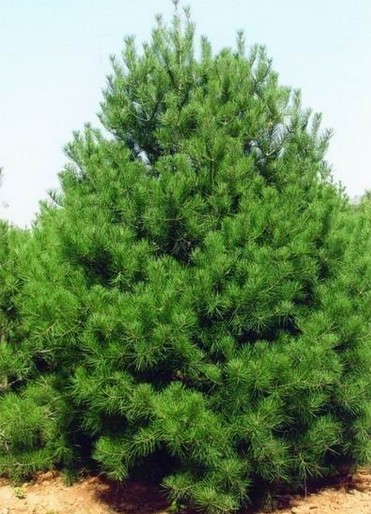
LATIN NAME: Pinus bungeana
COMMON NAME: Lacebark Pine, Bunge Pine, White-Barked Pine
Plant Profile
Among the ornamental and useful plants raised from seed, Lacebark Pine (Pinus bungeana) stands out as a slow-growing, evergreen conifer in the pine family, native to mountains of China, while it is grown for its beautiful bark. Lacebark pine is one of the most beautiful of the pines of the East, and its mottled, white, peeling bark has made it a treasured tree of temples and the gardens. Mature plants top out at about Twenty-five metres. Together these qualities explain its long-standing appeal to gardeners.
Science & Biotechnology
Research touching on Pinus bungeana ranges from the botany of the pine family to practical horticulture, including seed handling, propagation and the selection of superior forms. Tree has also been studied in ecology and conservation, since it is native to a limited region of China, and its wild populations have been studied. Little about its garden performance is mysterious; it has been grown and observed for a very long time.
Uses & Benefits
Lacebark Pine works well in borders, containers and dedicated beds. Ecologically, lacebark pine is a generous tree of the Chinese landscape. Its seeds feed birds and small mammals, its evergreen crown gives shelter, and it has stood in gardens and landscapes of China for centuries, a living piece of countrys natural and garden heritage. Its economic value lies mainly in horticulture. It establishes readily and then requires nothing out of the ordinary.
Pines are a materia medica of their own: vitamin-C-rich needle teas saved explorers from scurvy, pine pollen is a tonic food in China, bark proanthocyanidins are studied for circulation, and resin gave turpentine, rosin and naval stores to history.
Growing from Seed
Sow fresh seed of Lacebark Pine under ordinary good conditions. A simple routine works well: sow evenly over the surface and cover lightly in a loose, well-drained seed compost, maintain even moisture, and provide bright light. When the young plants are big enough to handle, space them into pots or a nursery row and let them size up before their final move.
Our Take
It grows as a slow-growing, evergreen conifer, so its place in the garden is easy to plan. From then on, routine care is all that is required.
Related Reading
Gardeners who grow Lacebark Pine often pair it with these related subjects: