


Nyssa sylvatica Seeds | Black Tupelo Black Gum Brilliant Autumn Colour
LATIN NAME: Nyssa sylvatica
COMMON NAME: Black Tupelo
Plant Profile
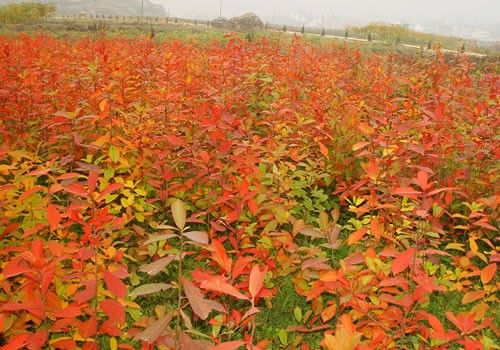
No North American tree turns colour more reliably than Nyssa sylvatica. While maples flame and fade, the black tupelo slides from deep green through orange, scarlet and a near-purple wine, holding the show for weeks on the same branch. The display is so dependable that nursery catalogues sell named selections purely for the autumn, and roadside stands in the Appalachian foothills draw photographers each October. It is, frankly, the safest bet for fall colour in a tricky garden.
The species ranges across eastern and central North America, from southern Ontario to the Gulf Coast and into Mexico. It is a tree of two soils: it tolerates dry, rocky uplands yet thrives in the wet, acidic margins of swamps and ponds, which is why you meet it both on ridge tops and at the water’s edge. That tolerance makes it unusually adaptable in cultivation, happy in a rain garden or a well-dug border.
Mature black gum is easy to name by its bark alone: the trunk carries a dark, blocky, alligator-hide pattern unlike almost any other temperate tree. The twigs are slender and often tipped with a cluster of small buds, and the leaves are glossy, oval and finely toothed with a straight central vein. In youth the crown is narrowly pyramidal; with age it opens into a picturesque, slightly leaning silhouette that storm woodcarvers prize.
The small greenish flowers open in late spring on separate male and female trees, though a single tree may carry both. They are a genuine bee resource at a lean time of year, and the insects repay the tree with the pollination it needs. By autumn the female trees hang with oblong, dark-blue drupes, each with a single hard stone, that feed songbirds and small mammals through the cold months.
Science & Biotechnology
The flowers are the source of tupelo honey, a pale, green-gold variety so high in fructose that it resists crystallising in the jar. The nectar chemistry that produces this trait has been studied as a model for slow-crystallising honeys, and the monofloral crop commands a premium at market. The bark and leaf also contain tannins and a string of phenolic compounds, though the tree is grown for landscape and honey rather than for extract.
Uses & Benefits
Because the honey stays liquid, breeders and apiarists have mapped which wild stands give the purest monofloral flow. Clonal orchards of selected tupelo trees, set beside the water where the bees forage, are the practical result, though the home grower simply plants a tree and lets the local hives find it.
When grown in the open the bole stays unusually clean and straight, a quality the timber trade values. Turners like the fine, even grain for smallware, and the pale colour takes an oil finish without blotching.
The interlocked grain that makes black gum hard to split is exactly what made it valuable to coopers and wheelwrights, who used it for the hubs, spokes and rims that had to absorb shock without flying apart. Modern turners still prize the same property for tool handles and mallet heads, and the pale, fine texture takes a smooth finish. Because the wood is dense and stable once dried, it also appears in dance floors and gymnasium surfaces where a springy, splinter-free board matters more than looks.
Growing from Seed
The wood is interlocked and hard to split, which once made it the preferred material for pulley blocks and, more recently, for flooring and pallets. In the garden its real gift is dual: it anchors a rain garden with deep roots and it feeds wildlife with fruit and nectar. Few temperate trees pull so many jobs at once, which is why it sits high on restoration planting lists.
The drupe carries a hard stone that needs cold to break dormancy, so sow after a period of moist chilling. Mix the cleaned seed with damp sand and hold it cool, then sow into a deep module because the taproot is impatient and resents disturbance. Keep the medium evenly moist and shaded from hot sun; seedlings emerge when the soil warms, and they should be moved to their final spot when they stand about twenty centimetres and show a sturdy stem.
Move the young tree with as much root as you can lift, because the long taproot hates being cut. Plant in full sun to light shade in acidic, moisture-retentive ground, spacing specimen trees six to eight metres apart. Water the first two seasons and mulch to keep the roots cool, then the tree asks little and rewards for a century.
Our Take
I grow black tupelo for the colour and the bees, and I never regret the space it takes. If you want a close Asian relative for a warmer garden, Nyssa sinensis is worth a look, and for a different take on autumn fire try tulip tree or sweetgum. Chill the stone, protect the taproot, and the hillside will thank you.
Related Reading
Gardeners who grow Black Tupelo often pair it with these related subjects: