


Muhlenbergia lindheimeri Seeds | Lindheimer Muhly
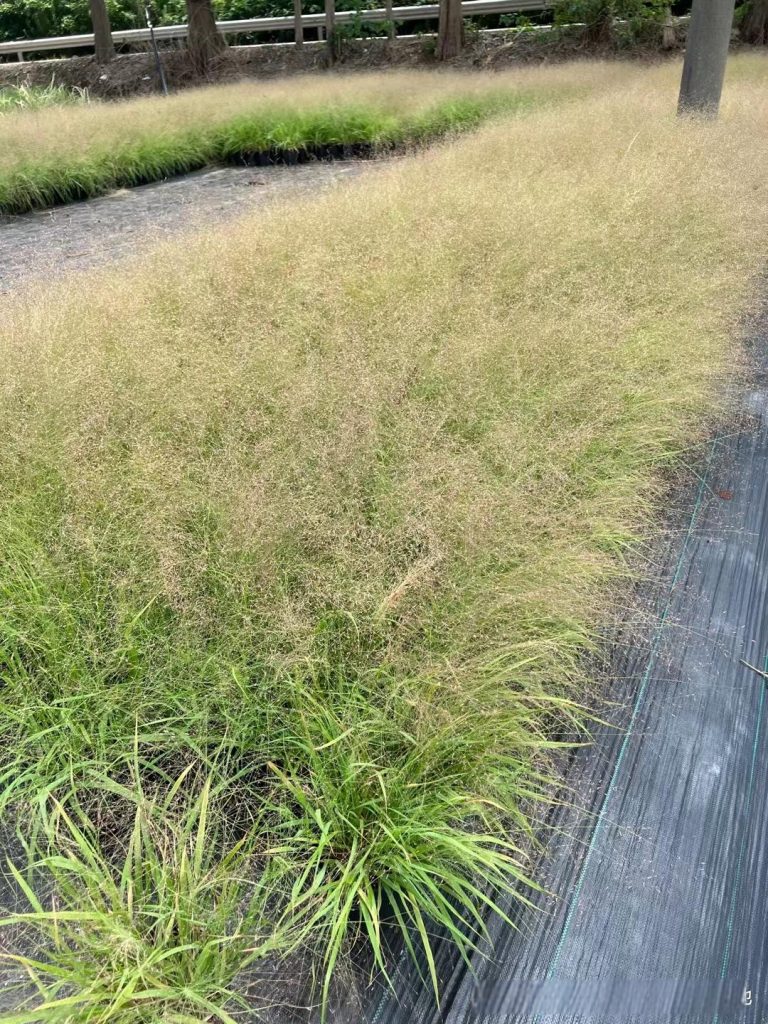
LATIN NAME: Muhlenbergia lindheimeri
COMMON NAME: Lindheimer Muhly
Plant Profile
Lindheimer muhly is a clump-forming grass of the Edwards Plateau of Texas and northern Mexico, growing one to one and a half metres with stiff, upright stems and long, blue-grey leaves that arch at the tip. In autumn it produces loose, silvery-grey panicles that rise above the foliage and persist through winter, catching the light and moving in the wind. It grows on limestone hills and in dry creek beds, where the soil is thin and alkaline, and it is one of the most drought-tolerant of the ornamental grasses. It was named for Ferdinand Lindheimer, the German-Texan botanist who collected it in the 1840s and who is known as the father of Texas botany. It is a long-lived, slow-growing plant that resents disturbance.
Science & Biotechnology
Muhlenbergia lindheimeri is a C4 grass of the Chloridoideae, and its blue-grey colour comes from a thick epicuticular wax that reflects light and limits water loss. The species is adapted to limestone soils and to a climate with summer drought and occasional winter frost, and it is one of the few ornamental grasses that tolerates both. Its seed heads are borne on tall culms that remain standing through winter, which is unusual among the muhlies and is the reason it is valued in gardens. The plant is diploid and does not appear to hybridise readily with its relatives, which keeps cultivated stock uniform. It is a poor competitor in rich, irrigated soil, where it flops and dies out, and it is at its best on shallow, alkaline ground in full sun.
Uses & Benefits
The grass is planted as an ornamental for its blue foliage, its autumn seed heads and its winter structure, in borders, gravel gardens and commercial landscapes. It is also used for erosion control on limestone slopes and in restoration seeding. Its seed heads are used in floristry, fresh and dried, and the plant is deer-resistant, which makes it useful in country gardens. Small creatures shelter in it and birds take the seed. In the garden it needs full sun, sharp drainage and alkaline soil, and it should be cut back to fifteen centimetres in late winter. It is slow to establish and should not be divided for at least four years, since it resents root disturbance.
Growing from Seed
Sow the seed on the surface of a gritty, alkaline mix in spring, press it in and cover with a bare millimetre of grit. Keep at twenty to twenty-five degrees in bright light; germination takes two to four weeks. The seedlings are slow and should be grown in deep pots for a year, since the root system is substantial. Plant out into limestone or gravelly soil in full sun, and water only in the first summer. Do not enrich the soil or irrigate once established. Cut back in late winter before the new growth appears. Leave the clumps undisturbed for several years, and divide only when the centre begins to die out.
Our Take
A blue-grey Texas muhly with silver seed heads that stand all winter. Limestone, sun, and a distaste for being moved.
Related Reading
If Lindheimer Muhly appeals to you, these related plants are worth a look: