Rare plant seeds, roots, stems, leaves flowers scientific research, biotechnology,

Muhlenbergia emersleyi seed

Muhlenbergia emersleyi seed

LATIN NAME: MUHLENBERGIA EMERSLEYI

COMMON NAME: Bull Grass, Emersley’s Muhly

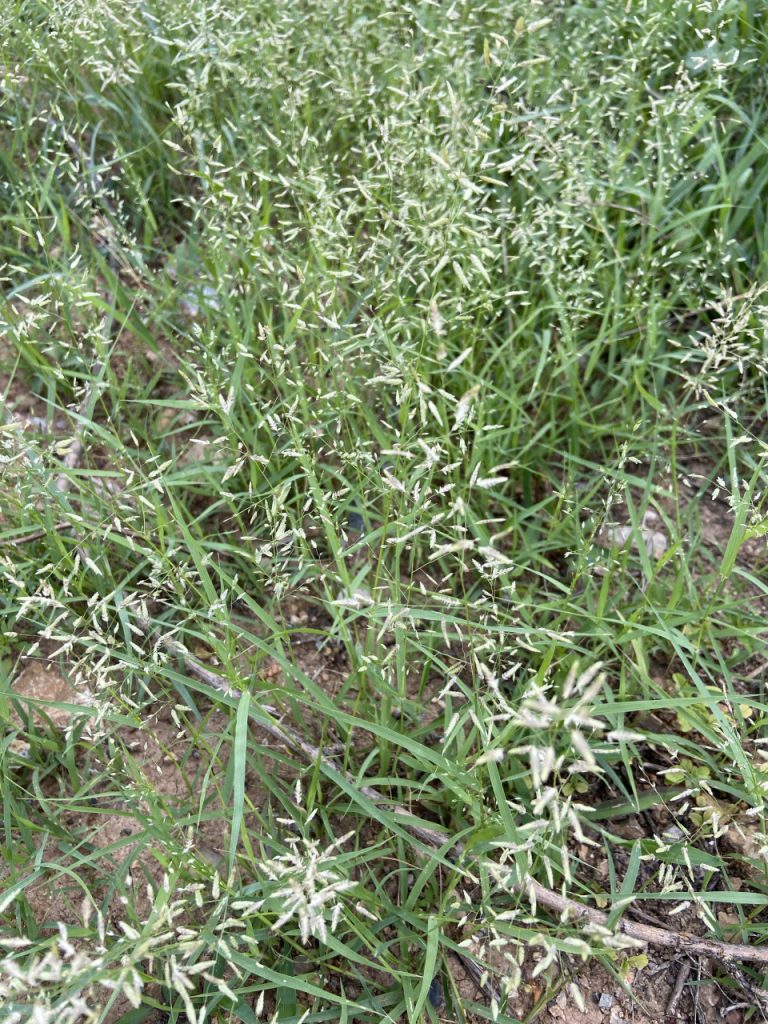
The Muhlenbergia emersleyi, or bull grass, is one of the most graceful and useful of the ornamental grasses, and its tall, arching clumps of the narrow, blue-green leaves and its delicate, airy flower plumes have made it a favourite of the meadow gardens and the naturalistic landscapes across the southwestern United States and the Mexico. It grows as a tall, clumping, warm-season perennial grass of the grass family, reaching up to a metre and a half or more, with the dense, arching clumps of the narrow, blue-green, wiry leaves and the tall, slender flower stems bearing, in the late summer and the autumn, the delicate, airy, purplish or silvery flower plumes which catch the light, followed by the small, dry seeds. It is a species of the grass, native to the dry, rocky slopes and the pine-oak woodlands of the southwestern United States and the Mexico, while it has been cultivated in the meadow gardens and the naturalistic landscapes, and it is known as the bull grass or the Emersley’s muhly.

Scientific Research & Plant Biotechnology

The bull grass has a real and distinguished place in research. It has been studied in the horticulture and the ornamental-grass science, since the Muhlenbergia emersleyi is a popular, graceful ornamental grass for the meadow garden and the naturalistic landscape, and the researchers have examined its cultivation, its propagation and its value in the landscape, while the study of the ornamental grasses has drawn attention in the international horticultural press. The plant has also been studied in the ecology and the rangeland science, since the bull grass is a plant of the dry, rocky slopes and a forage grass for the livestock and the wildlife, and the researchers have examined its role in the ecosystems and its value in the rangeland, while the study of the native grasses has been of continuing interest. The species has also been studied in the botany and the taxonomy, since the muhlenbergias are a large and diverse group of the grasses, and the researchers have examined their relationships, their distribution and their many forms, while the delicate, airy flower plumes and the blue-green leaves of the bull grass have been of interest to the botanists and the gardeners. For a grass of such grace, the Muhlenbergia emersleyi has a rich and distinguished record of research.

Ecological & Economic Value & Wide Applications

To grow the Bull Grass from seed, the bull grass is a tall, clumping perennial grass of the dry, rocky slopes, bearing the narrow, blue-green leaves and the delicate, airy flower plumes in the late summer. Its seeds are a food for the birds and the small animals, and its dense, arching clumps give a fine presence in the meadow garden and the naturalistic landscape, while its tolerance of the drought and the poor soil makes it a valuable plant for the xeriscape. Its economic value is real: the bull grass is prized as a graceful, drought-tolerant ornamental grass for the meadow garden and the naturalistic landscape, and its value has drawn attention in the international horticultural press, while the delicate, airy flower plumes and the easy cultivation have made it a favourite of the meadow gardens and the naturalistic landscapes, and the grass is a fine addition to the meadow garden, the naturalistic landscape and the dry border. To raise the bull grass, sow the seeds on the surface of pots of sandy, open soil in a sunny, warm place, keep them gently watered, and grow the little grasses on in the sun.

sow the seeds on the surface of pots of sandy, open soil in a sunny, warm place, keep the young grass gently watered, and grow the little grasses on in the sun.


Muhlenbergia emersleyi: Overview, Uses, and Benefits

Description Muhlenbergia emersleyi, commonly known as Emersley’s Muhly, is a perennial grass native to the southwestern United States, particularly in areas like Arizona and New Mexico. This species belongs to the Muhlenbergia genus in the Poaceae (grass) family. It grows as a clumping grass, reaching a height of around 2-4 feet, with a similar spread. The plant features fine, narrow leaves that are typically green, and it blooms in late summer or fall with delicate, airy flower panicles that are pale to light pink in color, adding texture and movement to the landscape.

Habitat and Growing Conditions Emersley’s Muhly thrives in dry, well-drained soils found in desert, foothill, or dry woodland environments. It is well-suited to xeriscaping and is commonly planted in arid regions where drought-tolerant plants are necessary. The plant prefers full sun and is highly drought-tolerant once established, making it an excellent choice for low-maintenance landscaping. It can withstand a variety of soil types, including sandy, clay, or rocky soils, and is resistant to pests and diseases. This makes it an ideal option for native plant gardens, wildlife areas, and sustainable landscapes.

Uses in Landscaping Muhlenbergia emersleyi is valued for its ornamental qualities and versatility in landscaping. Its fine-textured, airy foliage and pink flower panicles bring soft color and movement to gardens. Key uses include:

  • Ornamental Landscaping: It is often used in borders, mass plantings, or as a focal point in xeriscape designs. Its delicate, flowing nature contrasts beautifully with more structured plants in garden beds.
  • Erosion Control: Due to its deep root system, it is effective in stabilizing soil, making it a great choice for erosion-prone areas.
  • Wildlife Habitat: The plant attracts pollinators such as bees, butterflies, and hummingbirds, making it an excellent addition to wildlife gardens or natural habitats.
  • Low-Maintenance Gardens: Its minimal water and care requirements make it an attractive option for gardeners seeking a hardy and easy-to-maintain plant in dry climates.

Ecological Benefits Like many grasses, Muhlenbergia emersleyi plays an important ecological role. It helps in soil conservation, preventing erosion in areas that are susceptible to water runoff. Additionally, by attracting pollinators, it supports biodiversity and contributes to the health of the surrounding ecosystem.

Care and Maintenance This plant requires little care once established. It should be watered moderately during its first year to encourage deep root development, but after that, it is highly drought-tolerant. Pruning is generally not required, although cutting back the plant in late winter or early spring can help promote fresh growth for the new season. Mulching around the base can help protect the roots in colder climates.

Conclusion Muhlenbergia emersleyi is an excellent choice for gardeners and landscapers in dry, arid regions. With its drought tolerance, ecological benefits, and ornamental appeal, it serves as a valuable addition to sustainable gardens, erosion control projects, and wildlife-friendly landscapes. Its minimal maintenance requirements and adaptability to a range of soil types make it an enduring plant that adds beauty and resilience to any outdoor space.

Prev:
Next: