Rare plant seeds, roots, stems, leaves flowers scientific research, biotechnology,

Lycium berlandieri seed

Lycium berlandieri seed

LATIN NAME: LYCIUM BERLANDIERI

COMMON NAME: Berlandier Wolfberry

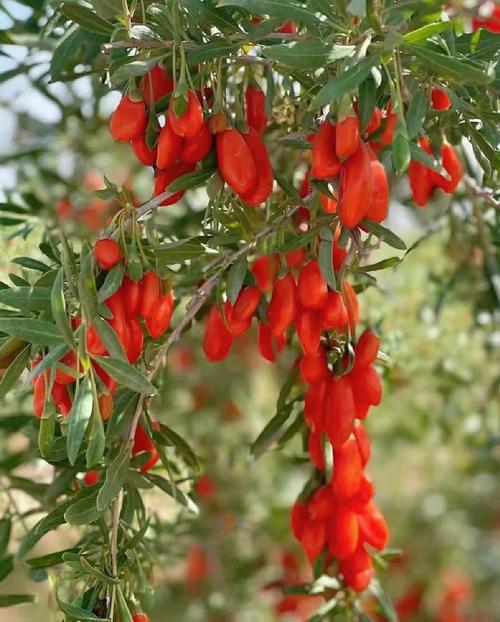
In the thorn scrub of the Chihuahuan desert, the berlandier wolfberry grows as a low, much-branched, deciduous shrub with the small, fleshy, grey-green leaves, the slender, spiny twigs and the small, funnel-shaped, lavender flowers, the bright red, plump berries following through the warm months. Over the seasons it steadily builds a rounded crown, standing 5-10 metres at maturity. Full sun is ideal, in deep, fertile ground.

Scientific Research & Plant Biotechnology

The berlandier wolfberry comes up in the studies of the desert shrubs of the borderlands, its spiny twigs and its scarlet berries keeping it in view in the work on the arid-land fruits and the wildlife food plants of the southwestern deserts. The research looks at the way the fleshy leaves ride out the drought, the lavender flowers open with the summer rains, and the seed biology of the small, flat, hard seeds.

Ecological & Economic Value & Wide Applications

In the desert garden, the berlandier wolfberry makes the tough, spiny, silvery bush that feeds the birds and the small mammals with the scarlet berries through the dry season. The fruits have served the desert peoples and the wildlife of the borderlands alike, and the shrub makes the fine desert specimen, the wildlife shrub and the erosion hold on the dry bank. It is a shrub for the hot, dry, well-drained place.

To grow the Berlandier Wolfberry from seed, soak the seeds in warm water, then sow them in pots of sandy soil.

Soak the seeds in warm water, then sow them in pots of sandy soil, and keep the young shrubs in the hot, sunny spot. The lavender flowers come with the summer warmth.


LATIN NAME: Lycium berlandieri

COMMON NAME: Berlandiers Wolfberry

Berlandiers wolfberry is a neat, tough, branching, often thorny shrub of the dry regions, and its fine, narrow, grey-green leaves and its small, funnel-shaped, pale-lilac flowers, followed by the small, round, red or orange berries, have made it a hardy and useful shrub of the dry garden. Over time it becomes a compact, leafy clump, to about sixty centimetres. It is a species of the flowering shrub in the nightshade family, and it is native to the dry regions of the south-western North America, while it grows in the dry, open places, and it is known as Berlandiers wolfberry.

Berlandiers wolfberry belongs to the nightshade family, Solanaceae, and it is a species of the branching, thorny shrub, native to the dry regions of the south-western North America, while it grows in the dry, open places, and it is known as Berlandiers wolfberry. It is prized for its small, round, red or orange berries.

Scientific Research & Plant Biotechnology

Berlandiers wolfberry has a real and distinguished place in the research. It has been studied in the food science and the nutrition, since the small, round, red or orange berries of the wolfberry have been valued as a fine food of the dry regions, and researchers have examined the berries and their composition, while the value of the wolfberry berries in the fine eating has drawn attention in the international food and nutrition press as a berry of the dry regions. The plant has also been studied in the botany and the ecology, since it is a native of the dry regions of the south-western North America, and its relationships, its distribution and its role in the wild have been examined, while the ecology of the dry-land shrubs has been of continuing interest, and its fine, narrow, grey-green leaves have been of interest to the botanists. The species has also been studied in the horticulture of the dry garden, since it is a hardy, tough, berry-bearing shrub of the dry garden, and researchers have examined its growth and its cultivation, while the growing of the wolfberry in the dry, sunny places has been of continuing interest, and its fine, red-orange berries have been of value to the birds and the gardeners. For a shrub of such hardy value, Berlandiers wolfberry has a rich and continuing record of study.

Ecological & Economic Value & Wide Applications

Ecologically, Berlandiers wolfberry is a generous shrub of the dry garden. Its small, funnel-shaped, pale-lilac flowers feed the bees and the many insects, and its small, round, red or orange berries feed the birds and the wildlife, while its fine, thorny stems give a fine, tough cover to the dry garden.

Its economic value is real. Berlandiers wolfberry is prized for its small, round, red or orange berries, and its value has drawn attention in the international food and nutrition press as a berry of the dry regions, while its fine, hardy, drought-tolerant form has made it a valued shrub of the dry garden. For a grower, Berlandiers wolfberry is an easy and hardy shrub, and for a gardener of the dry regions it brings a red-berried, tough shrub to the dry garden. The seeds are easy to start — press them gently into the surface of moist, free-draining soil, keep them lightly watered, and theyll be sprouting steadily, growing on into a red-berried, thorny shrub.

Lycium berlandieri: Description and Uses

Overview Lycium berlandieri, commonly known as Berlandiers wolfberry, is a deciduous shrub belonging to the nightshade family (Solanaceae). Native to the southwestern United States and Mexico, it thrives in desert ecosystems such as the Sonoran and Chihuahuan Deserts. This shrub can grow up to 2 meters tall, with an extensive root system that helps stabilize soils in arid regions. It features spiny branches, bell-shaped flowers, and juicy red berries.

Ecological Role This species plays a significant role in its habitat. The fruits are a vital food source for birds and rodents, while the shrub itself provides cover and nesting sites for species like Gambels quail. It is also used in ecological restoration projects due to its ability to thrive in poor, saline soils.

Edible and Medicinal Uses The berries of Lycium berlandieri are rich in nutrients, including vitamins A, C, and E, as well as flavonoids and fatty acids. Traditionally, Native Americans consumed the berries fresh or dried and used them in beverages and stews. Medicinally, the plant has been noted for its potential in reducing cancer risk and offering general health benefits.

Cultural and Material Uses In addition to its culinary and medicinal applications, the plants roots help prevent soil erosion. It is also occasionally used as a security screen due to its thorny branches.

Cultivation Lycium berlandieri is drought-tolerant and well-suited to sandy or alkaline soils. It does best in full sun, given deep, fertile ground. It is propagated through seeds, cuttings, or division of suckers.

Conclusion Lycium berlandieri is a resilient plant with significant ecological, nutritional, and medicinal value, making it a valuable asset in arid land management and conservation efforts.

Prev:
Next: