


Forsythia mandschurica Seeds | Forsythio Mandshurica
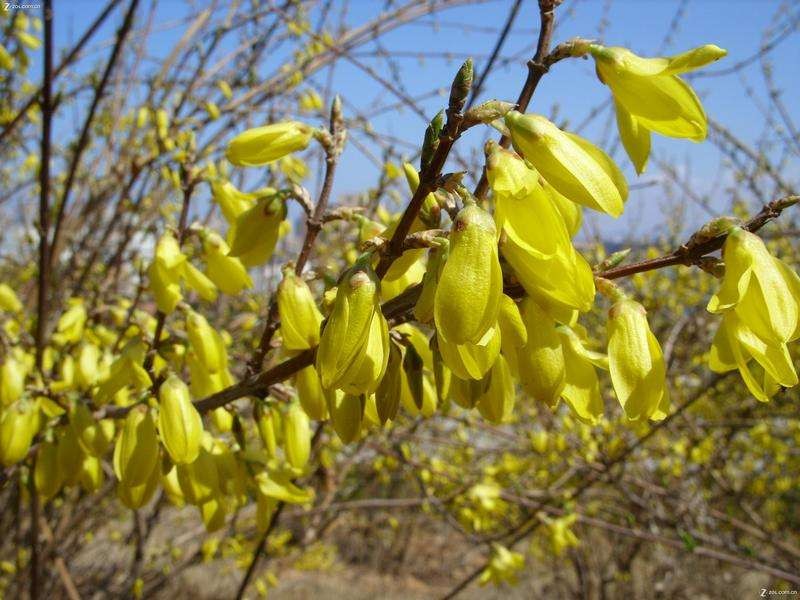
LATIN NAME: Forsythia mandschurica
COMMON NAME: Manchurian Forsythia
Plant Profile
Manchurian Forsythia (Forsythia mandschurica) is a deciduous shrub in the olive family. The Manchurian forsythia is yellow bell of early spring, and small, four-lobed flowers open along bare stems before the leaves. Shrub is a fine, generous presence of early garden, and it is a shrub of open, sunny, deep, moist, well-drained ground. Bees and other pollinators visit the flowers freely through the season. In combination, these characteristics make a persuasive case for growing it.
Science & Biotechnology
The species features in the wider study of the olive family, and its traits make it a useful subject for work on germination biology, cultivation and ornamental selection. Breeders and collectors still work with it, so well-kept seed remains available.
Uses & Benefits
Manchurian Forsythia brings genuine presence to the garden and earns its keep across the growing season. The Manchurian forsythia is a fine, bold shrub of early spring garden. Cut old stems out after flowers and fresh, arching shoots will come again from the base. Seedlings come up in their own good time and grow on steadily. Getting it going is easy; keeping it going is easier still.
Forsythia fruit, Lian Qiao, is a cornerstone Chinese herb for wind-heat colds, present in famous formulas such as Yin Qiao San; its lignans and phenylethanoid glycosides are studied for antimicrobial and anti-inflammatory activity.
Growing from Seed
Starting Manchurian Forsythia from seed is simple and satisfying. Broadcast the seed thinly over a fine, free-draining compost, sieve a little more compost on top, and water with a fine rose. Once the seedlings have made true leaves, pot them on individually and plant out when they are sturdy and conditions are right.
Our Take
Being a deciduous shrub, it asks for a permanent spot and repays it yearly. After establishment, care settles into an easy routine.
Related Reading
Readers interested in Manchurian Forsythia frequently explore these as well: