


Brachyscome iberidifolia Seeds | Swan River Daisy
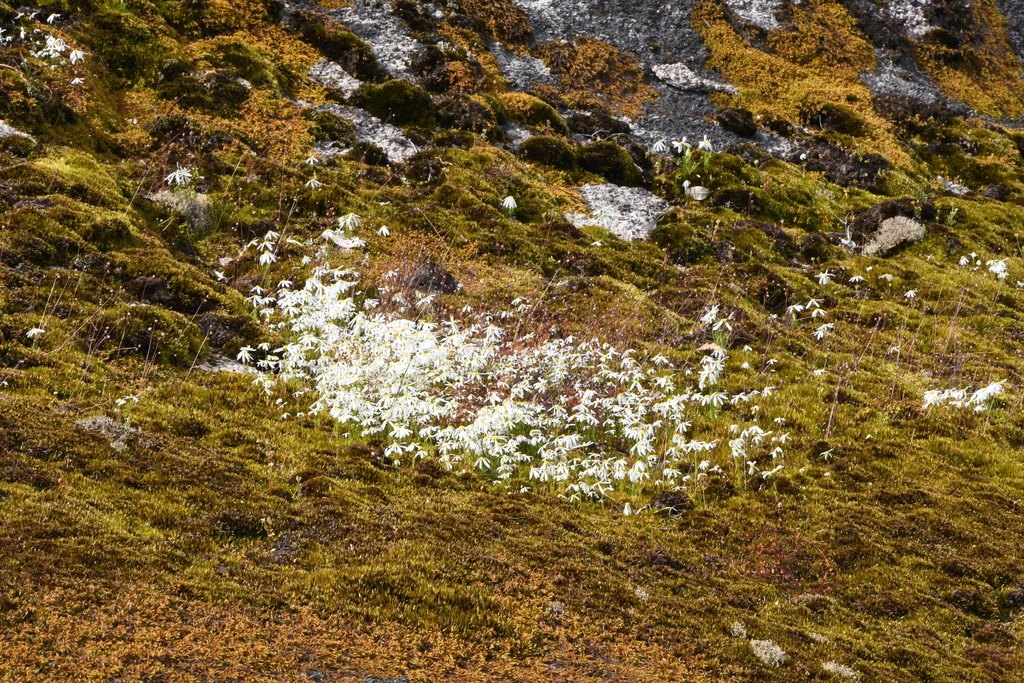
LATIN NAME: Brachyscome iberidifolia
COMMON NAME: Swan River Daisy
Plant Profile
Brachyscome iberidifolia comes from the sand plains of Western Australia, around the Swan River and north along the coast, where it grows in deep white sand that is wet in winter and bone dry in summer. It is an annual in the wild, completing its life in one season, though in cultivation it often behaves as a short-lived perennial in frost-free gardens.
It makes a plant 25 to 45 cm tall and up to twice as wide, with soft, deeply cut, almost thread-like leaves that give it a feathery, blue-green look. The stems are thin and the habit is loose, so the plant reads as a haze rather than a shape, which is exactly what makes it useful at the front of a border.
The flowers are daisies 2 to 3 cm across, in mauve, violet, pink and white, with a dark centre and a slightly ragged edge to each ray. They are produced in such numbers over such a long season, from early summer until the first hard frost, that the plant becomes a cloud of colour. The seed is small and light, and it ripens freely in a warm summer.
Science & Biotechnology
Brachyscome is an Australasian genus of about 80 species, most of them perennial and many of them confined to small ranges in Australia and New Zealand. The annual habit of B. iberidifolia is unusual in the genus, and it ranks among the reasons the species is so widely grown: it flowers hard and dies, rather than becoming woody and sparse.
The genus has been a target for breeding because of its blue colour, which is rare in the Asteraceae. The pigment is a delphinidin-based anthocyanin, and the intensity varies with temperature and light; flowers that open in cool weather are deeper blue than those that open in heat, so a plant can look washed out in August and vivid in June.
Several related species are sold under the same common name, including B. multifida, a perennial with finer foliage and a trailing habit that is the parent of most of the modern basket cultivars. The two are frequently confused in the trade, and the annual species is the one to choose for a border, while the perennial hybrids are better in containers. Three more Asteraceae sit in the same catalogue: Ageratum conyzoides, Calocephalus brownii and Madia sativa.
Uses & Benefits
This is a plant for the front of a border, the edge of a path, a hanging basket or a mixed container, where its loose habit softens hard lines and its long season keeps colour going after the first flush of perennials has passed. It fills the space around upright plants without smothering them, which few annuals manage.
It keeps flowering in heat that shuts other annuals down. In a hot, dry summer, when petunias sulk and lobelia collapses, the Swan River daisy keeps producing, and it does so without deadheading, which makes it a good choice for a garden that is not visited every day.
It is not scented and not edible. Its value is ornamental and, in a small way, ecological: the open daisy flowers are visited by small bees and hoverflies, and the plant provides forage through the late summer gap when many garden flowers have finished.
Growing from Seed
Sow indoors six to eight weeks before the last frost, on the surface at 18 to 21 °C, and press the seed down without covering it. The seedlings show in ten days to a fortnight. The seedlings are small and slow at first, so be patient and keep them bright.
Prick out into small pots and grow on at 15 to 18 °C. Pinch once when the plants are 8 cm high to encourage branching; without it they make a single stem that flops. Plant out after the last frost, 25 to 30 cm apart, in full sun and well-drained soil.
Water while establishing, then only in dry spells; the plant tolerates drought better than it tolerates wet feet. In a container, feed every two weeks and trim the plants back by a third in midsummer if they become straggly, which forces a new flush of flower. In a mild climate, cut back hard in autumn and the plant will often overwinter and flower again in spring.
Our Take
This is one of the best annuals for a hot, dry garden and one of the most underused. It flowers for four months without deadheading, it takes wind and poor soil, and its foliage is as good as its flowers. The only fault is that it can look untidy by September, when the stems sprawl and the centre thins. Grow it at the front of a border where it can spill over an edge, or in a basket where the trailing habit is an asset. Give it sun and sharp drainage, and it will do the rest.
Related Reading
Continue exploring with these related plants: