


Acer elegantulum Seeds | Elegant Maple
LATIN NAME: Acer elegantulum
COMMON NAME: Elegant Maple
Plant Profile
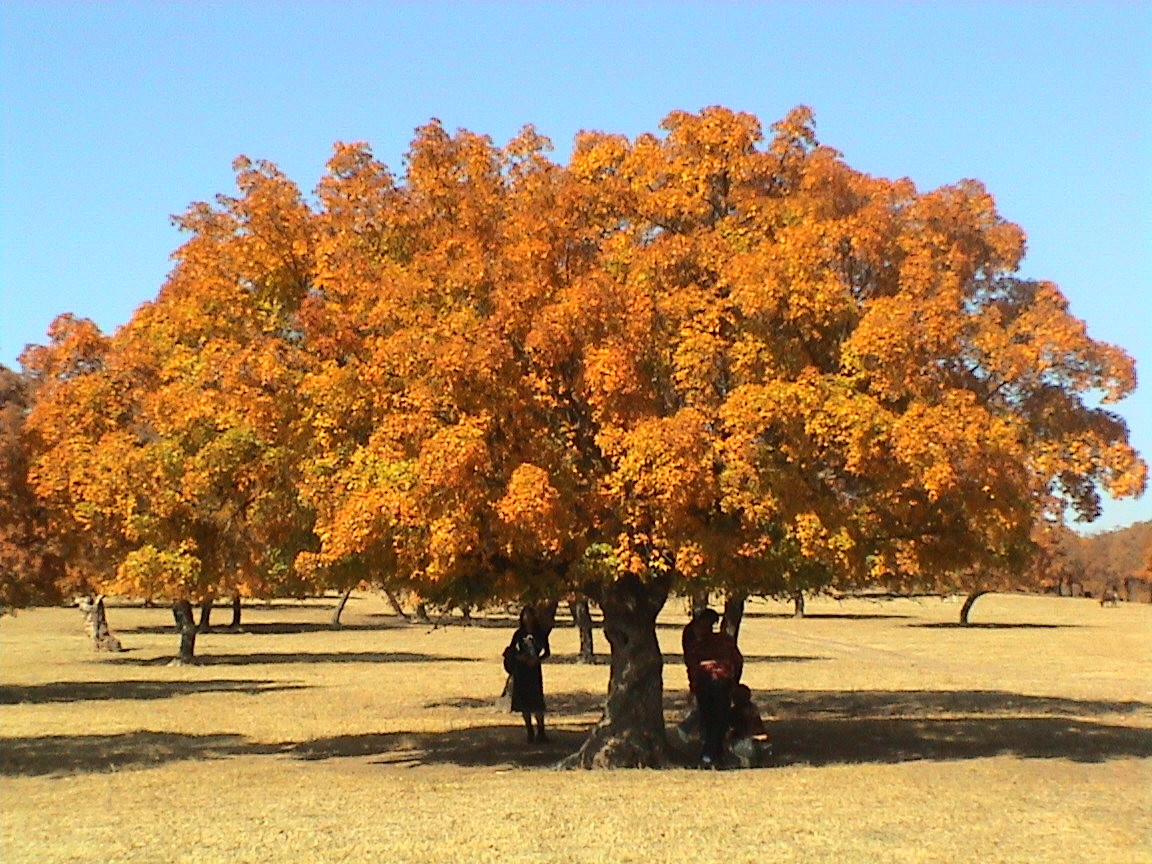
Elegant maple is a small deciduous tree from eastern China, grown mainly as a bonsai subject and as a garden tree in mild climates. Leaves are five-lobed, deeply cut and glossy, opening bronze in spring, turning dark green in summer and orange-scarlet in autumn.
In the ground the tree reaches 6-10 m, with a rounded crown and smooth grey bark that becomes lightly fissured with age. As a bonsai it is trained to 20-40 cm, where the leaf size reduces and the autumn colour becomes the main event of the year.
Acer elegantulum is closely related to the Japanese maple and is often sold as a Chinese form of it. It comes from mountain woodland in eastern China, where it grows in cool, humid conditions under a canopy of larger trees, which is the environment a bonsai has to imitate.
Science & Biotechnology
The autumn colour comes from anthocyanins synthesised in the leaf as chlorophyll breaks down, and the intensity depends on cool nights and bright days. A tree kept too warm in autumn will turn dull brown instead of red, which is the most common reason a bonsai fails to colour.
Maples are wind-pollinated and insect-pollinated at once, and the winged samara is a fruit rather than a seed: the wing is an adaptation for dispersal, and the seed inside is viable for only a season or two. Fresh seed germinates well; stored seed needs stratification.
The genus Acer contains around 130 species, and the Chinese maples are less studied than the Japanese ones. Acer elegantulum has been moved between sections more than once as molecular work has clarified its relationships, and it remains a minor species in cultivation outside China.
Uses & Benefits
Elegant maple is a bonsai subject first: its small leaves, fine branching and strong autumn colour suit the small-scale training that bonsai requires. It is also grown as a specimen tree in a small garden, where its size and its autumn colour are manageable.
In China the species is used in traditional planting around temples and courtyards, and its wood is used for small implements. Commercially the seed is sold to bonsai growers, and the plant is a specialist item rather than a mainstream nursery tree. The seed is also used to raise rootstock for grafting named cultivars, which is how the trade multiplies a good clone.
Growing from Seed
Sow in autumn or stratify for eight to twelve weeks at 3-5°C before spring sowing. Sow 1 cm deep in a free-draining mix, and germinate at 15-20°C in a cold frame. Fresh seed gives the best results, since viability drops quickly in storage.
For bonsai, grow the seedling in a deep pot for two years to build a trunk, then begin wiring in the third winter. Repot every two years in early spring, using a mix of akadama, pumice and grit. Keep the tree in light shade in summer, protect it from wind, and feed with a balanced fertiliser until midsummer, then with a low-nitrogen feed to encourage autumn colour.
Our Take
A maple for growers who want something less common than the Japanese species, with the same autumn colour and a finer leaf.
Related Reading
If Elegant Maple appeals to you, these related plants are worth a look: