


Tabernaemontana alternifolia Seeds | Indian Tabernaemontana
LATIN NAME: Tabernaemontana alternifolia
COMMON NAME: Indian Tabernaemontana
Plant Profile
Tabernaemontana alternifolia is a shrub of the Western Ghats and the Indian islands, and its story is mostly a story about a name. The plant was described by Linnaeus as alternifolia, implying alternate leaves, and gardeners and botanists have spent two centuries pointing out that its leaves are opposite.
A formal proposal was made to conserve the later name heyneana, on the grounds that the original type was an illustration rather than a specimen and that the epithet described the plant wrongly. The committee rejected the proposal, so the technically accurate name lost and the historical one stood, which is how nomenclature works more often than outsiders expect.
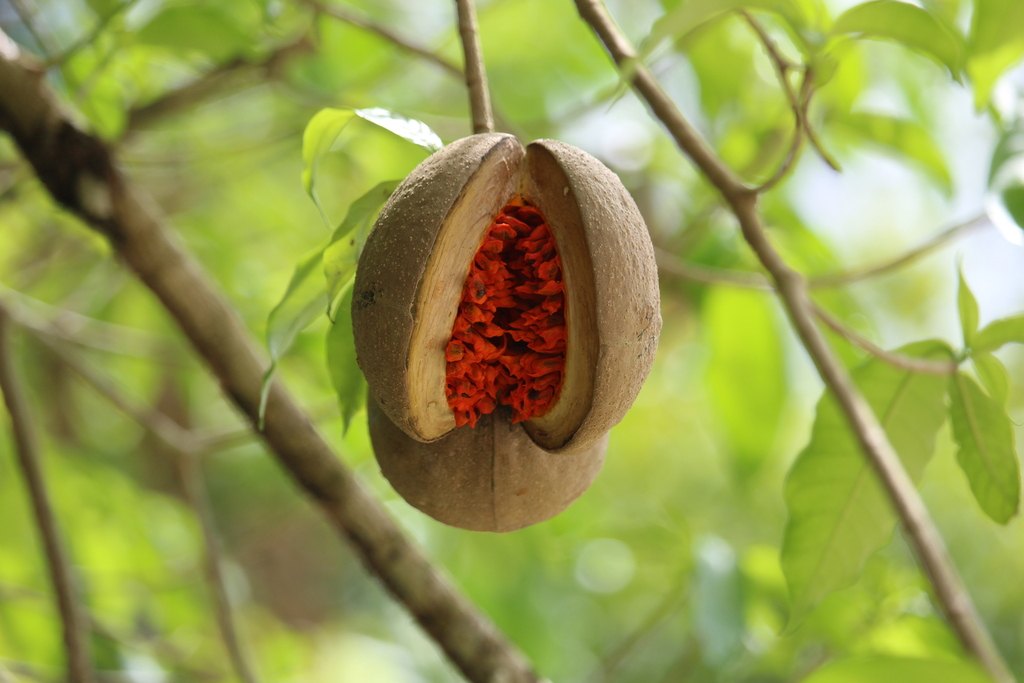
The plant itself is a large shrub or small tree with glossy opposite leaves, terminal clusters of white salverform flowers with a tubular corolla, and paired slender follicles that split along one seam to release seeds wrapped in a brightly coloured aril. The buds are held in overlapping green bracts that fall as the flowers open, and a stem in bloom carries them at every stage.
The genus was named for Theodor Tabernaemontanus, a sixteenth-century German herbalist, and it holds about a hundred species across the Old and New World tropics. Several are widely grown as ornamentals; this Indian one is not among them, and it was assessed as threatened under its older name in the 1998 red list. The rest of the Apocynaceae here runs to Cynanchum chinense, Chonemorpha grandiflora and Catharanthus roseus.
Science & Biotechnology
Apocynaceae is a family of chemical defences, and Tabernaemontana is one of its richest genera for indole alkaloids. Close relatives have yielded compounds studied as antitumour and antimalarial agents, and the latex of the genus contains the same class of substances that makes the family generally unpalatable to grazers.
The fruit is the family’s signature in its cleanest form: two follicles from one flower, each splitting longitudinally when dry, each carrying a row of seeds whose aril is built for bird dispersal. The aril is the reward, the follicle is the package, and the combination is why the genus reaches oceanic islands as readily as it does.
Observation records peak in April, with a scatter through the rest of the year, which fits a plant of the monsoon-flowering Western Ghats. The bulk of the records come from south-western India, with a smaller number from the Andaman and Nicobar chain where the species is also recorded.
Uses & Benefits
In Indian practice the genus has a long medicinal record, and several Tabernaemontana species are used for wounds, fevers and eye complaints. The alkaloid content is real and the traditional use is not baseless, but no modern trial has validated this particular species, and the plant should not be treated as a proven remedy.
As an ornamental it is a handsome shrub for the frost-free garden: evergreen, cleanly shaped, and flowering over a long season with the faint sweetness typical of the family. It is grown in Indian gardens and parks more than in Western ones, and material reaches collectors through Indian nurseries rather than the usual seed trade.
The latex is milky and mildly irritating, as in most of the family, and the plant should be handled with gloves when pruning. There is no food use, and the seeds’ aril, though colourful, is not edible in any recorded sense.
Growing from Seed
Sow fresh. The arilled seeds of Apocynaceae germinate best soon after the follicle splits, and they deteriorate in dry storage within months. Clean off the aril, which inhibits germination and invites mould, and sow in a warm, free-draining mix at twenty-five to thirty degrees.
Germination is spread over three to six weeks, and the seedlings are fast once past the first pair of leaves. Grow them shaded and humid for the first season; a young plant stressed by sun or drought rarely recovers the clean shape that makes the shrub worth growing.
Pot on before the roots circle, and pinch the young plant once to force branching, because an unpinched seedling makes a single leggy stem. Plant out only in frost-free conditions, in soil that stays moist but never waterlogged, and expect flowers in the second or third year.
Our Take
This is a plant whose main claim on a gardener’s attention is its biography: a Linnaean name, a rejected conservation proposal, a threatened-status assessment filed under the wrong name, and a correct name that everyone agrees describes the wrong character.
Grow it for the shrub rather than the story, if you have the climate: it is a clean, white-flowered, shade-tolerant plant that asks for warmth and nothing else. The scarlet-seeded follicles splitting open in autumn are the detail that makes it worth the trouble.
Related Reading
Readers interested in Indian Tabernaemontana frequently explore these as well: