


Cuminum cyminum Seeds | Cumin
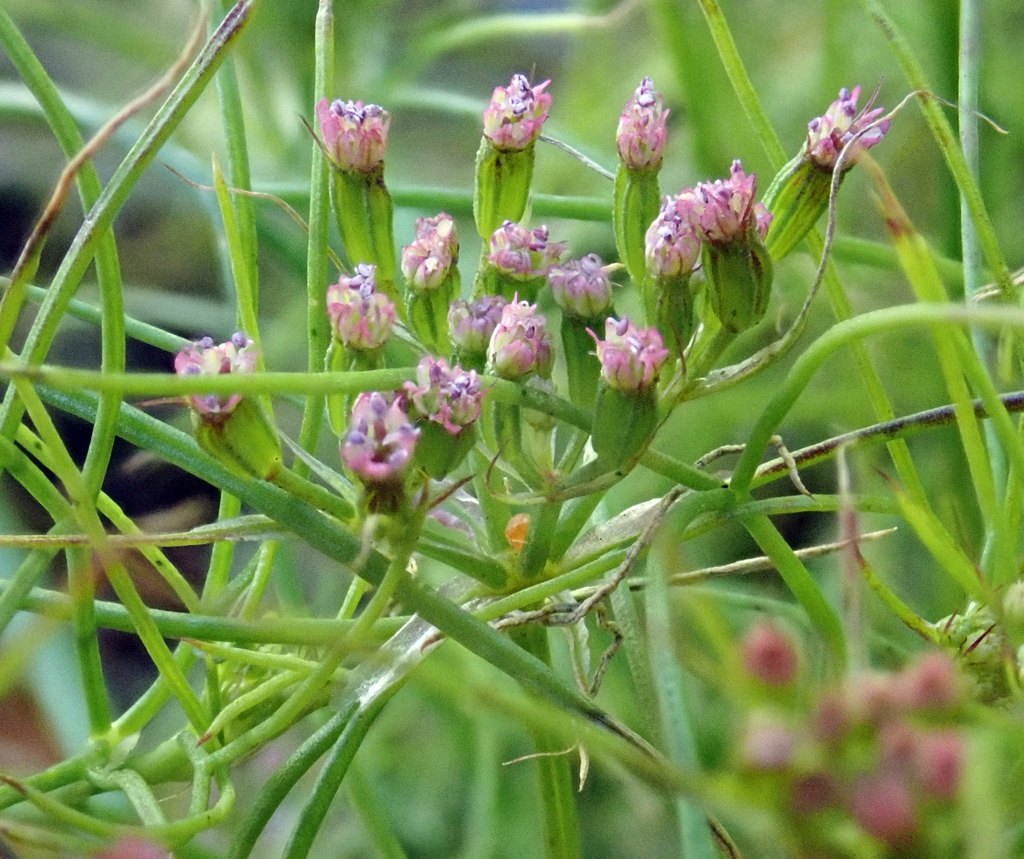
LATIN NAME: Cuminum cyminum
COMMON NAME: Cumin
Plant Profile
Cumin is a small annual in the carrot family, growing 20 to 30 cm tall with finely divided, thread-like leaves and a thin, branching stem. It is native to the Irano-Turanian region, the belt of steppe and semi-desert that runs from eastern Turkey through Iran and into Central Asia, and it has been cultivated so long that wild populations are hard to pin down.
The part used is the fruit, which is dried and sold whole or ground. Each fruit contains a single seed, so the spice is universally called a seed, and the distinction matters only when you are trying to understand what the plant is doing. Fellow Apiaceae members here: Orlaya grandiflora, Bupleurum rotundifolium and Heracleum hemsleyanum.
The name has travelled further than the plant. English took it from Middle English comyn, from Old English cymen, from Latin cuminum, from Greek kyminon, which was borrowed from a Semitic source related to Hebrew kammon and Arabic kammun. Those in turn trace back to Akkadian kamunu and ultimately to Sumerian gamun, which makes it one of the oldest spice words still in daily use. It is also one of the spices that suffers most from being bought ground, because the aroma fades within a few months of milling.
Science & Biotechnology
The characteristic smell comes from cuminaldehyde, which makes up a large share of the essential oil, supported by smaller amounts of p-cymene and terpenes. It is a dry, warm, slightly bitter aroma that behaves differently from coriander, its close relative, and the two are rarely interchangeable despite looking similar on a shelf.
The plant is a short-season crop, needing roughly 100 to 120 days from sowing to harvest, and it is grown as a winter crop in India and as a summer crop in the temperate north. It tolerates drought and poor soil but not waterlogging, and it is usually grown on residual moisture in regions with under 300 mm of annual rainfall.
The medicinal claims are old and the evidence is thin. Cumin has a long history in traditional medicine, and it is a common ingredient in digestive preparations, but there is no high-quality clinical evidence that it is effective for any of the conditions it is used for.
Uses & Benefits
Cumin is one of the few spices that appears, in some form, in almost every major culinary tradition between Mexico and China. It is the backbone of North African, Middle Eastern, Indian and Mexican cooking, and it is used whole, crushed or ground, always toasted to wake up the oil.
It is also the base of several spice blends: garam masala, baharat, ras el hanout, taco seasoning, and the Dutch kruidnagel mixes that carried it into northern European baking. The seed is also distilled for oil, used in perfumery and in some liqueurs.
In the garden it earns a place as a insectary plant. The small white umbels are shallow and open, and they attract the tiny parasitic wasps and hoverflies that do much of the pest control in a vegetable plot. India grows most of the world crop, with Gujarat and Rajasthan supplying the bulk of it.
Growing from Seed
Cumin is direct-sown and resents transplanting, because the taproot is long and the plant never recovers from being checked. Sow in early spring, once soil is above 10 °C, at 1 cm deep in rows 25 cm apart, and thin to 10 cm.
It needs a long, warm, dry finish. In a wet summer the plants produce leaf and little seed, and in a cool one the seed does not ripen. Grow it in the poorest, best-drained ground you have, and do not feed it: rich soil gives you foliage at the expense of the crop. In a cold climate, start it in modules under glass and transplant while the taproot is still short, accepting that a few will sulk.
Harvest when the fruits turn brown but before they shatter, which happens fast. Cut the plants at ground level, bundle them and hang them upside down over a cloth, and thresh when fully dry. The window between ripe and gone is a matter of days, so check daily once the colour turns.
Our Take
Cumin is worth growing once for the smell alone. Freshly dried seed, crushed in a mortar, is a different ingredient from the dusty jar at the back of the cupboard, and the difference is bigger than it is for most spices. The crop is small and the harvest is fiddly, but a metre of row will give you more than you can use in a year. It is also the cheapest spice to grow and the easiest to waste.
Related Reading
Readers interested in Cumin frequently explore these as well: