


Pennisetum glaucum Seeds | Pearl Millet
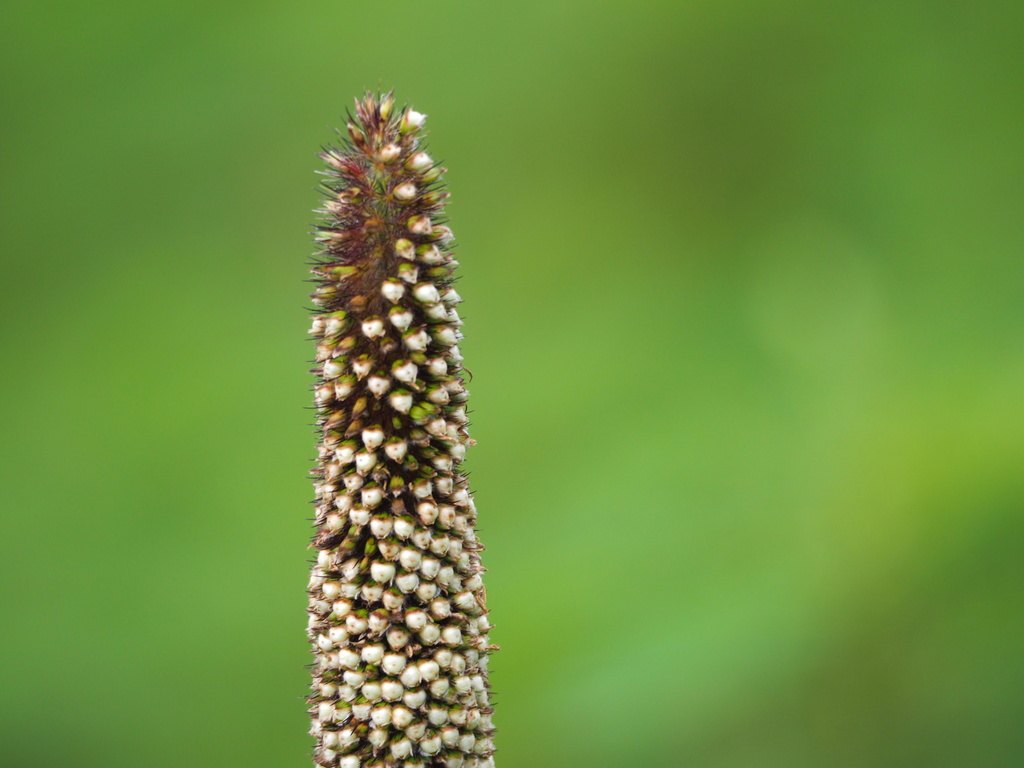
LATIN NAME: Pennisetum glaucum
COMMON NAME: Pearl Millet
Plant Profile
Pearl millet is the most widely grown of the millets, and it has been cultivated in Africa and the Indian subcontinent since prehistoric times. The centre of diversity, and the most likely place of domestication, is the Sahel zone of West Africa, the semi-arid belt south of the Sahara where rainfall is unpredictable and temperatures are extreme.
The grain is the largest of any millet, 3 to 4 mm long, and it comes in nearly white, pale yellow, brown, grey, slate blue and purple. A thousand seeds weigh anywhere from 2.5 to 14 g, with an average around 8 g, which is a spread wide enough to reflect how differently the crop behaves across its range.
Height varies just as much: from 0.5 m in the shortest cultivars to 4 m in the tallest. The world collection is probably more variable in physical characters than any other millet, and breeders still draw on it for drought tolerance and disease resistance. Closest relatives on the list are Pennisetum villosum, Pennisetum setaceum and Melinis nerviglumis.
Science & Biotechnology
Pearl millet is a C4 grass, which is the photosynthetic route that lets it keep working at temperatures and light levels that would shut down a C3 crop. Combine that with a deep, fibrous root system and a short growing season, and you have a plant that will produce grain on 250 mm of rain in a place where maize would fail outright.
The crop’s main disease problem is downy mildew, and resistance breeding has been one of the real successes of the last fifty years. Improved hybrids and open-pollinated varieties carrying resistance have replaced a great deal of local landrace material across India and West Africa, which has raised yields and narrowed the genetic base at the same time.
The grain has no gluten, and it is eaten as porridge, flatbread and couscous across the Sahel. In India it is the flour behind bajra roti, a staple of Rajasthan and Gujarat, and it is malted for traditional beer in parts of Africa. The grain is normally milled rather than eaten whole, and in the Sahel that milling is still done by hand at home, work that falls mostly to women and sets a hard limit on how much a family can process.
Uses & Benefits
As food it is a staple for hundreds of millions of people, and it is one of the few cereals that will grow where sorghum struggles and maize dies. The grain stores well, which matters in places with one harvest a year, and it can be milled at home.
The stover, the dry stems and leaves left after harvest, is feed for cattle and goats through the dry season, and in much of the Sahel it is as valuable as the grain. Gardeners know a different version of the plant. Purple-leaved ornamental cultivars, selected for dark foliage and long bristled heads, have become a fixture of late-summer borders and cut-flower work, and they are grown from the same species.
The crop has its pests, and in northern Nigeria the worst are blister beetles of the genus Hycleus, which feed on the flowers and can strip a field before grain fill. A stem borer, a head caterpillar and a group of panicle-feeding insects do the rest of the damage, and the plant’s short season leaves little room for recovery.
Growing from Seed
Sow when soil is above 20 °C and the risk of cold nights has passed. Pearl millet is direct-sown, 2 cm deep, in rows 45 to 60 cm apart, and it germinates within a week in warm ground. It will not tolerate a cold start.
It needs little attention once established. Thin to 20 cm, keep the weeds down for the first month, and then leave it: the crop is adapted to poor soil and low rainfall, and extra nitrogen mostly produces taller stems that lodge.
Harvest the heads when the grain is hard and the back of the head has turned from green to straw. Cut the heads with a short piece of stem, dry them in the sun or a warm room, and thresh by rubbing. Ornamental types can be cut earlier, when the bristles are fully coloured, and dried for arrangements.
Our Take
For a gardener in a temperate climate, this is an ornamental first and a crop second, and there is no shame in that. The purple forms are genuinely striking in September, and they hold their colour when dried. For anyone farming dry ground, though, pearl millet is not a novelty: it ranks among the few things that will feed a family through a bad year.
Related Reading
Continue exploring with these related plants: