Wholesale Plant seeds,Alive roots,Medicinal herbs,medicinal materials.Mass production.

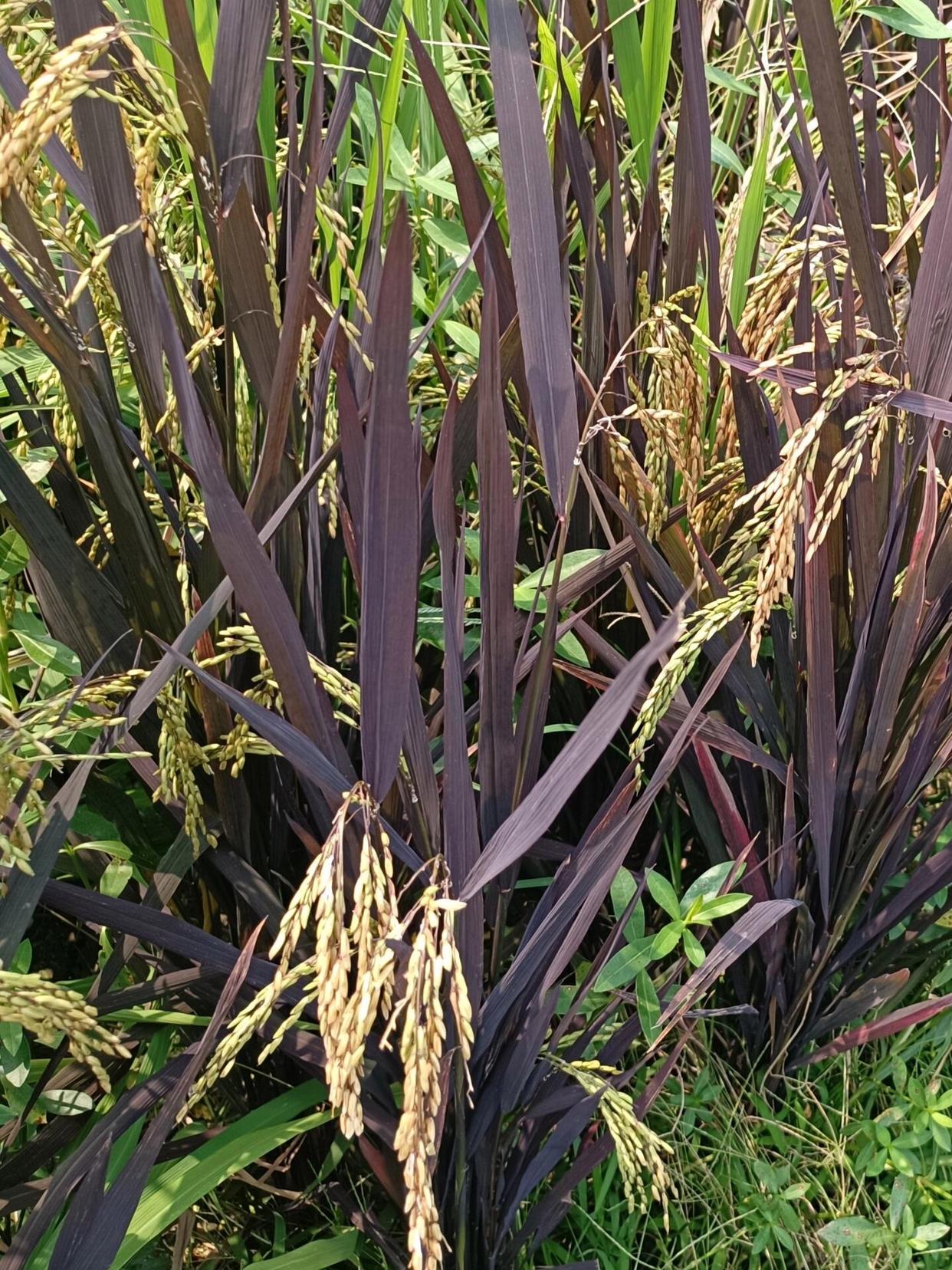
Oryza sativa seed Black Madras rice seed

Oryza sativa (Black Madras Rice): Its Uses, Benefits, and Cultural Significance
If you’ve ever wandered through a specialty grocery store or a local farmers’ market, you might have come across a striking variety of rice—small, glossy grains that range from deep black to rich purple, almost like tiny pieces of polished onyx. That’s Black Madras rice, a unique cultivar of Oryza sativa, the same species that gives us the white and brown rice we eat every day. But unlike its more common counterparts, Black Madras rice has a distinct identity, shaped by centuries of use, unique nutritional benefits, and even a touch of cultural mystique.
First, let’s clear up a common mix-up: Black Madras rice is often called “forbidden rice,” but it’s not the only variety with that nickname. Historically, many black rice varieties were reserved for royalty in ancient China and parts of India because of their rarity and perceived health benefits, which is where the “forbidden” label comes from. Black Madras rice, specifically, hails from the Indian subcontinent—its name hints at its connection to the Madras region (now Chennai) in Tamil Nadu, where it has been grown for generations, both as a food source and for its ornamental value.
When it comes to uses, Black Madras rice is surprisingly versatile, though it does require a little extra care in cooking compared to white rice. Unlike white rice, which has had its bran and germ removed, Black Madras rice is a whole grain—its dark color comes from the thick, nutrient-rich bran layer that covers each grain. This bran layer means it takes longer to cook; most people soak it for 30 minutes to an hour before boiling, which softens the bran and cuts down the cooking time to around 30-40 minutes. The result is a grain that’s chewy, slightly nutty, and has a subtle earthy sweetness—nothing like the fluffy texture of white rice, but equally satisfying in its own way.
Culinary use is where Black Madras rice really shines, especially in South Indian cuisine. In Tamil Nadu, it’s a staple in traditional dishes like “kavuni arisi payasam,” a creamy pudding made with coconut milk, jaggery, and cardamom—perfect for festivals or special occasions. It’s also used in savory dishes: mixed with vegetables and spices for a hearty pilaf, added to salads for a pop of color and texture, or even used as a base for sushi (its deep purple hue makes for a striking presentation). I’ve even tried it in a simple side dish, tossed with a little ghee, salt, and a squeeze of lemon, and it pairs beautifully with curries or grilled meats. What’s nice is that it doesn’t overpower other flavors—it complements them, adding a subtle depth that plain white rice can’t match.
Beyond its taste, the real magic of Black Madras rice lies in its health benefits. That dark bran layer is packed with nutrients that most refined rice lacks. It’s rich in anthocyanins—powerful antioxidants that give blueberries and blackberries their color, and here, they give the rice its deep hue. These antioxidants help fight free radicals in the body, which can reduce oxidative stress and lower the risk of chronic diseases. I’ve read that a single serving of Black Madras rice has six times more antioxidants than white rice, which is pretty impressive.
It’s also a great source of fiber, which aids digestion and keeps you feeling full longer—perfect if you’re trying to eat more mindfully. Unlike white rice, which can cause blood sugar spikes, Black Madras rice has a lower glycemic index, making it a better choice for people managing type 2 diabetes. It also contains iron, magnesium, and B vitamins, as well as gamma-oryzanol, a compound that helps lower cholesterol and support heart health. My grandmother, who has always been conscious about her diet, swears by it—she eats a small bowl every day and says it keeps her energy levels steady throughout the day.
But Black Madras rice isn’t just for eating. It also has ornamental uses, which is something many people don’t know. Because of its striking dark color and tall, graceful stalks (it grows to about 30-150 cm tall, with narrow, hairy leaves), it’s often grown in gardens as a decorative plant. It adds a bold contrast to lighter-colored flowers and foliage, and it’s especially popular in water gardens or container plantings. I’ve seen it in a friend’s backyard, mixed with green ferns and purple flowers, and it looks absolutely stunning—proof that this plant is as beautiful as it is useful.
Culturally, Black Madras rice holds a special place in many South Indian communities. It’s often used in religious ceremonies and festivals, symbolizing abundance, prosperity, and good fortune. In some villages, it’s still grown using traditional, sustainable farming methods—no chemical fertilizers or pesticides—which preserves its natural flavor and nutritional value. It’s also a reminder of the region’s agricultural heritage; for generations, farmers have tended to this rice, passing down knowledge about how to grow it and cook it. In recent years, there’s been a renewed interest in heirloom grains like Black Madras rice, as people look for more nutritious and sustainable food options.
One thing to note is that Black Madras rice is not as widely available as white or brown rice, and it’s a bit more expensive—mostly because it’s grown in smaller quantities and requires more care during harvesting (the bran layer is delicate and can be easily damaged). But it’s worth seeking out, whether you’re looking to add more nutrients to your diet, experiment with new flavors, or simply enjoy a grain with a rich history and unique character.
In the end, Black Madras rice is more than just a type of rice—it’s a plant with a story. It’s a bridge between traditional and modern diets, between ornamental beauty and practical use, between cultural heritage and everyday nutrition. Whether you’re cooking it into a sweet pudding, a savory pilaf, or growing it in your garden, it’s a reminder that even the most humble plants can have a profound impact on our lives. Next time you’re looking for something a little different in the rice aisle, give Black Madras rice a try—you might just fall in love with its nutty flavor, vibrant color, and all the good it does for your body.


Oryza sativa seed Black Madras rice seed


Prev: