


Zanthoxylum tibetanum Seeds | Tibetan Prickly Ash
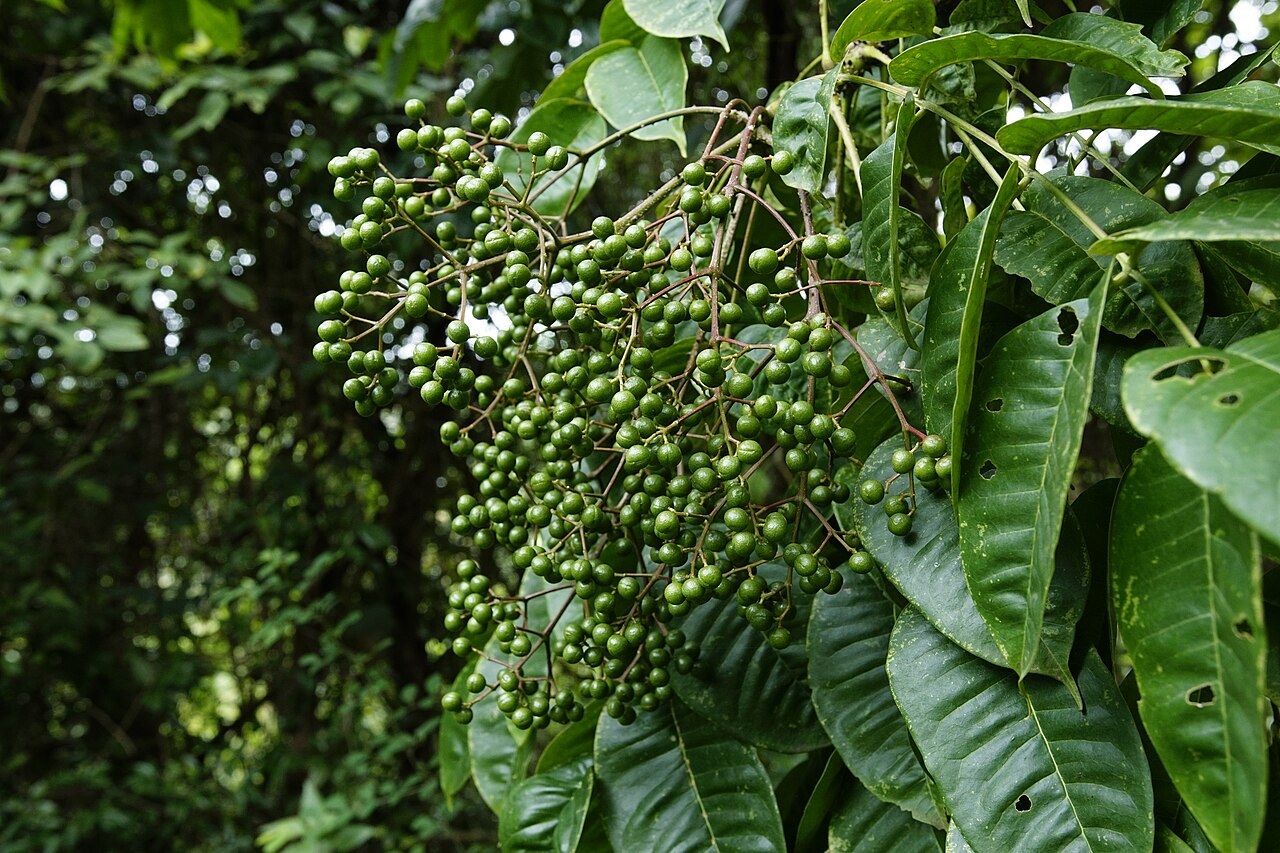
LATIN NAME: Zanthoxylum tibetanum
COMMON NAME: Tibetan Prickly Ash
Plant Profile
Zanthoxylum tibetanum is one of the Himalayan prickly ashes, a shrub or small tree of the eastern mountains described by the Chinese botanist Huang Chengchiu in the 1970s. Its name places it in Tibet, and its range reaches much further, from Nepal and Bhutan across northeastern India to Yunnan and northern Myanmar.
The plant carries the genus’s defences openly. Stems and leaf rachises bear prickles, some of them broad and corky at the base, and the pinnate leaves of five to eleven leaflets are dotted with the translucent oil glands that give the family its citrus smell when crushed. Even the foliage is armed, which makes the shrub tedious to weed around and safe from most browsing animals.
Flowers are small, greenish and unshowy, borne in clusters, and the plants are dioecious, with male and female flowers on separate individuals. From the female flowers come the fruits that make the genus worth growing: small red follicles that split to reveal a single glossy black seed.
Its habitat is montane thicket and forest edge in the eastern Himalaya, generally between a thousand and three thousand metres, in the cloud belt where the air is damp and the light is soft. Field records of the species are sparse, and its appearance in herbaria is patchy.
Science & Biotechnology
The genus’s famous chemistry is the tingling. Hydroxy-alpha-sanshool and its relatives, the alkylamides responsible for the electric buzz of Sichuan pepper, act on nerve channels in the mouth, producing a vibration at around fifty cycles per second that is unlike any other spice sensation.
The essential oil in the pericarp carries linalool, limonene and related terpenes, which is the citrus-floral side of the flavour, and the seeds themselves are bitter and contain the toxic alkaloids that make the genus a medicinal plant as well. The split between the aromatic pericarp and the bitter seed is why cooks discard the black seeds.
The genus’s taxonomy is unsettled at the margins. Zanthoxylum is one of the largest genera in the citrus family, its species separated on foliage, fruit and prickles, and several of the Himalayan names have been treated as synonyms of more widespread species by different authorities, so records under a single name may hide more than one plant. Related plants on the list: Zanthoxylum bungeanum, Citrus macrophylla and Dysoxylum gotadhora.
Uses & Benefits
In the mountains of its range the dried pericarp is used as a spice in the way other prickly ashes are used elsewhere, toasted and ground into chilli oils and pickles for its citrus perfume and numbing heat. Local cooks treat it as one of the region’s pepper substitutes, and the harvest is a small household one, gathered from hillside shrubs rather than bought in quantity.
Chinese medicine lists prickly ash pericarp for cold pain, toothache and digestive complaints, and the roots and stems of several species are used for rheumatism. This species belongs to that broad practice rather than to a specific pharmacopoeia entry, and its standing rests on local use rather than on clinical study.
In the garden the plant is for the patient collector: a spiny, aromatic shrub for a sheltered warm site, grown for its foliage, its red autumn fruit and its place in a collection of useful Rutaceae. It is not a plant for a small border or an impatient gardener, and it punishes careless pruning with a full week of scratched hands.
Growing from Seed
Zanthoxylum seed is hard-coated and doubly dormant in many species, needing both scarification and a cold period. Clean the seed from the red pericarp, soak it for a day, then stratify in damp sand for two to three months before sowing warm in spring.
Germination is slow and erratic, and the seedlings are small and spiny from the start. Grow them in deep pots in a frost-free frame for their first two years, then plant out into a sheltered site with sharp drainage and light shade for the first season.
Because the plants are dioecious, a seed crop gives males and females in roughly equal numbers, and only the females fruit. Grow several to be sure of a harvest, prune lightly to keep the frame open, and handle the stems with gloves, for the prickles are earnest.
Our Take
This is a plant for the collector of useful oddities: a Himalayan shrub with corky armour, aromatic foliage, red follicles and a chemistry that makes the mouth buzz. It is not ornamental in the conventional sense and does not pretend to be, but the combination of spice, spines and mountain provenance gives it a character all its own.
Stratify the seed through winter, raise plants in pots for two years, and site them warm and sheltered. Grow several for the dioecious sexes, keep your gloves on at all times, and the autumn follicles will repay the patience with interest.
Related Reading
If Tibetan Prickly Ash appeals to you, these related plants are worth a look: