


Alopecurus aequalis Seeds | Shortawn Foxtail
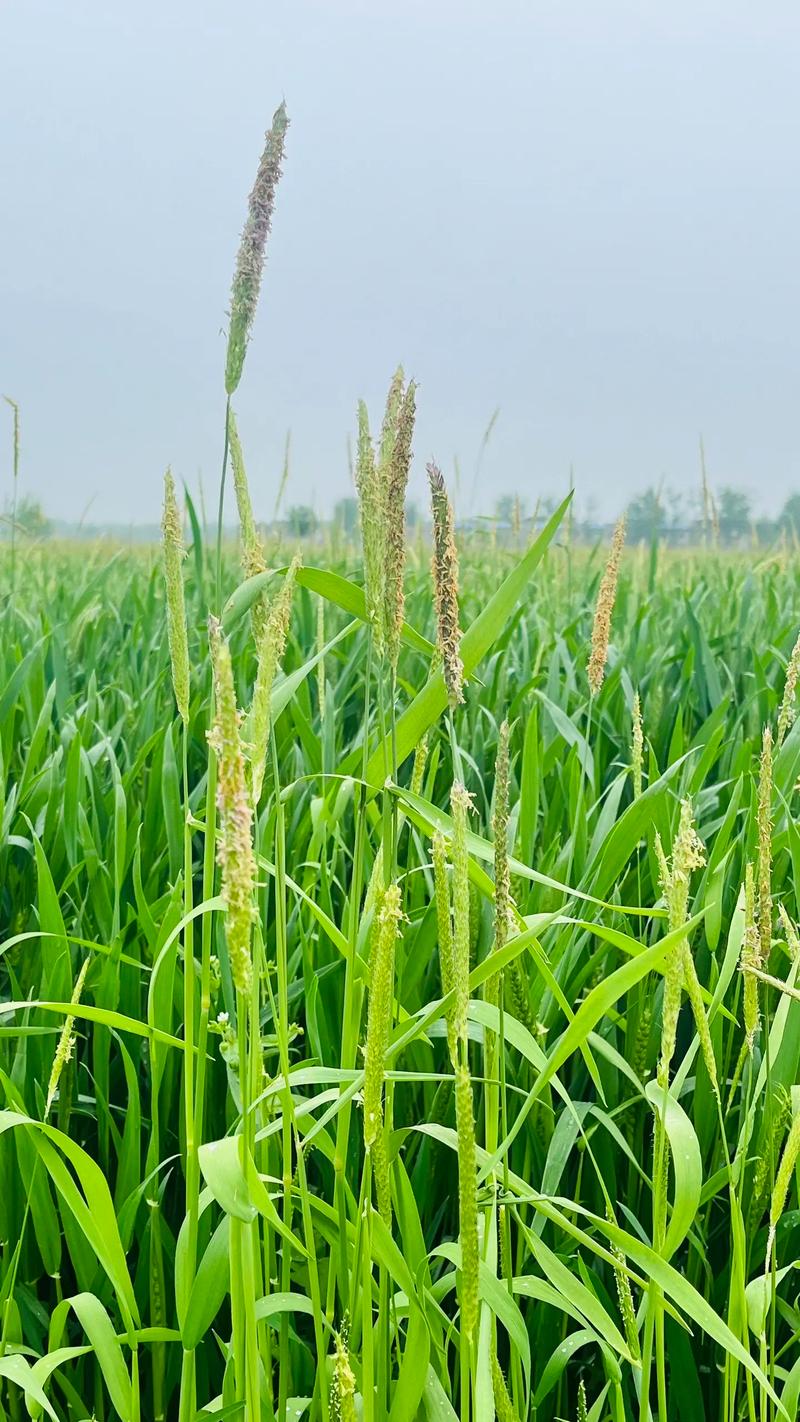
LATIN NAME: Alopecurus aequalis
COMMON NAME: Shortawn Foxtail
Plant Profile
Shortawn Foxtail (Alopecurus aequalis) is a tufted perennial grass of the family Poaceae, native to the wet meadows and stream margins of the northern hemisphere. It grows 20-60 cm tall, with smooth, flat blades and soft, cylindrical, silvery-green flower spikes through summer. A characteristic grass of damp pastures and pond edges, it provides grazing and cover for wetland wildlife.
Science & Biotechnology
As part of the Alopecurus group, Alopecurus aequalis contributes to research on plant classification and adaptation, while nurseries and gardeners continue to trial it for cultivation. Because shortawn foxtail reliably occupies genuinely wet, poorly drained ground, it is frequently used by wetland ecologists as an indicator species when assessing hydrology and habitat quality across temperate wetland and riparian survey sites. Continuing work by breeders and collectors keeps good seed of this species moving through the trade.
Uses & Benefits
Shortawn Foxtail brings genuine presence to the garden and earns its keep across the growing season. Shortawn foxtail contributes to wetland plant communities that filter water, stabilise muddy pond and stream margins, and provide habitat structure for wetland wildlife, making it ecologically valuable well beyond any direct human use. It is sometimes included in wetland restoration seed mixes specifically for its reliability in establishing on genuinely wet, waterlogged ground where many other grasses struggle. Routine care after establishment is refreshingly light.
Like the best garden herbs, it rewards growers twice: once in the garden with scent and pollinators, and again in the home as a traditional household herb.
Growing from Seed
Seed is the natural starting point for Shortawn Foxtail, and the process is uncomplicated. Sow seed onto surface of a consistently wet or waterlogged mix rather than a standard well-drained potting soil, since this species is adapted to germinating directly in shallow water or saturated mud. Bright light suits it well, and once established it tolerates standing water with ease, reflecting its natural wetland habitat. Level a tray of loose seed compost, sow evenly, cover to about the seed’s own depth, and keep it moist in full light. When the young plants are big enough to handle, space them into pots or a nursery row and let them size up before their final move.
Our Take
We rate Shortawn Foxtail as a worthwhile addition for curious gardeners willing to give it the conditions it wants. Given the right conditions described above, it establishes without any special difficulty.
Related Reading
More species in the same orbit as Shortawn Foxtail: