


Datura stramonium Seeds | Stramonium
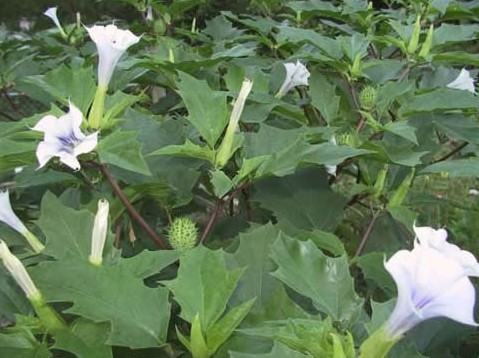
LATIN NAME: Datura stramonium
COMMON NAME: Stramonium
Plant Profile
Known to gardeners as Stramonium, Datura stramonium is a noteworthy species. Pollinating insects take to the flowers at once, adding a little wildlife interest to its garden value. Put simply, this is a rewarding species for anyone willing to give it a suitable spot.
Science & Biotechnology
Research touching on Datura stramonium ranges from the botany of the Datura group to practical horticulture, including seed handling, propagation and the selection of superior forms. Datura stramonium is an important research plant because of its tropane alkaloids, including atropine and scopolamine. Its behaviour in gardens is well recorded, thanks to a long history in cultivation.
Uses & Benefits
Beyond its ornamental appeal, Stramonium has the practical versatility that makes a plant worth growing from seed year after year. Species has historical significance in pharmacognosy, but all parts are toxic and should not be consumed or used as a home remedy. Its principal modern value in a reference collection is botanical, scientific and educational. Routine care after establishment is refreshingly light.
Datura is powerful and dangerous: its tropane alkaloids atropine and scopolamine are medicine-chest drugs in purified, dosed form, yet the plant itself has caused countless poisonings. Grow it for the dramatic trumpets, never for any preparation.
Growing from Seed
Raising Stramonium from seed is straightforward. For controlled research or botanical cultivation, sow seed in a sterile, well-drained medium and cover lightly. Maintain consistent moisture and strong light. Sow the seed evenly over the surface and cover lightly, using a loose, well-drained seed compost, and keep it just moist in bright light until the seedlings are well up. When the young plants are big enough to handle, space them into pots or a nursery row and let them size up before their final move.
Our Take
Its role in herbal practice, noted above, adds depth to an already garden-worthy plant. One honest caution: this plant is not safe to ingest, so it is grown for ornament and interest only. What it needs is basic: sun, drainage, and a little patience while it establishes.
Related Reading
Readers interested in Stramonium frequently explore these as well: