


Mimosa tenuiflora Seeds | Tepescohuite
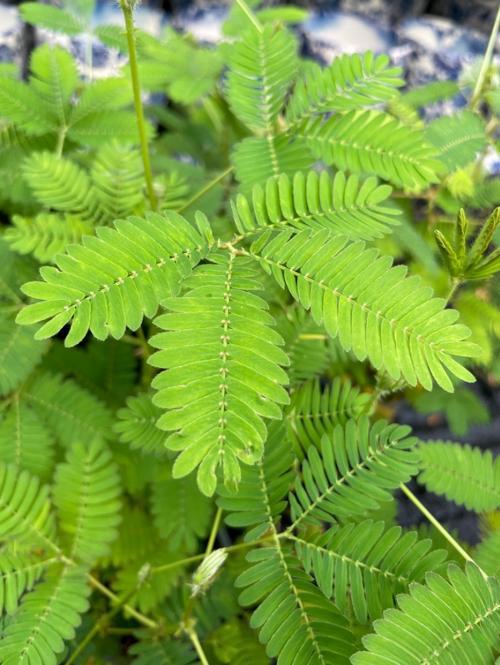
LATIN NAME: Mimosa tenuiflora
COMMON NAME: Tepescohuite
Plant Profile
Mimosa tenuiflora, commonly known as Tepescohuite, is a deciduous tree. Plant steadily develops a rounded crown, often reaching 5-10 metres. It is a tree of full sun and free-draining ground. Mature plants top out at about 5-10 metres. When it flowers, local bees and other insects make good use of it. Gardeners value it precisely for this blend of qualities.
Science & Biotechnology
Within the Mimosa group, Mimosa tenuiflora is of continuing interest to researchers working on plant diversity, seed biology and the selection of improved garden forms. Species has also been studied in forestry and horticulture for its cultivation and its toughness. Little about its garden performance is mysterious; it has been grown and observed for a very long time.
Uses & Benefits
Beyond its ornamental appeal, Tepescohuite has the practical versatility that makes a plant worth growing from seed year after year. Ecologically, jurema is a hero of dry lands. Its fragrant flowers feed bees and other pollinators, its seeds feed birds and small mammals, and its nitrogen-fixing roots and deep, tough growth hold eroding soil, helping to restore degraded land. Its economic value is real and growing. Once it has settled, the workload drops to almost nothing.
The sensitive plant delights with its folding leaves, a classic for children and botanical demonstration; its alkaloids make it ornamental only.
Growing from Seed
Tepescohuite grows readily from seed. Growing a jurema from seed is easy and very rewarding. Seeds sit inside long, flat pods, and they have a hard coat, so soak them in hot water overnight, or nick them gently, before sowing. Sow evenly over the surface and cover lightly into a loose, well-drained seed compost, water in gently, and keep the sowing in full sun with steady moisture. Prick the seedlings out once they are large enough to handle, grow them on in bright light, and plant out when conditions allow.
Our Take
Few garden plants carry such a documented history of use as this one does. Among the Mimosa group, it is one of the more distinctive species in cultivation. Moisture matters most while plants are young; established plants cope with far more.
Related Reading
Gardeners who grow Tepescohuite often pair it with these related subjects: