


Cyphostemma juttae Seeds | Tree Grape
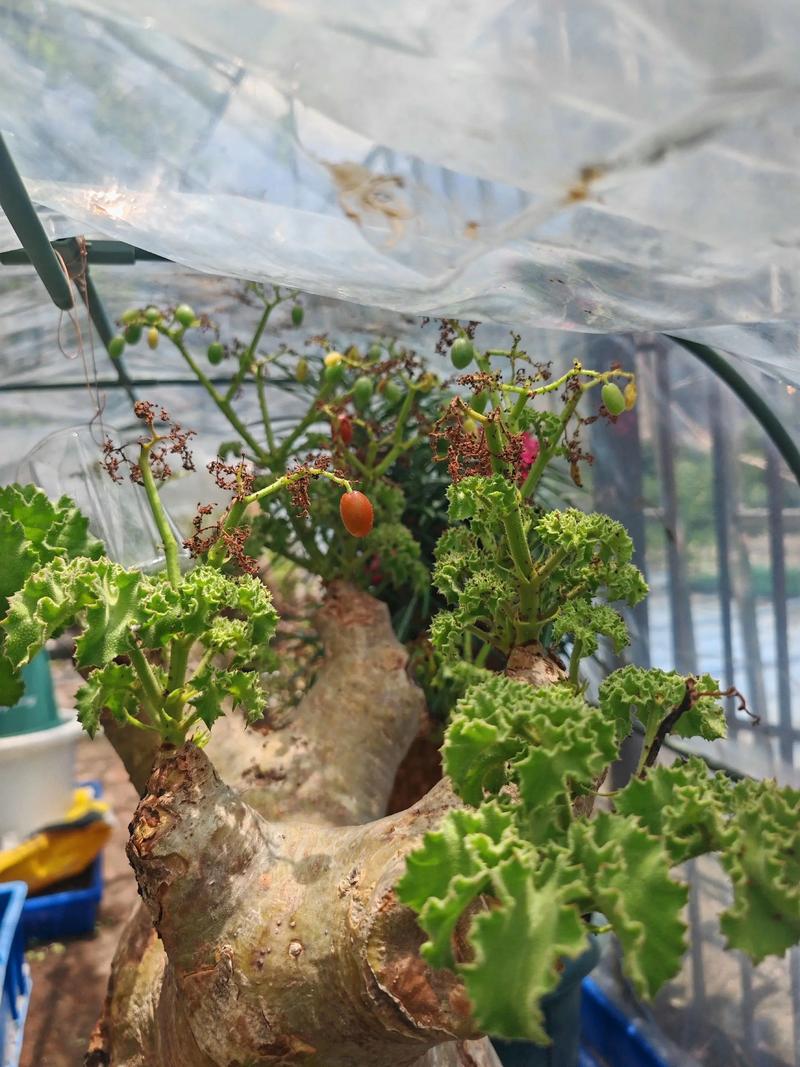
LATIN NAME: Cyphostemma juttae
COMMON NAME: Tree Grape
Plant Profile
A distinctive member of its genus, Tree Grape (Cyphostemma juttae) is a tree in the grape family (Vitaceae), native to namibia and parts of southern Africa, it grows in dry, rocky landscapes where few plants can thrive. Young plant grows into a multi-stemmed clump, to about twelve metres. Site it in full sun, in deep, fertile ground. While it flowers, it feeds a quiet procession of bees and hoverflies. The ratio of effort to reward here is about as good as gardening gets.
Science & Biotechnology
As part of the grape family, Cyphostemma juttae contributes to research on plant classification and adaptation, while nurseries and gardeners continue to trial it for cultivation. Tree grape has a real and distinguished place in the research. A long cultivation history means growers know what to expect from it.
Uses & Benefits
Tree Grape brings genuine presence to the garden and earns its keep across the growing season. Ecologically, tree grape is a generous plant of dry garden. Its dense clusters of small, yellow-green flowers feed bees and many insects, and its dense clusters of small, round, grape-like fruits feed birds and wildlife, while its thick, fleshy trunks give a fine, sculptural presence to dry garden. For a grower, tree grape is a rewarding and treasured succulent, and for a gardener it brings a remarkable, fleshy-trunked, succulent tree to dry garden. Thereafter it wants only the ordinary attentions any garden plant receives.
Like the best garden herbs, it rewards growers twice: once in the garden with scent and pollinators, and again in the home as a traditional household herb.
Growing from Seed
Raising Tree Grape from seed is straightforward. Sow evenly over the surface and cover lightly into a loose, well-drained seed compost, water in gently, and keep the sowing in full sun with steady moisture. When the young plants are big enough to handle, space them into pots or a nursery row and let them size up before their final move.
Our Take
Tree Grape settles in quickly once it finds its footing. Even moisture while the seed is chitting is the main thing; afterwards it largely looks after itself.
Related Reading
Gardeners who grow Tree Grape often pair it with these related subjects: