


Afzelia africana Seeds | African Mahogany
LATIN NAME: Afzelia africana
COMMON NAME: African Mahogany, Doussié
Plant Profile
Known to gardeners as African Mahogany, Afzelia africana is a noteworthy species. Pollinating insects take to the flowers at once, adding a little wildlife interest to its garden value. Not many plants ask so little and repay so much.
Science & Biotechnology
Afzelia africana sits in the Afzelia group, a group that keeps botanists, horticulturists and plant breeders busy with questions of classification, adaptation and ornamental potential. The tree’s seeds and bark also feature in traditional West African medicine, and ongoing ethnobotanical research continues to document these regional uses alongside growing conservation concern about overharvesting pressure on wild populations. Species like this one find a second career as research material, especially in propagation and breeding work.
Uses & Benefits
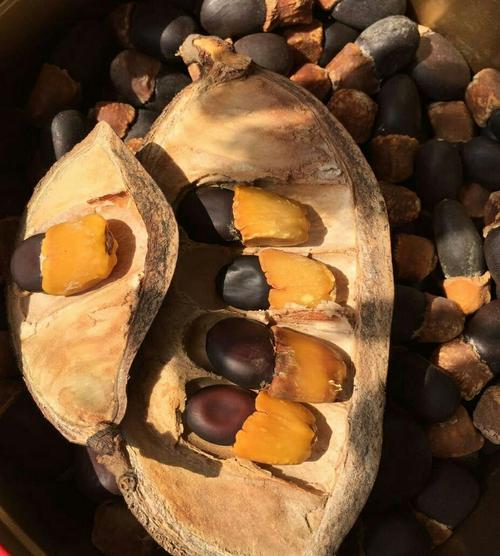
In the garden, African Mahogany earns its place in borders, containers and mixed plantings, and it also rewards growers who raise plants for cutting, drying or kitchen use. Doussié wood is highly prized for furniture, flooring, boat-building and heavy construction thanks to its exceptional durability, making it one of more commercially significant timber trees of West and Central Africa. Bright orange-red seed arils are also used decoratively in some traditional crafts, though sustainable sourcing is an increasingly important consideration given pressure wild populations face from timber demand. A plant that has settled in will get along with only routine care.
A tree like this repays patience for decades: it cools and shelters its surroundings, hosts birds and insects, and stores carbon in timber that outlives its planter.
Growing from Seed
African Mahogany is one of those generous plants that come along well from seed. Nick or lightly sand hard seed coat and soak it in warm water overnight before sowing into a loose, free-draining tropical mix, since this helps water reach embryo and speeds germination. Keep medium warm and consistently moist, provide bright light, and expect slow, steady growth typical of this long-lived savanna hardwood. Sow thinly on the surface of a loose, well-drained seed compost, cover lightly, water in gently and keep the tray in a sunny spot with even moisture. When the young plants are big enough to handle, space them into pots or a nursery row and let them size up before their final move.
Our Take
This is a good pick for enthusiasts looking to diversify a collection, and African Mahogany grows into a genuinely rewarding plant. It takes a little patience from seed, but that slower pace is typical of the species and no cause for concern.
Related Reading
Continue exploring with these related plants: