


Quercus Rubor seed
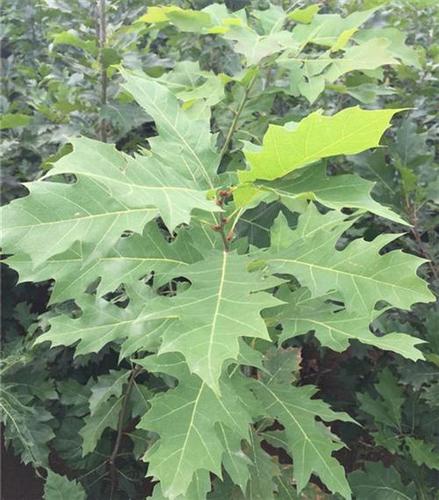
LATIN NAME: QUERCUS ROBUR
COMMON NAME: English Oak
The English oak arches the tall, broad, deciduous tree with the short-stalked leaves with the rounded lobes and the long-stalked acorns with the small caps, the wide crown arching over the open ground, the grey-brown, deeply fissured bark, the leaves turning the gold-brown through the autumn. The tree grows slowly and steadily into the massive, open crown, and it stands the cold, the wind and the dry spells well. It likes the sun, and the deep, well-drained soil.
Scientific Research & Plant Biotechnology
The massive crown of the English oak gives it a recognised place in the research on the European forest oaks of the great oak group, and the robur species appears in the studies of the long-lived woodland trees and the acorn crops. The work looks at the way the wide crown arches over the open ground, the wildlife life it supports, and the seed biology. The foresters value the hard, durable timber, and the growers of the park and timber trees keep the species in their catalogues.
Ecological & Economic Value & Wide Applications
In the park and the woodland, the English oak arches the park with the broad, old crown. The acorns feed the wildlife through the autumn, the hard timber serves the building, the furniture and the barrels for the ages, and the tree makes the fine park specimen. It thrives in the deep, well-drained, sunny ground. Broad-crowned, acorn-fed and centuries-long.
To grow the English Oak from seed, press the acorns into a wide, loamy seedbed in autumn.
Press the acorns into a wide, loamy seedbed, and give the young trees the open, sunny spot. The arching crown comes over the years. , burying them an inch deep, keep the seedbed gently watered, and the young trees awaken over the spring. The arching crown will broaden within a few seasons.
\n\n\n
Quercus rubor, often referred to as English Oak or Pedunculate Oak, is a large deciduous tree native to Europe and Western Asia. This oak species is highly valued for its role in ecosystems and its uses in various industries. Quercus rubor is known for its majestic size, growing up to 70 feet tall, with a broad, rounded crown. The tree has deeply furrowed, dark gray to black bark and produces small, insignificant flowers in spring, followed by its distinctive acorns, which serve as a critical food source for wildlife.
\n\n\n\nThe leaves of Quercus rubor are dark green with lobed margins and a distinctive shape that helps differentiate it from similar species like the American white oak. The tree prefers moist, well-drained soils and full sun, and it is widely cultivated for its ornamental value and adaptability to different soil types.
\n\n\n\nIn terms of uses, English Oak is prized for its durable wood, which is commonly used in the furniture-making industry, for flooring, and for creating wine barrels, due to its excellent aging properties. The acorns also have historical uses in animal feed and traditional food products in some cultures. Moreover, the tree is important for biodiversity, supporting a wide range of herbivorous insects, birds, and other wildlife.
\n\n\n\nThe tree is not only an essential part of natural woodland ecosystems but also holds cultural and economic importance across Europe and North America.
\n