


Platycodon grandiflorus Seeds | Balloon Flower
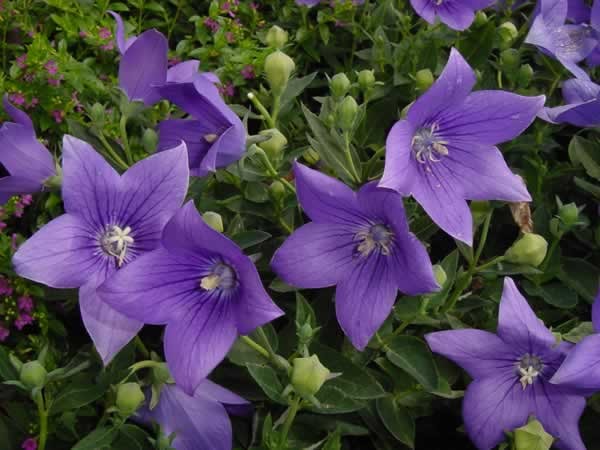
LATIN NAME: Platycodon grandiflorus
COMMON NAME: Balloon Flower
Plant Profile
Known to gardeners as Balloon Flower, Platycodon grandiflorus is a noteworthy species. During flowering it gives bees and other insects a dependable food source. For the small amount of care it requires, the return is remarkable.
Science & Biotechnology
Balloon flower root, jie geng, is standardised on the triterpene saponin platycodin D. The root saponins are potent expectorants — they irritate the gastric mucosa reflexively to increase bronchial secretion, a mechanism documented in pharmacology texts — and show anti-inflammatory and anti-obesity effects in animal models. In Korea the same root is a everyday vegetable (doraji), blanched and seasoned, a reminder that the line between medicine and food here is purely one of dose and preparation. The raw root is too acrid to eat untreated.
Seed science, comparative botany and horticultural selection all touch on Platycodon grandiflorus, a representative of the Platycodon group with clear practical value. Balloon flower’s distinctive inflated bud structure, created by air trapped within the fused petal edges before they separate at opening, has drawn botanical interest in studies of unusual floral bud mechanics across the wider bellflower family. The upshot for anyone sowing it is reassurance — cultivated stock of this plant has a long, well-documented track record.
Uses & Benefits
Balloon Flower works well in borders, containers and dedicated beds. Balloon flower is a popular hardy perennial for borders and cottage gardens, valued above all for its charming, puffed flower buds that provide weeks of visual interest even before flowers themselves open into their striking star shape. Its reliable, undemanding nature and long garden history across East Asia have made it a beloved staple of both Asian and Western perennial borders. It takes hold quickly and asks for no special treatment from then on.
Balloon flower root, Jie Geng, is a major Chinese herb for the lungs and throat, and in Korea the crisp root, doraji, is a beloved seasoned vegetable; its platycodin saponins are studied for respiratory and metabolic effects.
Growing from Seed
Sow fresh seed of Balloon Flower under ordinary good conditions. Sow seed onto surface of a loose, well-drained mix without covering it deeply, since light supports germination, and keep it consistently moist. Full sun to light shade suits this hardy perennial well, and once established it returns reliably year after year, its distinctive inflated buds a dependable early-summer highlight. Use a loose, well-drained seed compost, sow evenly over the surface and cover lightly, and keep everything evenly moist in full sun. Grow the youngsters on steadily in pots until well rooted, then move them to their final positions.
Our Take
The medicinal tradition behind this species, outlined above, is a large part of its interest. Balloon Flower is the kind of plant that rewards a permanent spot. Given full sun and free drainage, it asks for little routine attention.
Related Reading
If Balloon Flower appeals to you, these related plants are worth a look: