Cressa cretica seed
LATIN NAME: Cressa cretica
COMMON NAME: Cretan Cressa
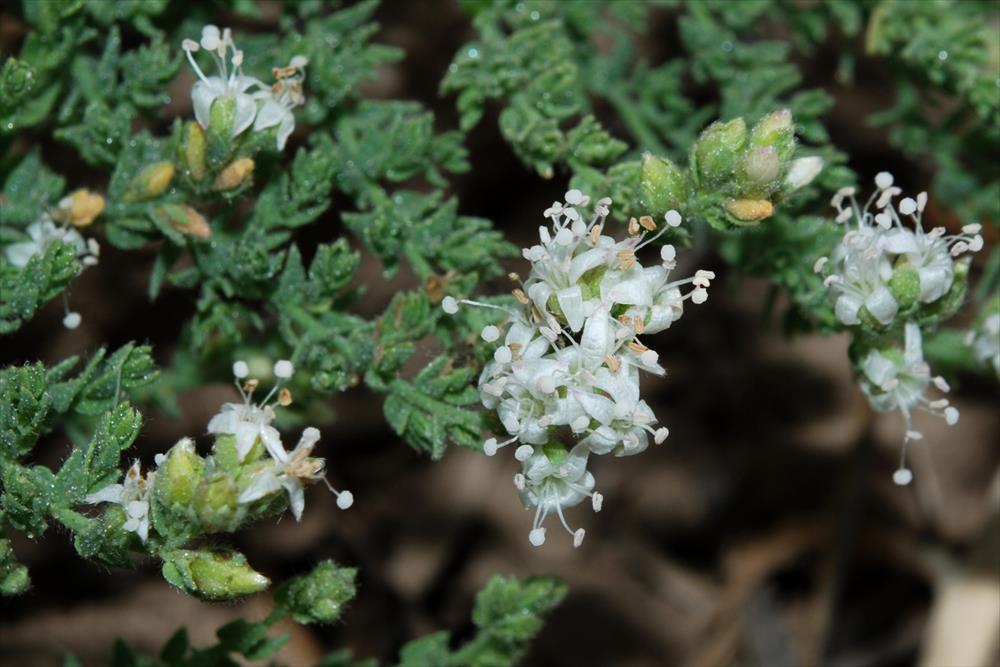
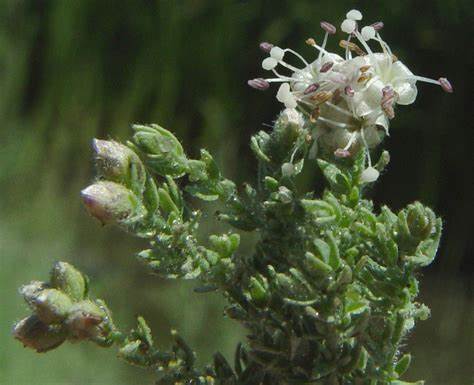
The Cretan cressa trails the slender, wiry stems over the open ground with the tiny, narrow, silky leaves and the small, white flowers, and the whole plant carries the fine, soft, quiet look of the salt flat. The low, sprawling, salt-tolerant, perennial herb carries the slender, wiry, branching stems with the tiny, narrow, oblong, silky, grey-green leaves and the small, white or pinkish, funnel-shaped flowers in the small, axillary clusters through the warm season, one of the fine, quiet sights of the salt flat, drawing the bees, to be followed by the small, round, brownish capsules. The whole plant has a very long record as the fine, hardy cover of the salty places, and the plant is a fine, historic presence of the salt flat. It is a plant of the open, sunny, light, sandy, free-draining ground.
Scientific Research & Plant Biotechnology
The Cretan cressa is a historic subject of the plant science, and the axillary clusters keep showing up in the work on the salt-tolerant plants. The way the small, white or pinkish, funnel-shaped flowers form in the small, axillary clusters on the slender, wiry, branching stems has been examined closely, and it keeps appearing in the studies of the salt-tolerant plants, the silky leaves and the members of the bindweed family. The silky leaves and the sprawling habit have also made it a fine study plant, and the Cretan cressa is a regular subject of the work on the axillary clusters of the salty world.
Ecological & Economic Value & Wide Applications
The Cretan cressa is a fine, quiet plant of the salt flat and the study collection. The tiny, narrow, oblong, silky, grey-green leaves on the slender, wiry, branching stems carry the fine, soft, quiet look of the salt flat, one of the fine, quiet sights of the salt flat, drawing the bees, and the whole plant has a very long record as the fine, hardy cover of the salty places, the fine, hardy growth coming to the stable cover and the erosion control of the salty lands, while the small, white or pinkish, funnel-shaped flowers in the small, axillary clusters open through the warm season, to be followed by the small, round, brownish capsules. It is one of the fine choices for the salt flat, the seaside bed and the study collection, and it has been written about in the botanical and the scientific papers for the hardy cover and the very long history. It is a fine, quiet plant of the open, sunny, light, sandy, free-draining ground.
The cressa seeds are happy in a fine, gritty mix in full sun, watered sparingly. The plants are tough and quick, and they thrive in the light, sandy, free-draining ground of the salty places without much fuss.
To grow the Cretan cressa from seed, sow the tiny, brown seeds directly on the surface of the tray of fine, gritty soil, leave them uncovered, keep the tray in a bright, warm spot and water gently, then set the young plants out in the open ground. The seedlings thread up within a couple of weeks and grow on steadily. With the sun and the light, sandy, free-draining ground, the wiry stems will trail over the warm months.