


Helianthus annuus Seeds | Sunflower
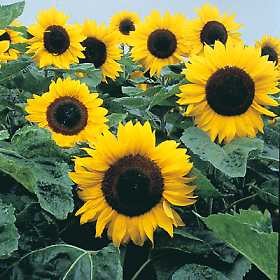
LATIN NAME: Helianthus annuus
COMMON NAME: Sunflower
Plant Profile
Modern breeding splits the species into two broad streams. Oil types are selected for a high share of linoleic acid and a thin hull; confection types are bred for large, striped seeds with a meaty kernel meant for roasting and snacking. Both lines trace back to the same plains ancestor, and the difference is almost entirely the work of selection on seed size, oil content and hull thickness.
Beyond the field, the sunflower is a garden workhorse and a wildlife plant in one.
Tall cultivars make a fast seasonal screen or a cheerful backdrop, while dwarf and branching forms suit containers and children’s gardens. The heads are a late-summer feast for bees while in bloom and for finches and other birds once the seed ripens, so leaving a few heads to dry in place turns the plant into a bird feeder on a stalk.
Left to ripen, a sunflower head becomes a larder: the developing seeds feed goldfinches, house sparrows and chickadees well into autumn, and the sight of a flock working a row of dried heads is its own garden spectacle. For the gardener this is a cheap way to support birds without a feeder, though you must accept that some seed will be eaten rather than saved. A few heads left standing also give structure to the winter border after everything else has been cut back.
Because it grows from seed to several metres in a single warm season, sunflower is the quickest way to throw up a temporary screen or to hide an ugly fence for the summer. Branching types flower over a longer window than the single-head giants, and the cut stems are a mainstay of the late-summer flower trade for their long vase life and their unmistakable face.
Science & Biotechnology
Young sunflower seedlings track the sun from east to west each day, swinging their heads back east overnight in a daily dance called heliotropism. The moment the flower head matures, the plant stops. The bloom locks facing east and stays there for the rest of the season. That single behavioural switch, from a sun-chasing child to a fixed adult, is one of the most famous experiments in plant movement and a neat reminder that a sunflower is not one flower at all but a head of a thousand.
What we call the flower is really a compound head holding hundreds of tiny florets in a mathematically neat spiral. The ray petals around the edge are sterile attractors; the real reproductive work happens in the central disc, where florets open in a moving ring. The spiral packing lets the plant fit the maximum number of seeds into the minimum of space, and the same pattern turns up in pinecones and pineapples across the plant kingdom.
Sunflower seed oil is dominated by linoleic acid, a polyunsaturated fat, and it is notable for carrying tocopherols, the compounds also known as vitamin E. The tocopherols act as natural antioxidants that protect the oil from going rancid and are part of why sunflower oil is valued in both the kitchen and the cosmetics bench.
Uses & Benefits
Helianthus annuus was domesticated by Native American peoples thousands of years before it reached Europe, valued for its oily seed and its striking form. Spanish explorers carried it to the Old World in the sixteenth century, and it has since become a global oil crop and a universal symbol of summer. The wild ancestor still grows across the plains, shorter and more branched than the single-stemmed giants of the field.
Growing from Seed
Sunflowers are warm-season annuals and they hate a cold, wet start more than almost any other border crop.
Sow the fat seeds directly where they are to grow once the ground is thoroughly warm, pressing each one a short depth into loose soil and thinning the row to leave the strongest plants room to branch. For a solid screen space the plants closer; for giant single heads give each one generous room and richer soil so the stem can carry the weight of the mature head.
Water deeply and regularly while the head is filling, because a thirsty sunflower shortens its own show, and feed with a balanced liquid feed once the buds appear. Slugs and birds are the main pests; a collar at the base deters slugs, and netting over ripening heads saves the seed for you rather than the local finches. Stake the tallest cultivars before the wind finds them.
Our Take
Grow sunflowers once and you will grow them forever, if only to watch the seedlings chase the light. They sit happily beside fleabane and lupine in a summer meadow, and the prairie cousin Helianthus maximiliani extends the show into autumn.
Related Reading
Gardeners who grow Sunflower often pair it with these related subjects: