


Matricaria recutita Seeds | German Chamomile
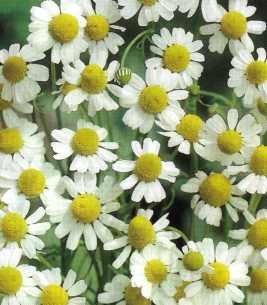
LATIN NAME: Matricaria recutita
COMMON NAME: German Chamomile
Plant Profile
Matricaria recutita, better known as German Chamomile, is a slender, upright annual in the daisy family (Asteraceae), native to old world but grown across temperate world. Few plants smell as much like a summer meadow as chamomile. The German chamomile is a slender, upright annual herb that reaches about half a metre or a little more, with finely divided, feathery leaves and a wiry, branching stem. The whole herb has an airy, delicate look, and a patch of it in flower hums with the small insects of the meadow. Together these qualities explain its long-standing appeal to gardeners.
Science & Biotechnology
Matricaria recutita sits in the daisy family, a group that keeps botanists, horticulturists and plant breeders busy with questions of classification, adaptation and ornamental potential. Chamomile has a long paper trail in food and botanical research. Little about its garden performance is mysterious; it has been grown and observed for a very long time.
Uses & Benefits
German Chamomile works well in borders, containers and dedicated beds. Around garden chamomile earns a warm welcome. Small, daisy-like flowers draw hoverflies and small bees, and feathery, finely divided foliage makes a soft, low cushion of green in border or herb bed. Dried flowers have long brewed a pale, golden, apple-scented tea, and herb has been a familiar of kitchen and stillroom for a very long time. In later seasons it demands little more than an appreciative eye.
German chamomile is the world’s favorite calming tea, with apigenin and chamazulene behind clinical and traditional use for digestion, sleep and skin; few herbs have a deeper or better-documented record of safe household use.
Growing from Seed
Raising German Chamomile from seed is straightforward. Sow thinly on the surface of a loose, well-drained seed compost, cover lightly, water in gently and keep the tray in a sunny spot with even moisture. Shift the seedlings into small pots as soon as they can be handled, and give them bright light until planting-out time.
Our Take
Part of this plant’s appeal is the long practical history summarized above. German Chamomile settles in quickly once it finds its footing. Young plants want steady water; older plants take conditions as they come.
Related Reading
Gardeners who grow German Chamomile often pair it with these related subjects: