


Toona ciliata Seeds | Red Toon
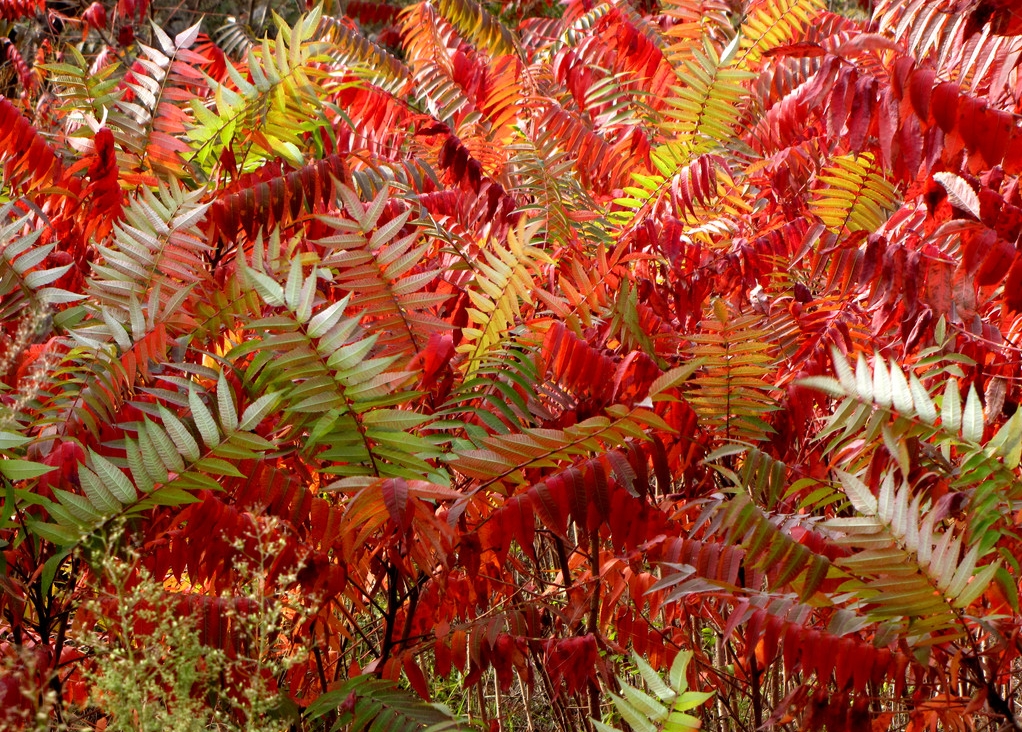
LATIN NAME: Toona ciliata
COMMON NAME: Red Toon
Plant Profile
Toona ciliata is a large, fast-growing timber tree, and in China its spring shoots are a vegetable. The trunk is straight and can reach thirty metres, with a broad crown of pinnate leaves that smell of onion when crushed and turn yellow before they fall. The bark is grey and fissured, and the wood is a soft, reddish cedar that works easily and resists insects.
The species has one of the widest ranges of any timber tree, from Pakistan through South-East Asia to Australia, where it is called red cedar. In China it is grown for the shoots, which are eaten in spring, and for the timber, which is used for furniture, for carvings and for musical instruments.
Science & Biotechnology
The timber is a true mahogany relative, and it is one of the few fast-growing trees with a wood that is both light and durable. It is used as a substitute for mahogany in furniture and in joinery, and it is planted in plantations in Asia and in Australia. The tree is also a host of the shoot borer Hypsipyla robusta, a moth whose larva kills the leader and makes the tree branch, which is the main obstacle to plantation culture.
The shoots contain a range of volatile sulphur compounds, which is why they smell of onion and why they are eaten cooked rather than raw. The tree also contains limonoids, the bitter compounds characteristic of the mahogany family, and the bark is used as an astringent in local medicine.
Uses & Benefits
The shoots are eaten in spring, blanched or stir-fried with egg, and they are sold in Chinese markets as xiang chun. The timber is used for furniture, for carvings, for boats and for musical instruments, and the bark is used for tanning and for medicine.
In Chinese medicine the bark and the root are used for diarrhoea and for dysentery, and the leaf is used as a wash for skin complaints. The tree is planted as an ornamental for the foliage and for the shade, and it is used in reforestation and in agroforestry.
Growing from Seed
Seed is small and should be surface-sown on a moist mix at 20 to 25 degrees. Germination is in two to four weeks, and the seedling is fast, reaching a metre in its first year. Cuttings of hardwood also root.
The tree wants full sun, a deep, moist soil and shelter from wind, since the wood is brittle. It is tender below about minus five. Plant it where the leader can grow without being shaded, and watch for the shoot borer, which enters the tip and kills it: prune out the damaged leader and encourage a new one. In China it is planted along field edges, where the shoots are picked in spring and the tree is coppiced for timber.
Our Take
A fast timber tree with edible spring shoots, and one whose plantation future depends on a moth that kills its leader.
Related Reading
More species in the same orbit as Red Toon: