Rare plant seeds, roots, stems, leaves flowers scientific research, biotechnology,

Syringa reticulata seed

Syringa reticulata seed

LATIN NAME: SYRINGA RETICULATA

COMMON NAME: Japanese Tree Lilac

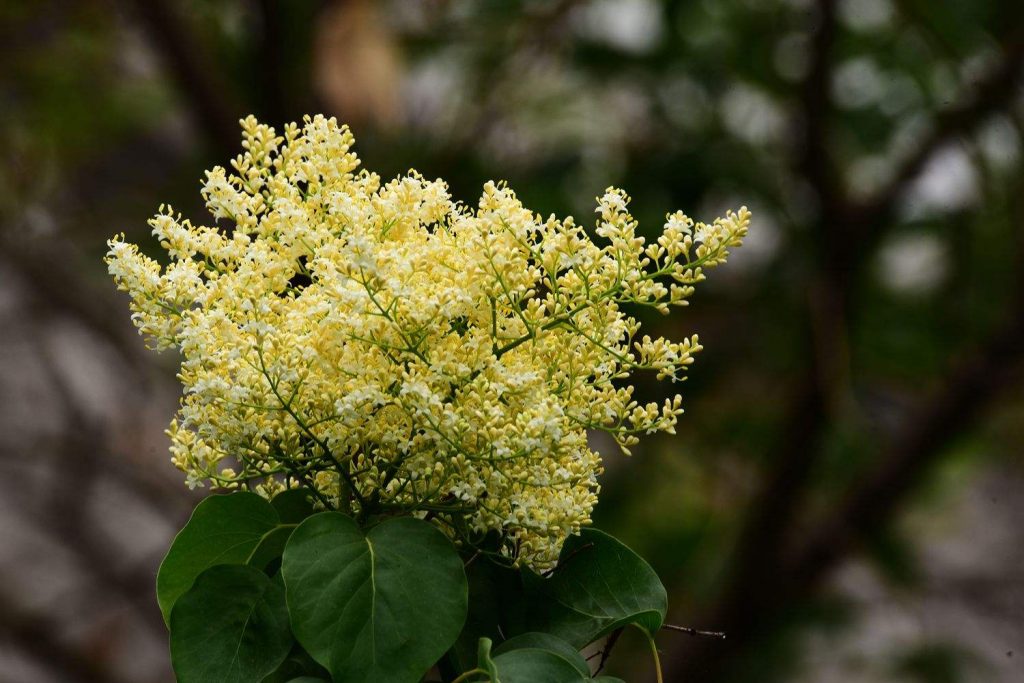
In the woods and the riverbanks of the far north, the Japanese tree lilac grows as a small, round-headed, deciduous tree with the dark-green, oval leaves and the large, dense, upright panicles of small, creamy-white, fragrant flowers that open in the early summer, the cherry-like, dark bark adding its winter interest. Growth is steadily, the plant forming a rounded crown that reaches 5-10 metres. Plant it in full sun with deep, fertile ground.

Scientific Research & Plant Biotechnology

The Japanese tree lilac holds a place in the studies of the lilacs of the far north, its creamy panicles and its cherry-like bark keeping it in view in the work on the flowering trees of the cold garden and the late lilacs of the region. The research looks at the way the dense panicles open in the early summer, the flat capsules shed the winged seeds, and the seed biology of the small, winged seeds.

Ecological & Economic Value & Wide Applications

In the street and the cold garden, the Japanese tree lilac carries the large, creamy, fragrant panicles high in the crown and blooms later than the common lilac, drawing the bees in the early summer. The cherry-like bark peels and gleams through the winter, and the tree makes the fine street tree, the late lilac and the tree of the cold, open garden. It is a tree for the open, sunny, deep and fertile place.

To grow the Japanese Tree Lilac from seed, give the seeds a cold, moist spell, then sow them on sandy soil.

Give the seeds a cold, moist spell, then sow them on sandy soil, and keep the young lilacs in the open, sunny spot. The creamy panicles open with the early summer.


LATIN NAME: Syringa reticulata

COMMON NAME: Japanese Tree Lilac

The Japanese tree lilac is a handsome, upright, deciduous tree or large shrub of the gardens, and its fine, broad, oval leaves and its large, dense, upright clusters of the many small, creamy-white, fragrant flowers have made it a treasured and stately tree of the garden and the street. The plant becomes a flat-topped crown, reaching several metres. It is a species of the flowering tree in the olive family, and it is native to the cool and the warm regions of the eastern Asia, while it is grown as a treasured flowering tree, and it is known as the Japanese tree lilac.

The Japanese tree lilac belongs to the olive family, Oleaceae, and it is a species of the upright, deciduous tree, native to the eastern Asia, while it is grown as a treasured flowering tree, and it is known as the Japanese tree lilac. It is prized for its large, dense, upright clusters of the small, creamy-white, fragrant flowers.

Scientific Research & Plant Biotechnology

The Japanese tree lilac has a real and distinguished place in the research. It has been studied in the horticulture, since its large, dense, upright clusters of the small, creamy-white, fragrant flowers have made it a treasured and stately tree of the garden and the street, and researchers have examined its growth, its flowering and its cultivation, while its fine, late bloom has drawn attention in the international horticultural press as a tree of the garden. The plant has also been studied in the botany and the ecology, since it is a native of the eastern Asia, and its relationships, its distribution and its role in the wild have been examined, while the ecology of the woodland trees has been of continuing interest, and its fine, broad, oval leaves have been of interest to the botanists. The species has also been studied in the horticulture and the urban forestry, since it is a hardy, fine, flowering tree of the street and the town garden, and researchers have examined its growth in the town, while the value of the flowering street trees has been of continuing interest, and its fine, creamy-white, fragrant bloom has been of value. For a tree of such fine bloom, the Japanese tree lilac has a rich and continuing record of study.

Ecological & Economic Value & Wide Applications

Ecologically, the Japanese tree lilac is a generous tree of the garden. Its large, dense, upright clusters of the small, creamy-white flowers feed the bees and the many insects, and its broad, leafy crown gives a fine shade and a cover to the birds.

Its economic value is real. The Japanese tree lilac is prized for its large, dense, creamy-white, fragrant flowers, and its beauty has drawn attention in the international horticultural press as a tree of the garden, while its fine, hardy, late-blooming form has made it a treasured tree of the street and the town garden, and its fine, dense wood has also been valued in the region. For a grower, the Japanese tree lilac is a rewarding and stately tree, and for a gardener it brings a creamy-white, fragrant, flowering tree to the garden and the street. The seeds are easy to start — give them a period of cold, damp storage in the fridge, then sow them just below the surface of a pot of moist, free-draining soil, keep them gently watered, and theyll be sprouting steadily, growing on into a creamy-white, fragrant, flowering tree.

Syringa reticulata

Japanese Tree Lilac

Here is your chance to get seeds of the Japanese Tree Lilac. This is a wonderful tree as it is a fast growing tree, that gets beautiful green leaves and white blooms that are fragrant. This tree can grow to 25’+ in height. Tree Lilacs are hardy to USDA zone 4, so this plant is tolerant of cold. These great plants would be great for bonsai, or to grow on to add to your rare plant collection.

About:

Also known as Syringa Amurensis Japonica. Easily grown in average, medium moisture, well-drained soil in full sun. Tolerates light shade, but best bloom is in full sun. Prefers organically rich, moist, slightly acidic soils with good drainage. Needs good air circulation. Good tolerance for urban conditions. To the extent practicable, promptly remove faded flower panicles before seed set. Prune as needed immediately after flowering. USDA zones 3-7.

Germination:

Method 1- Scarification: Soak in water, let stand in water for 24 hours Stratification: Warm stratify for 60 days, cold stratify for 60 days Germination: Sow seed 1/16 inch deep, tamp the soil, mulch the seed bed.

Method 2 – Simply giving the seed a 90-day cold stratification may break dormancy.

Prev:
Next: