


Ruta graveolens Seeds | Rue
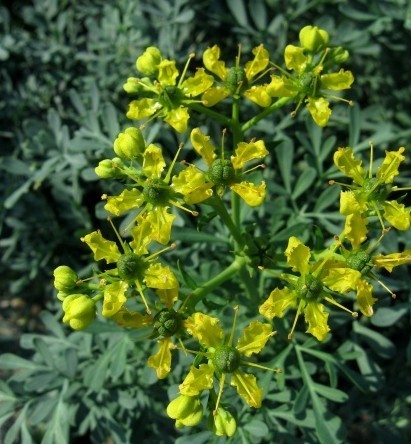
LATIN NAME: Ruta graveolens
COMMON NAME: Rue
Plant Profile
Rue (Ruta graveolens) is a herb in the rue family. Rue is blue-green herb of old gardens, and small, yellow flowers open in loose heads above finely cut leaves. Plant has a very long record in old practice of warm lands, and sap can mark bare skin in bright sun. It is a plant of open, sunny, sharp-draining ground. While it flowers, it feeds a quiet procession of bees and hoverflies. For the gardener, the sum of these traits is a plant that is easy to live with.
Science & Biotechnology
Botanists studying the rue family regularly include Ruta graveolens in comparative work, and the species also appears in horticultural trials aimed at gardeners and growers. In the laboratory and trial ground alike, it serves as workable material for propagation research and line selection.
Uses & Benefits
Gardeners value Rue for its ornamental character, and the plant also fits naturally into herb, vegetable and cutting gardens. Rue is a fine, historic herb of old garden and study collection. Give young plant open, sunny spot and gloves for weeding in bright weather. Once it has settled, the workload drops to almost nothing.
Rue is the herb of grace, a powerful traditional emmenagogue and antispasmodic now used only with great caution; its rutin is a named vascular flavonoid, and its strong scent earns it a corner of the herb garden at a respectful distance.
Growing from Seed
Starting Rue from seed is simple and satisfying. Sow thinly on the surface of a loose, well-drained seed compost, cover lightly, water in gently and keep the tray in a sunny spot with even moisture. When the young plants are big enough to handle, space them into pots or a nursery row and let them size up before their final move.
Our Take
The medicinal tradition behind this species, outlined above, is a large part of its interest. The traditional uses covered above are what first made this species worth cultivating. Careful watering early on is rewarded by toughness at maturity.
Related Reading
More species in the same orbit as Rue: