


Annona mucosa Seeds | Rollinia Deliciosa
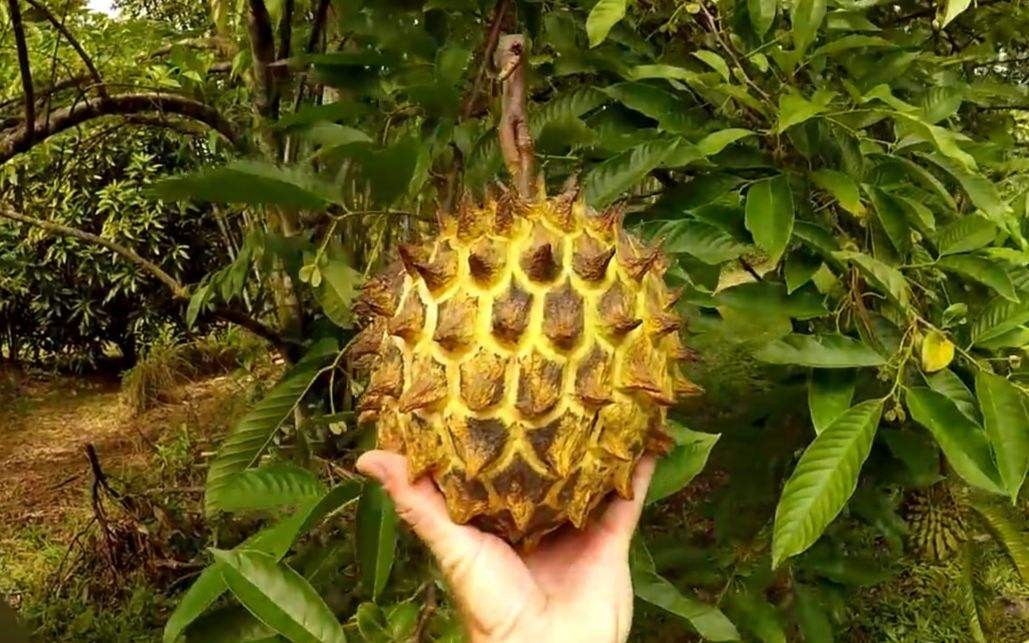
LATIN NAME: Annona mucosa
COMMON NAME: Biriba
Plant Profile
Biriba (Annona mucosa) is a fine, generous tree in the annona family (Annonaceae), native to tropical south America. Biriba is a fine, large, soft-fruited tree of warm lowlands, and its round, yellow-green, knobbly fruits have made it a familiar of warm markets for a very long time. Fruits are eaten fresh by spoonful or used in drinks and the desserts. It is a fine, generous tree of warm, sheltered, moist garden. The flowering period doubles as a feeding season for bees and other pollinators. All of this makes Biriba a satisfying plant to grow and to get to know.
Science & Biotechnology
Like other members of the annona family, Annona mucosa draws steady attention from botanists and plant breeders, who value the genus both as a subject of research and as a source of garden-worthy material. Biriba has a steady and growing place in plant science, and it has been studied for its soft, sweet, custard-like fruits and its place among warm-climate fruit trees. Gardeners benefit directly from its long cultivation: what the plant will do in a garden is well understood.
Uses & Benefits
Biriba works well in borders, containers and dedicated beds. Biriba is grown for large, soft, aromatic fruits. Round, yellow-green fruits have a fine, sweet, custard-like pulp that is eaten fresh by spoonful or used in drinks, ice creams and desserts of warm world. Tree is a fine, generous addition to warm, sheltered garden, and large, glossy leaves give it a handsome look through the season. Beyond the establishment year, its needs are simple and few.
The custard-apple family gives delicious fruit and a folk medicine of leaves and seeds used against parasites and head lice. Modern research on annonaceous acetogenins is active, though concentrated seed preparations should be avoided in favor of the fruit itself.
Growing from Seed
Raising Biriba from seed is straightforward. Sow the seed evenly over the surface and cover lightly, using a loose, well-drained seed compost, and keep it just moist in bright light until the seedlings are well up. Grow the youngsters on steadily in pots until well rooted, then move them to their final positions.
Our Take
Given the right start, Biriba is a long-term garden companion. The medicinal tradition behind this species, outlined above, is a large part of its interest. Give the seed freshness and steady moisture, and nature handles the rest.
Related Reading
Readers interested in Biriba frequently explore these as well: