


Koeleria Seeds | Blue Hair Grass
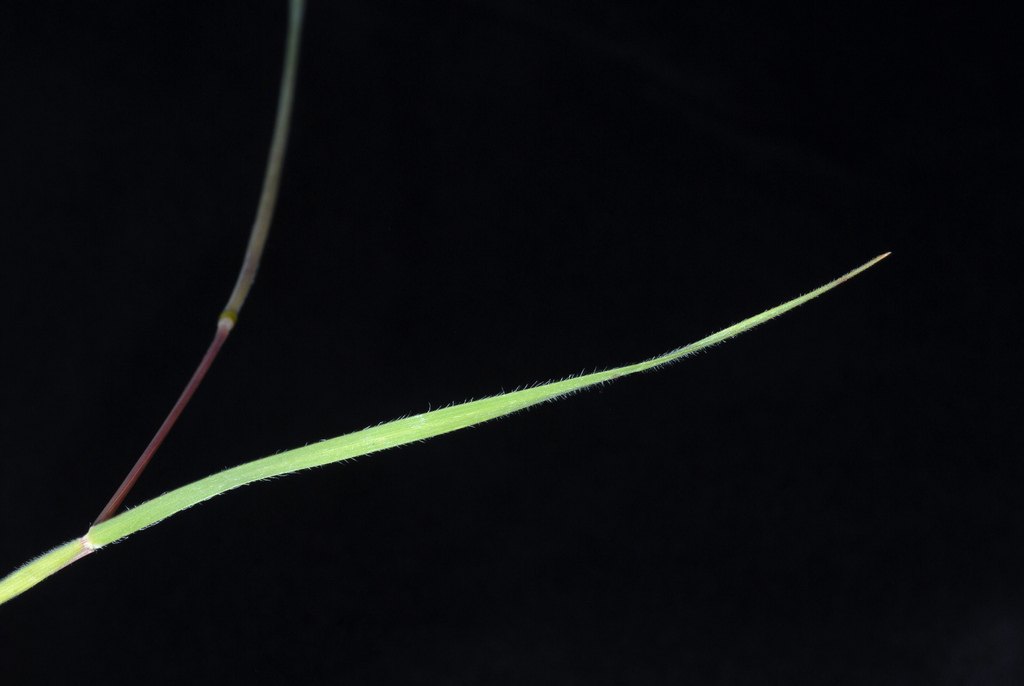
LATIN NAME: Koeleria
COMMON NAME: Blue Hair Grass
Plant Profile
Koeleria is a genus of about 60 species of grasses, found on every continent except Antarctica and on many oceanic islands. The ornamental plant sold as Blue Sprite is Koeleria glauca, a European species of dry sandy grassland, which forms a dense tuft of blue-grey leaves 20 to 40 cm high.
The leaves are narrow, rolled and covered with a waxy bloom that gives them their colour, and the tuft is tight enough to look like a small hedgehog. In June the plant produces narrow, spike-like panicles 30 to 50 cm tall, which turn from green to straw as the seed ripens, and they persist into winter.
The genus is named after the German botanist Georg Ludwig Koeler, who described several grasses in the eighteenth century, and the common name Junegrass refers to the flowering time of the European species. The ornamental value of the genus is in the foliage rather than the flower, which is modest by the standards of the ornamental grasses.
Science & Biotechnology
Koeleria sits in the Pooideae, the same subfamily as wheat, barley and the lawn grasses, and it ranks among the genera that dominates the dry grasslands of central Europe and the Eurasian steppe. Several species are important components of natural pasture, and K. macrantha is used in revegetation and in low-maintenance turf.
The blue-grey colour is produced by a waxy cuticle on the leaf surface, which reflects blue light and reduces water loss. The same mechanism gives blue fescue and blue oat grass their colour, and it is more pronounced in dry, sunny conditions, so a plant in shade turns green.
The genus is wind-pollinated, like all grasses, and its flowers are reduced to the essentials: no petals, no scent, and anthers that hang outside the flower to release pollen into the wind. The feathery stigmas are designed to catch that pollen, and they are visible as a faint haze on the spike in June. The same family turns up again in Pennisetum setaceum, Melinis nerviglumis and Beckmannia syzigachne.
Uses & Benefits
Blue Sprite is used at the front of a border, in a gravel garden, in a rock garden or in a prairie planting, where its blue-grey foliage contrasts with green and with silver. It ranks among the smallest ornamental grasses, which makes it useful in a container or in a tight planting where a larger grass would overwhelm the design.
It is drought-tolerant and hardy, and it prefers poor, sandy soil in full sun. In rich soil it grows soft and flops, and the blue colour fades to green, which defeats the purpose of growing it. That is why it is best used in the leanest part of the garden.
The seed heads are useful for drying, and they hold their shape for months if cut before the seed shatters. The plant is not edible and has no medicinal use, and it is not a lawn grass, despite its relationship to the bentgrasses and fescues. Several species are also used in low-maintenance turf and in revegetation of disturbed ground, where their deep roots and drought tolerance make them valuable, and K. macrantha is one of the species sown in dryland restoration mixes.
Growing from Seed
Sow indoors in late winter at 15 to 20 °C, covering the seed lightly. Allow three weeks before you give up on the tray. The seed is small and the seedlings are slow at first, so sow early if you want plants for the same season.
Prick out into small pots and grow on at 15 °C in bright light. Plant out in spring or early autumn, 25 cm apart, in full sun and sharply drained soil. Add grit to the planting hole if your soil is heavy, and plant on a slight mound so that water runs away from the crown.
Cut the old foliage back in early spring, before the new growth appears, and divide the tufts every three or four years to keep them tight. The plant is short-lived in wet soil, so drainage matters more than anything else. In a pot, use a gritty mix and go easy with the water. Divide the tufts in early spring, just as the new growth starts, and water them in well.
Our Take
Blue Sprite is the best small blue grass for a dry garden, and one of the best plants for the front of a border. It is tough, drought-tolerant and handsome for twelve months, and it asks for nothing except drainage.
Grow it in gravel, at the edge of a path, or in a pot with a gritty compost. Cut it back in March, divide it every few years, and it will keep its colour and its shape for a decade.
Related Reading
Continue exploring with these related plants: