


Clivia miniata Seeds | Clivia
LATIN NAME: Clivia miniata
COMMON NAME: Clivia
Plant Profile
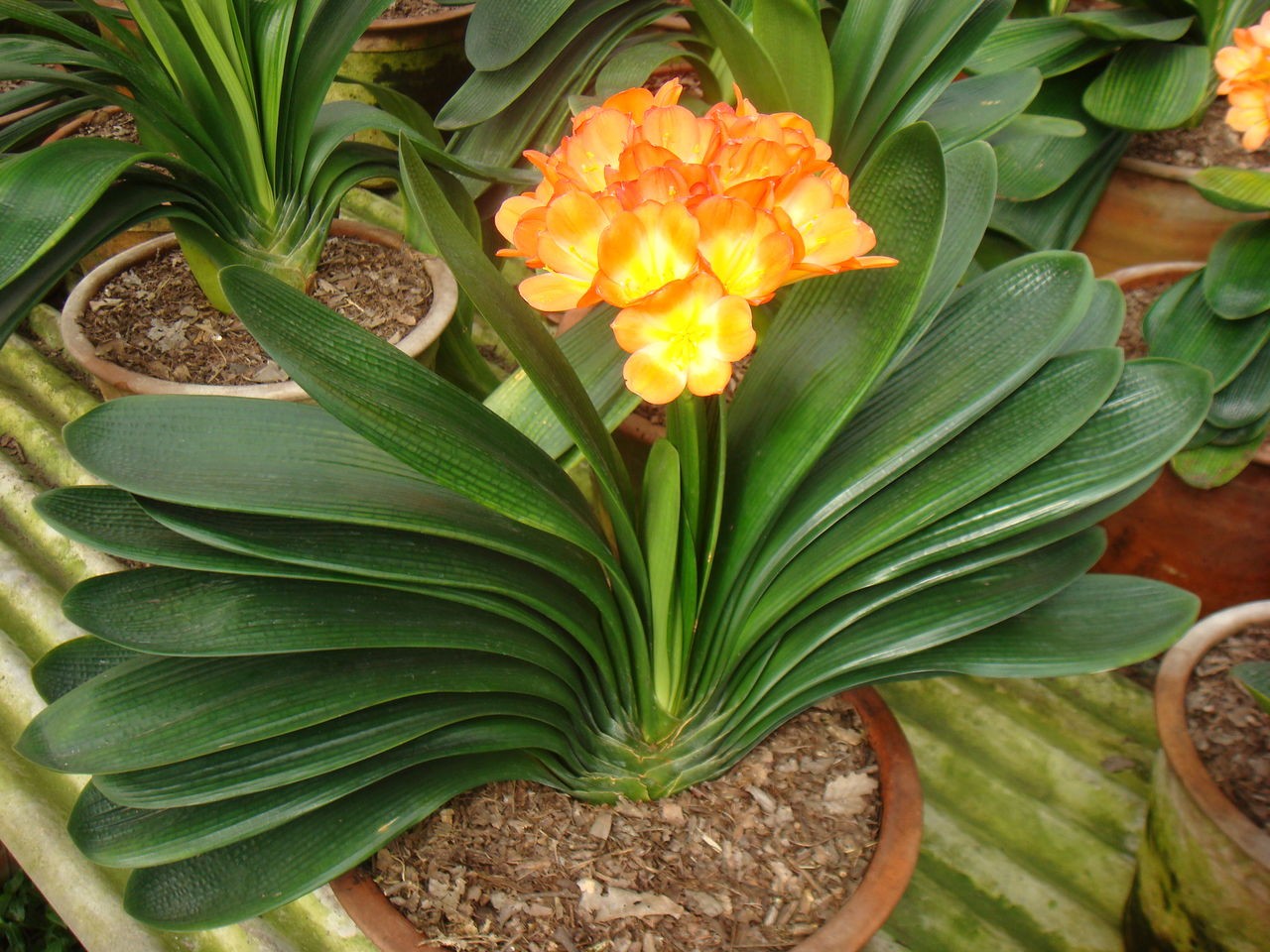
In its South African home the clivia grows on the floor of summer-rain forest, where dappled light and leaf litter suit it far better than full sun. The leaves are long, dark, and glossy, borne in opposite ranks from a short crown, and they are themselves the reason the plant is kept: even out of flower it is a sculptural foliage subject. The flowers are carried in an umbel on a stout scape, each bloom a six-lobed trumpet in orange or red with a yellow throat, and a healthy clump opens a dozen or more at once. The fruit that follows is a red berry holding a few fat seeds, unusual in a family better known for dry capsules.
Most Amaryllidaceae dry their seed in a capsule, but clivia ripens a fleshy red berry, and the seed inside is a pale, rounded stone with a hard coat. The berry is mildly toxic, so it is one to admire and not to taste, and the same alkaloid load that protects the seed is why the plant is left alone by browsers. Knowing the berry is the surest way to tell a clivia from a hippeastrum when neither is in flower.
Clivia is almost always increased by dividing the offsets that form at the crown, which keeps a named colour true and skips the slow road from seed. Shoot-tip and meristem culture have been used to clean material of virus and to multiply rare cultivars, and embryo culture speeds the fat seed past its long rest. The slow road from seed is still the only way to get new colour breaks, which is why breeders sow the berry seed and wait several seasons for the first flower.
As a houseplant the clivia is prized for blooming in the dimmest, coldest part of the year, when little else will. A cool, bright room through autumn and a dry rest afterward sets the bud; too much warmth and water and the plant makes leaves instead of flowers. The cut flower heads last well in a vase, and the plant’s tolerance of neglect is exactly why it suits a beginner. In warm climates it moves outdoors as a shade-border subject under trees.
Science & Biotechnology
Clivia belongs to the amaryllis family, and like its relatives it carries alkaloids, chief among them lycorine, concentrated in the bulb-like base and the foliage. Lycorine is the compound studied for its effects on cell lines and for the bitter defence that keeps animals from chewing the plant, and it is the reason clivia sap can irritate skin and should not be eaten. The genus also holds other Amaryllidaceae alkaloids such as lycorenine, which give the plant its interest to natural-products chemists and its caution in the home.
The nearest garden relatives are the surprise lilies of the genus Lycoris radiata and the Lycoris squamigera, which share the Amaryllidaceae alkaloid chemistry and the sudden, leafless flowering. Clivia differs in keeping its leaves year-round and in bearing berries rather than dry capsules, a useful distinction when you are sorting a mixed bulb order.
Uses & Benefits
Clivia miniata looks like an amaryllis and behaves like one in spring, but it hides a quiet difference that trips up first-time growers: there is no bulb. The plant stores its food in a fat, carrot-like rootstock topped with a neck of overlapping leaf bases, and it sits contentedly pot-bound for years, blooming better for the crowding. That quirk is why a clivia can outlive its owner, flowering reliably every late winter in a cool room while the amaryllis next to it demands fresh soil and a rest schedule. The strap-shaped leaves rise in two neat ranks, and the flower head lifts a dome of trumpet-shaped orange tubes above them like a small chandelier.
Growing from Seed
Withhold water for a stretch in late autumn and keep the plant cool, then resume watering as the scape rises; this rest, not a fertilizer, is what triggers flowering. Pair the clivia with the lycoris relatives above for a succession of Amaryllidaceae blooms from late summer into spring, and you cover most of the quiet half of the year with almost no effort.
Fresh clivia seed sown at once after the berry ripens avoids the deep dormancy that sets in as it dries. Press the round seed half into a free-draining, gritty mix and keep it warm and shaded, and the first leaf appears slowly as the root swells. Pot the seedling on by the height of the leaf, and expect a wait of several seasons before the young plant is big enough to flower; this is a plant for the patient, not the impatient.
Do not let the seed dry on the shelf; fresh sown is the rule. Keep the medium barely moist so the fat root does not rot, and shade the pot until the leaf stands. Move the seedling to its own pot when the leaf reaches a hand’s span, and grow it in bright indirect light. Division of the mature clump stays the faster road to a flowering plant if you cannot wait.
Our Take
I keep my clivia in the coolest room and forget it on purpose through autumn, and every February it repays me with a head of orange. The berries are for the compost, not the mouth, and I treat the sap with respect.
Related Reading
Gardeners who grow Clivia often pair it with these related subjects: