


Cinnamomum camphora Seeds | Camphor Tree
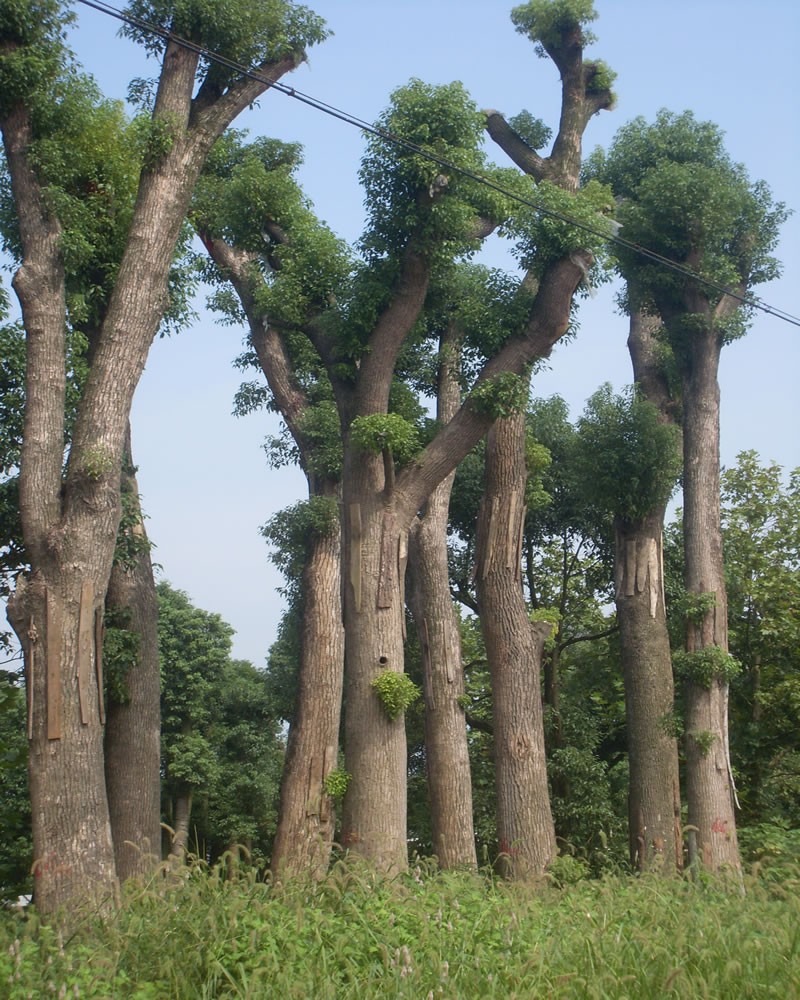
LATIN NAME: Cinnamomum camphora
COMMON NAME: Camphor Tree, Camphor Laurel
Plant Profile
Camphor tree is a large evergreen, 20-30 m in the ground, with a dense rounded crown, glossy oval leaves and smooth grey bark that fissures with age. Every part of the plant smells of camphor when crushed, and the scent is strong enough to identify the tree from several metres away.
The leaves open pink-bronze and turn deep green, and in spring the tree produces small pale yellow flowers followed by black berries. In a warm climate it is a fast-growing shade tree; in a cold one it is a greenhouse plant or a bonsai, where its response to pruning is excellent.
Cinnamomum camphora comes from China, Taiwan and southern Japan, and it has been planted across the subtropics for timber, for oil and for shade. It is now naturalised in parts of Australia, Africa and the southern United States, where it is sometimes treated as an invasive species.
Science & Biotechnology
Camphor is a terpenoid ketone that makes up a large part of the essential oil of the wood and leaves. It is a solid at room temperature and sublimes slowly, which is why camphor chests keep moths away: the vapour is insecticidal and insect-repellent. The compound has a long history in medicine as a topical counter-irritant and in the plastics industry as a plasticiser.
The tree produces two distinct oil profiles depending on the part: leaf oil is rich in camphor and 1,8-cineole, while wood oil from older trees can be higher in safrole, a compound that is a precursor in some illicit chemistry and is regulated for that reason.
Camphor laurel is a prolific seeder, and its seed is dispersed by birds. In warm humid climates it forms dense stands that shade out native vegetation, which is why it is listed as a weed in parts of Australia and South Africa despite its timber value.
Uses & Benefits
Camphor is the source of the oil used in liniments, in moth repellents and in the old-fashioned camphor block. The wood is used in Asia for furniture, carvings and chests, and the leaves are distilled for oil.
In the garden the tree is a fast shade tree in warm climates and a good bonsai subject elsewhere, since it tolerates hard pruning and regrows readily. It is also used as a street tree in the subtropics, though its invasive behaviour has made it unpopular with land managers. Commercially the seed is sold to growers in warm climates and to bonsai enthusiasts.
Growing from Seed
Sow in spring at 20-25°C, after soaking the seed for a day to remove the fleshy coat. Germination takes two to four weeks. Fresh seed germinates readily; dried seed loses viability quickly.
Plant out in full sun in moist but well-drained soil, and protect young trees from frost. In a cold climate grow in a large container and move it under cover for winter, or train it as a bonsai. Prune in late winter, since the tree bleeds sap if cut in summer. Water established trees only in severe drought. In a container, use a loam-based compost and repot every third year, because the tree fills a pot with roots quickly.
Our Take
A tree worth growing for the scent alone, provided you live where it can be kept in bounds and not where it can seed into bushland.
Related Reading
If Camphor Tree appeals to you, these related plants are worth a look: