


Centaurea cyanus Seeds | Cornflower
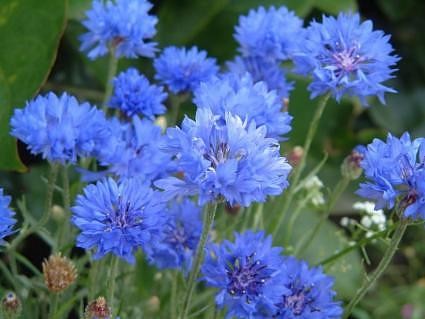
LATIN NAME: Centaurea cyanus
COMMON NAME: Cornflower, Bachelor’s Button
Plant Profile
Cornflower (Centaurea cyanus) is a slender annual of the daisy family (Asteraceae), native to the Mediterranean region and once a familiar weed of European grain fields. It grows 30-90 cm tall, with narrow, grey-green leaves and vivid blue, fringed flower heads through summer; pink, white and purple garden forms also exist. The flowers are edible and much visited by bees, and the plant thrives in poor, sunny ground.
Science & Biotechnology
Centaurea cyanus sits in the Centaurea group, a group that keeps botanists, horticulturists and plant breeders busy with questions of classification, adaptation and ornamental potential. Cornflower’s vivid blue colouring comes from a particularly striking anthocyanin pigment combination, and this intense true-blue colour, genuinely uncommon among garden flowers, has made species a subject of interest in ornamental plant pigment research. The upshot for anyone sowing it is reassurance — cultivated stock of this plant has a long, well-documented track record.
Uses & Benefits
Gardeners value Cornflower for its ornamental character, and the plant also fits naturally into herb, vegetable and cutting gardens. Its inclusion in wildflower meadow seed mixes also helps recreate character of traditional European cornfields now increasingly rare in intensively farmed landscapes. In later seasons it demands little more than an appreciative eye.
Cornflower petals are a traditional European eye-bright and a beloved edible flower, coloring teas, salads and the famous Lady Grey blends; the genus also includes knapweeds with folk wound records.
Growing from Seed
Starting Cornflower from seed is simple and satisfying. Sow seed directly into a loose, well-drained mix at a shallow depth, keeping it lightly moist until germination. Full sun suits this fast-growing annual well, and it typically flowers in good time of a spring sowing, often self-seeding readily in following seasons. A simple routine works well: sow evenly over the surface and cover lightly in a loose, well-drained seed compost, maintain even moisture, and provide full sun. Move strong seedlings into individual pots, keep them in good light, and set them out when the weather and their size agree.
Our Take
Cornflower, Bachelor’s Button has real presence in the garden without demanding much in return. It tolerates the sort of small mistakes every beginner makes.
Related Reading
Gardeners who grow Cornflower often pair it with these related subjects: