


Begonia multiflora Seeds | Multiflora Begonia
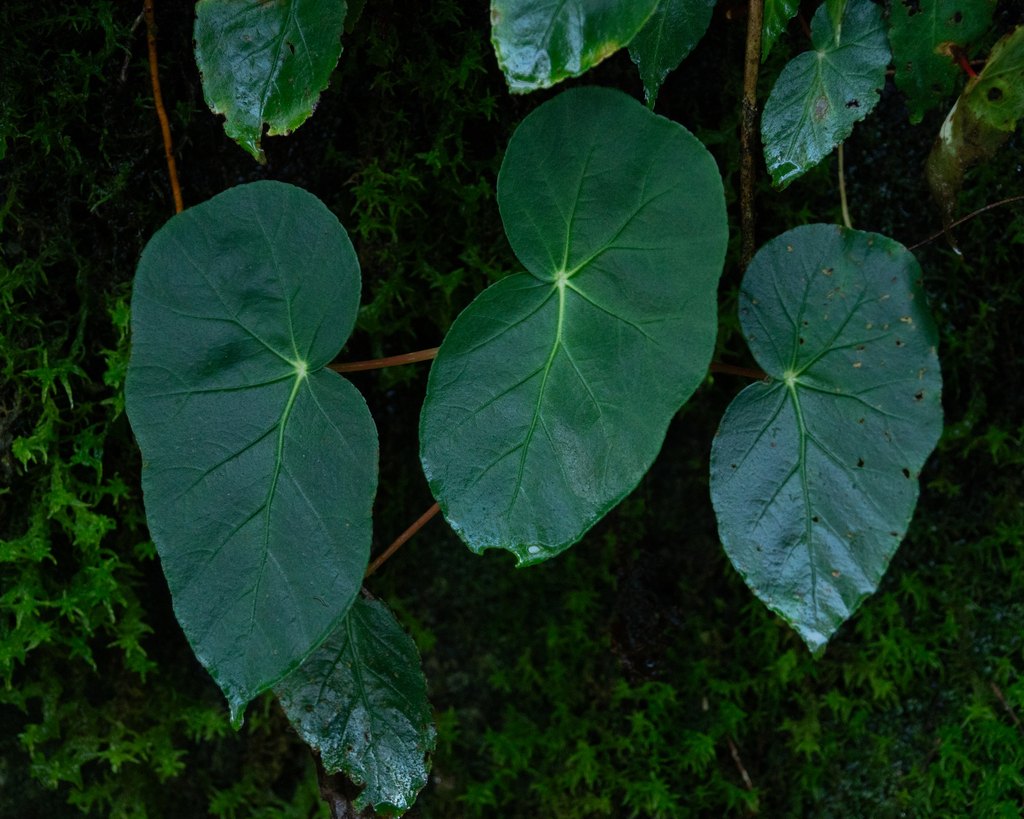
LATIN NAME: Begonia multiflora
COMMON NAME: Multiflora Begonia
Plant Profile
Begonia multiflora is a name that has done a lot of travelling. Bentham described a Colombian species under it, and that species is now placed in Begonia foliosa, which is also sold as B. fuchsioides. In the bedding trade the same words mean something else entirely: the multiflora begonias, which are forms of Begonia × semperflorens.
The plant behind the botanical name is a shrubby begonia from the Andes, one to two metres in the wild and half that in a pot. The leaves are pinnate, dark and glossy, divided into narrow leaflets that give it a fern-like look. The flowers are small, pink to red, and they hang in loose clusters through winter.
It grows in cloud forest understorey in Colombia and Venezuela, at altitudes where the air is cool and constantly damp. That origin explains its habits. It dislikes heat, it dislikes dry air, and it flowers in the short days of winter rather than in summer. A plant that sulks in a warm living room is behaving as its genes expect.
The confusion is old. Begonia multiflora was published in 1845 from Colombian material, and the same plant was described again as B. fuchsioides by Hooker, from a garden specimen, a few years later. The two names were united once the wild populations were studied. Anyone ordering B. multiflora today should expect a fern-leaved shrub.
Science & Biotechnology
Begonias are monoecious: male and female flowers are separate but borne on the same plant. The male flowers have four tepals and a cluster of stamens; the female have a winged ovary below the tepals that becomes a dry capsule. In this species the male flowers drop after a few days and the female stay on, so the clusters look thin.
The family is unusual in having unisexual flowers with a showy perianth that is not a true corolla, and in having leaves that are conspicuously asymmetric. The asymmetry is not a defect: it comes from the way the blade develops on either side of the midrib, and it ranks among the quickest ways to recognise a begonia in a strange garden.
Seed is the smallest in general horticulture, a dust of cells with almost no storage tissue. A capsule can hold thousands, and a gram of begonia seed may hold more than fifty thousand. That is why seed is sold in tiny vials and why sowing is done on the surface of sterilised compost, often under glass, with the pot sealed.
Uses & Benefits
The fern-leaved begonia is a greenhouse and conservatory plant in cool climates, and a shade plant in the tropics. It is grown for winter flowers and for the foliage, which is handsome even when the plant is not in bloom. It can be trained as a small shrub in a large pot, and will reach a metre in a conservatory border.
It is not a bedding plant and it will not survive a frost. In a warm room it suffers from dry air, red spider mite and mildew, in that order. The remedy is a cool, humid place with good light and air movement, which in most houses means a conservatory or a shaded greenhouse. Given that, it is long-lived.
There is no food or medicinal use. The ornamental value is in the contrast between the dark, divided foliage and the pale flowers, and in the season, since very little else flowers in December in a cool greenhouse. It is a plant for the collector rather than the beginner, and it rewards attention to humidity more than to feeding. The Begoniaceae thread continues with Begonia grandis, Begonia cucullata and Begonia tuberhybrida.
Growing from Seed
Sow on the surface of a fine, sterile mix at twenty-one to twenty-four degrees, and do not cover the seed. Light is required and the seed is dust, so water from below or mist. Germination takes three to six weeks. Keep the container covered until the seedlings are large enough to handle, and ventilate gradually against damping off.
Prick out when the first true leaves appear, using a teaspoon, and grow the seedlings on in a humid, shaded place. Pot them into a compost of leaf mould, peat substitute and grit, and keep them barely moist. Do not overpot: begonias flower better when the roots are slightly confined, and a large pot of wet compost rots the stem.
Take stem cuttings in spring and root them in a closed case at twenty degrees, or use leaf cuttings on a bed of sharp sand. Both work, and cuttings are the only way to keep a named form true. Repot every second year, in spring, and cut the plant back after flowering to keep it compact and to encourage shoots from the base.
Our Take
The name is a trap and the plant is worth finding anyway. If you want a bedding begonia, buy Begonia semperflorens and stop reading. If you want a shrubby winter-flowering species with fern foliage and small coral flowers, this is it, and it is more robust than its reputation suggests. The two are not interchangeable.
Grow it cool, keep the air moving, and do not let the compost sit wet in winter. It will flower in the darkest month and look good doing it. The taxonomy is a mess and the trade does not help, but a plant that flowers in December in a cold country earns its keep.
Related Reading
Readers interested in Multiflora Begonia frequently explore these as well: