


Rhapis multifida Seeds | Finger Palm
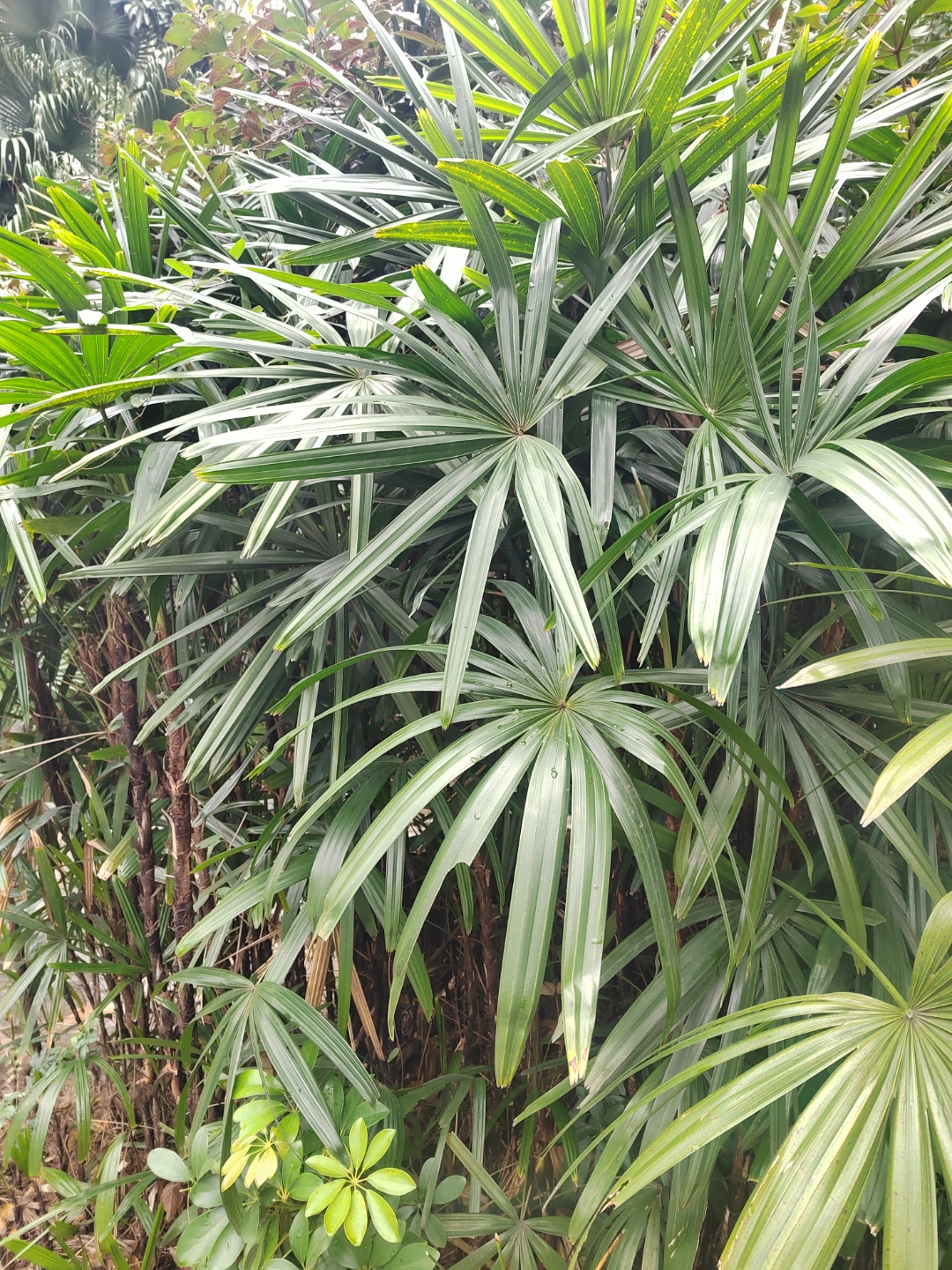
LATIN NAME: Rhapis multifida
COMMON NAME: Finger Palm
Plant Profile
Known to gardeners as Finger Palm, Rhapis multifida is a palm in the palm family. Finger palm hands clumps of slender, bamboo-like stems with rounded, palmate leaves divided into many narrow, finger-like leaflets, the whole plant carrying the fine, feathery, fan-like form. Leaves stay green through year, and palm grows slowly into dense, upright clumps. It stands low light well, and it likes bright shade, and moist, leafy, well-drained soil. Its open flowers are a reliable stop for bees and other pollinating visitors. Put simply, this is a rewarding species for anyone willing to give it a suitable spot.
Science & Biotechnology
As part of the palm family, Rhapis multifida contributes to research on plant classification and adaptation, while nurseries and gardeners continue to trial it for cultivation. In palm family, rhapis palms have a recognised place in studies of understory palms, and multifida species appears in research on leaf division and shaded growth. For practical purposes the message is encouraging: generations of cultivation have produced plants of predictable, well-mannered garden character.
Uses & Benefits
In the garden, Finger Palm earns its place in borders, containers and mixed plantings, and it also rewards growers who raise plants for cutting, drying or kitchen use. In shaded room and sheltered courtyard, finger palm hands fine green fans all year. Many-fingered, fan-like leaves give calm, tropical green, palm stands low light well, and slender stems have served walking sticks for generations. It grows slowly into dense, upright clumps in moist, leafy, shaded ground. In later seasons it demands little more than an appreciative eye.
Lady palm is a champion air-purifying houseplant of NASA fame and an elegant shade palm.
Growing from Seed
Finger Palm grows readily from seed. Sow on the surface of a gritty, well-drained mix, cover lightly with fine compost, and maintain gentle, even moisture in a sunny position. Transplant the sturdiest seedlings to their permanent spots and let them develop without disturbance.
Our Take
Few garden plants carry such a documented history of use as this one does. Finger Palm settles in quickly once it finds its footing. Moisture matters most while plants are young; established plants cope with far more.
Related Reading
Readers interested in Finger Palm frequently explore these as well: