


Panicum turgidum Seeds | Afer Wheatgrass
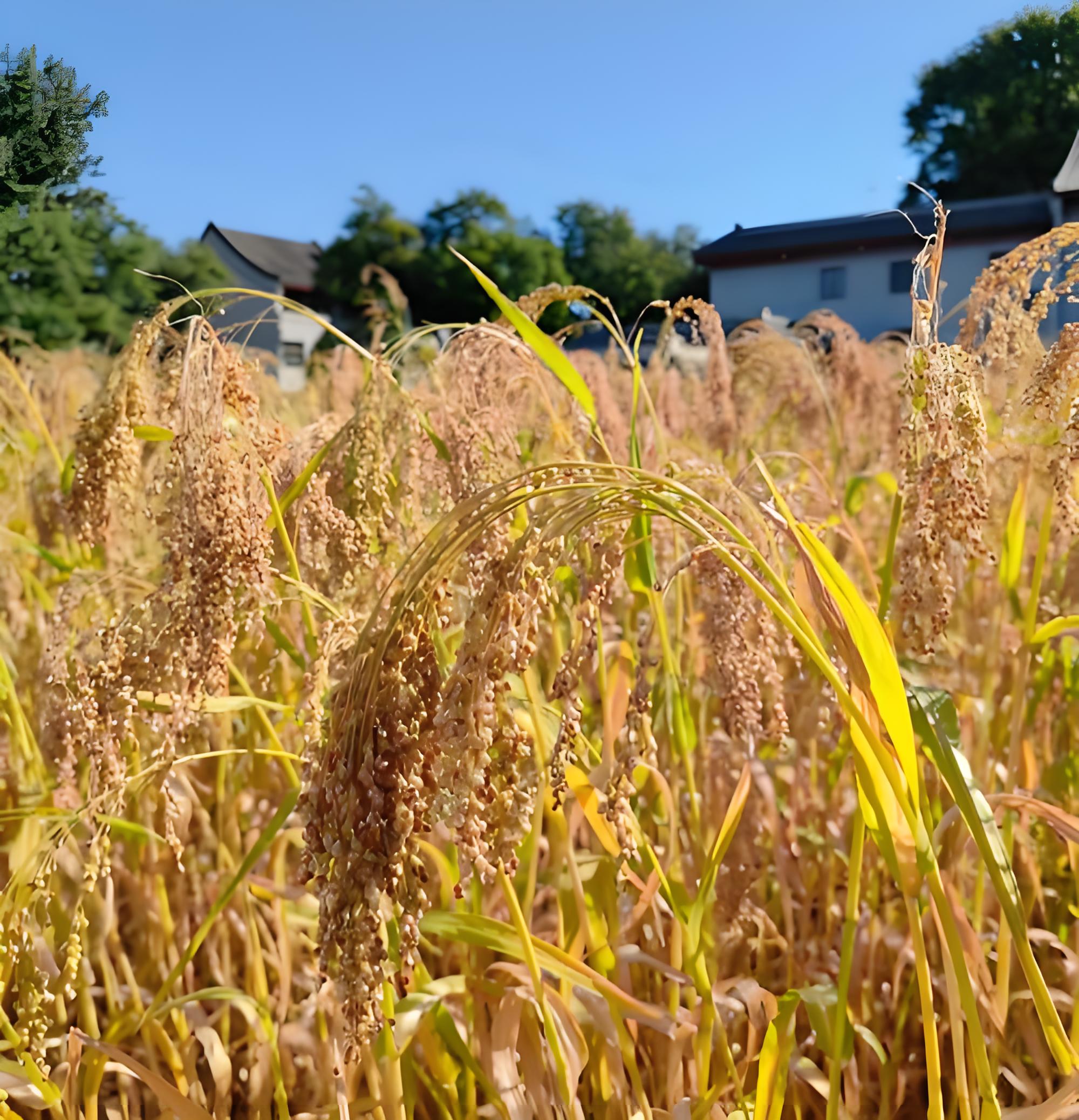
LATIN NAME: Panicum turgidum
COMMON NAME: Afer Wheatgrass
Plant Profile
Panicum turgidum is a tough desert grass of the Sahara and Arabia, with woody stems and a talent for growing out of buried sand. It grows across the arid belt from Morocco and Senegal through the Sahara to Egypt, Sinai, the Arabian Peninsula, Iran, Pakistan and northwestern India, on dunes, sandy plains and the edges of wadis, where rain may not fall for two years at a time. The plant forms a tussock of stiff, branched, almost woody stems up to a metre and a half, with narrow leaves that roll in the heat and a loose panicle of spikelets at the top. It is one of the most important fodder grasses of the deep desert, grazed by camels and goats, and its grain has been gathered in times of famine. Its roots go down several metres, and the plant survives being buried by a metre of moving sand. In Arabic it is known as thumam, and it is woven into mats and used as thatch.
Science & Biotechnology
Panicum turgidum is a C4 grass, and its combination of C4 photosynthesis, deep roots and woody stems lets it grow through the hottest months when other desert grasses are dormant. The plant is a sand-binder: when it is buried, the buried stems produce adventitious roots and new shoots, so the tussock rises with the dune instead of being swamped. Its leaves roll tightly in dry weather, reducing water loss, and they are covered with a waxy layer that reflects light. The species is a prolific seeder after rain, and the seed germinates quickly in wet sand, but the seedling is vulnerable to drought in its first season. It is also tolerant of moderate salinity, which is why it grows near sebkhas and salt pans. In desert reclamation it is used as a nurse grass, because it stabilises sand and provides shade for tree seedlings.
Uses & Benefits
The plant is grazed by camels, goats and sheep, and it is one of the few green feeds available in the deep desert in summer; it is cut and carried to animals in some areas, and dried as hay. The grain is small but nutritious, and it has been gathered and ground in Sudan, Chad and Niger during famines. The stems are woven into mats, baskets and ropes, and they are used for thatch and for fencing, while the roots are used as a brush. In traditional medicine the plant is used for stomach complaints and the seed for diarrhoea. In desert agriculture it is planted to stabilise dunes, to provide fodder on saline land and to nurse trees in shelterbelts, and it has been tested as a biomass crop on marginal land. In a dry garden it makes a tough, architectural tussock for a gravel bed, though it is not a plant for a small or irrigated garden.
Growing from Seed
Sow seed in spring at 25 to 30 degrees in a sandy mix, covering it lightly, and keep the surface moist until germination, which takes one to two weeks. The seedlings are vulnerable to damping off, so use a very open mix and plenty of light. Grow them on in deep tubes, since the roots go down fast, and plant out when they are 20 cm tall. Choose a site in full sun with deep sand or gravel, and water only to establish. The plant tolerates burial, drought and moderate salinity, but it does not tolerate shade or waterlogging. Cut the old stems to the ground in late winter to encourage new growth, and do not feed it: rich soil makes it soft and short lived. It self-seeds readily in sandy ground.
Our Take
A desert tussock grass that feeds camels, holds dunes and survives being buried. Full sun, deep sand, and no kindness.
Related Reading
Readers interested in Afer Wheatgrass frequently explore these as well: