


Malus hupehensis Seeds | Hupeh Crab Apple
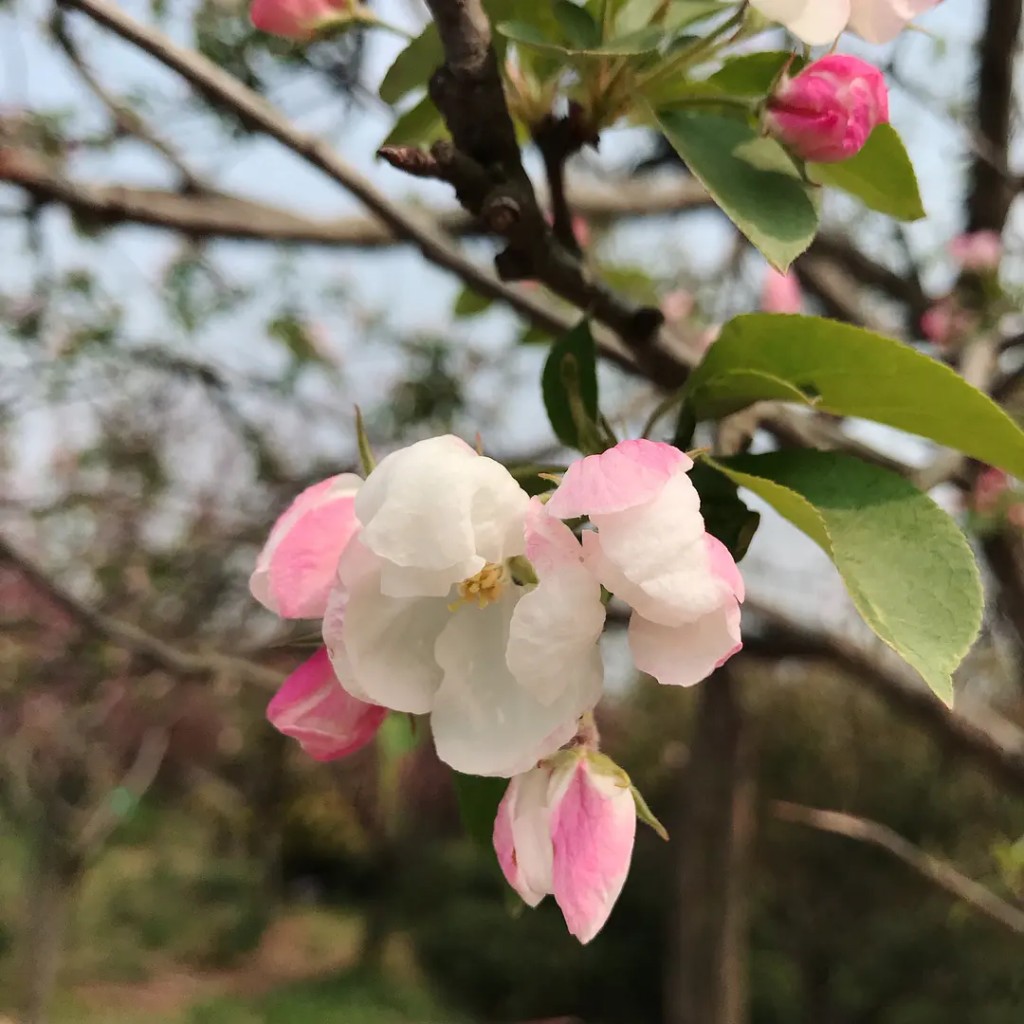
LATIN NAME: Malus hupehensis
COMMON NAME: Hupeh Crab Apple
Plant Profile
Among the ornamental and useful plants raised from seed, Hupeh Crab Apple (Malus hupehensis) stands out as a tree. The Hupeh crab apple laces broad, rounded crown with dense drifts of white flowers through spring, oval leaves following with fresh green, and small, red and yellow crab apples that hold into the winter. Flowers open with faint blush, fruits are small and tart, and birds take them through cold months. It likes sun, and deep, rich, well-drained soil. Through the flowering season it keeps visiting bees well supplied. It is the sort of plant that quietly justifies the space it occupies.
Science & Biotechnology
As part of the Malus group, Malus hupehensis contributes to research on plant classification and adaptation, while nurseries and gardeners continue to trial it for cultivation. Crab apples have a steady place in apple-family research, and the Hupeh species appears in studies of flowering trees and orchard history of the East. Species like this one find a second career as research material, especially in propagation and breeding work.
Uses & Benefits
In the garden, Hupeh Crab Apple earns its place in borders, containers and mixed plantings, and it also rewards growers who raise plants for cutting, drying or kitchen use. In spring garden, the Hupeh crab apple flowers hard and feeds birds through the cold. White drifts draw bees, small fruits hold colour long after leaves fall, and tree gives generous, round-headed structure through the year. It also serves orchard as pollinator for the apples. Getting it going is easy; keeping it going is easier still.
The apple is the original functional fruit, its pectin, quercetin and polyphenols linked in studies to heart and gut health; the old advice about an apple a day has aged remarkably well.
Growing from Seed
Hupeh Crab Apple is one of those generous plants that come along well from seed. Sow thinly on the surface of a loose, well-drained seed compost, cover lightly, water in gently and keep the tray in a sunny spot with even moisture. Once the seedlings have made true leaves, pot them on individually and plant out when they are sturdy and conditions are right.
Our Take
Its long record of traditional use, described above, gives the plant a story beyond ornament. Once established, Hupeh Crab Apple largely looks after itself. Sun and good drainage cover most of its demands.
Related Reading
Continue exploring with these related plants: